

Gardening Never Has To End. Here Are Some Tasks For The Dead Of Winter
We may receive a commission on purchases made from links.
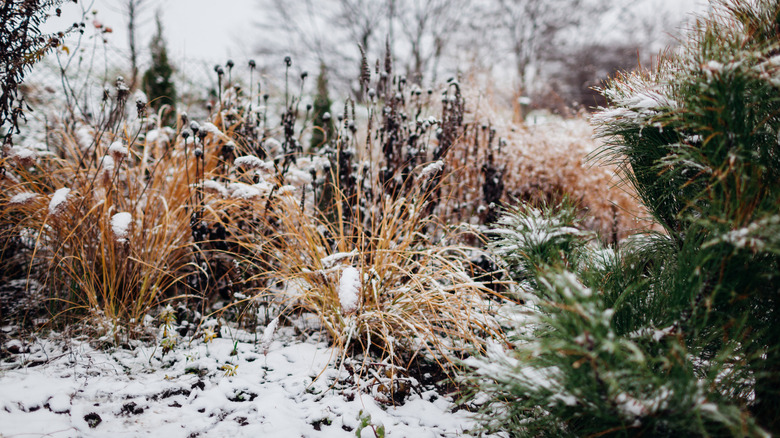
The "dead of winter" sounds like an ominous season. After the hustle, bustle, lights, and tinsel of the holidays, gardeners find themselves with a long break before the days grow warmer and longer. The dead of winter generally refers to mid-January through mid-February, but specifics can vary a bit depending on where you live. Many of us in the United States have six weeks or more when everything is dormant. Although there are plants to prune in late winter, the dead of winter is often still too early for this task. In northern regions, the ground is frozen, so it's not the right time to plant anything. And, darn it, it's cold! Fear not, my gardening friends — this is actually the perfect time to take care of some vital tasks to get a head start on your best garden yet.
As a Master Gardener with decades of experience honing my year-round gardening routine, I'm sharing several items on my to-do list for January and February. I typically tick a few of these projects off my list when Mother Nature provides warmer days, like measuring and planning new garden beds. Others will get done when she's less cooperative, such as planning upgrades, research, and shopping for everything I need when spring rolls around.
Measuring and planning new garden beds
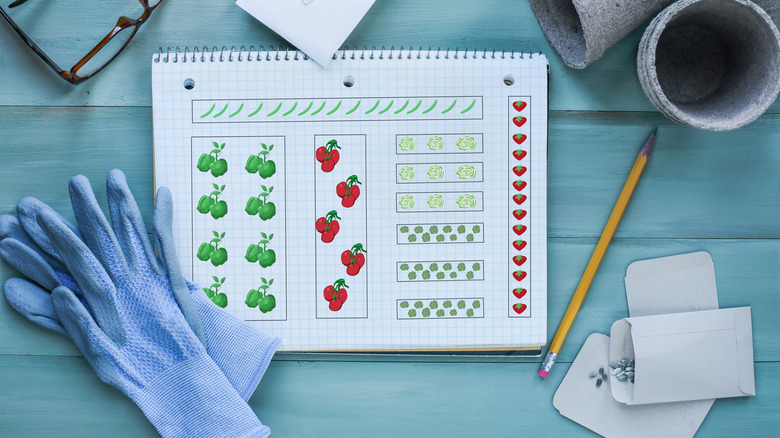
In many regions, even the dead of winter offers a few days when the sun shines down, beckoning us to venture outside for some fresh air and to stretch those muscles. For me, if it's above freezing, I'll bundle up as needed, and head outside for a bit of measuring and planning. I always have several projects I want to work on, and the dead of winter is the perfect time to see my space in its simplest form. There are no blooming annuals to obscure my view, or even tall grass to deal with — just endless potential (or that's what I tell myself). I measure the areas in which I want to install or upgrade garden beds, take stock of which beds I want to expand, and note any perennials that need to be moved because they aren't thriving.
If you are planning new garden beds and you get snow during the dead of winter, this is an excellent time to find out what areas get the least and most sun. You see, snow is actually a secret weapon when planning your spring garden. The exact amount of sunlight each location gets will shift a bit through the seasons, but in general, the areas that melt first are best for full-sun plants. The spots where snow hangs around the longest? That's where you have deep shade. When you know how much sun exposure your potential new beds will get, you can select the best plants for those spots.
Cleaning and prepping garden tools

If you can find a cozy spot in your garage or shed, the dead of winter is the perfect time to clean and maintain your garden tools so they're in tip-top shape when the ground is ready to be worked. Make sure all your blades are sharp, from your hand-held pruning shears to hedge clippers to loppers. No one wants to start spring pruning with dull blades! During this time, check that the handles on all shovels and other long-handled tools are secure and safe to use. This is also a good opportunity to take the time to clean and disinfect your gardening tools to ensure no diseases spread from one season to the next.
Now, you may need to ask yourself a question and answer honestly: How long has it been since you thoroughly cleaned out your garden tote or basket? I certainly never clean mine out during the growing season, so by the dead of winter, it's holding trash, a fair amount of loose soil, and old seed packets, among other junk. Take everything out, then wash it or wipe it down. Put back what belongs (after that stuff has been cleaned, too!), and you'll start the season fresh and organized.
Taking inventory and making a shopping list for tools and seeds

While you're working on getting your tools ready for spring planting and maintenance, you should also look for items that need to be replaced. The dead of winter is a great time to do your major garden shopping for a few reasons, including after Christmas sales and fresh stock in garden centers. If any of your tools are past their prime, add them to your shopping list. And, if there's a tool you have been wanting to try, be sure to add that, too. If you don't already have a multi-purpose garden knife, like this one made by Fiskars, I highly recommend getting one — you'll wonder how you ever lived without it!
Among my favorite winter tasks is researching and buying seeds for the upcoming growing seasons. I pour over seed catalogs like they're novels and make a list of new and old varieties of vegetables, herbs, and flowers I want to grow. I usually only try a few new species a year so I don't end up with a garden full of disappointment, but that doesn't stop me from reading about everything available. Now, this is a task you can do during the coldest, snowiest days, curled up with a warm cup of tea and a cozy blanket.
Planning upgrades and making a budget

Once my initial garden planning is complete and all my basic shopping lists are made, I like to think about what upgrades I can make to my garden to make it more efficient. This includes everything from adding trellises to make the most of my garden space to installing drip irrigation or rain barrels to save on water usage. At this point, I weigh the pros and cons of cost versus savings. Of course, there are also considerations beyond money, like making more environmentally friendly upgrades. In many cases, upgrades for water efficiency can be budget-friendly in the short-term while still saving money and reducing useage for years to come.
While we are on the topic of shopping for this year's garden, we should probably also discuss the least fun task to do in the dead of winter: creating a budget. It's easy to spend thousands on shiny new tools, beds, and accessories, but you don't want to look at your spring garden (or your credit card statement) with buyer's remorse. Once you know what you need and want, set your budget and stick to it. This may mean you'll need to put off a project or two until next year, but that's okay. The dead of winter will come around again next January.