

12 Affordable Aluminum Foil Hacks That Are Useful In The Winter
We may receive a commission on purchases made from links.
Depending on where you live in the U.S., winter weather can be a brutally cold and unforgiving. We can snuggle under blankets with our loved ones or sip on hot cocoa and soup to fend off the bitter chill. But when it comes to insulating your home against the cold, things get a little more challenging. Thankfully, there's a simple kitchen item that may help reduce your utility bills, prevent damage, and generally make your home feel cozier through the holiday season. Aluminum foil is the perfect solution for all sorts of cold-related issues. Use it to plug drafty windows, start growing spring flowers from seed in winter, keep matches dry for that crackling fire, warm your bed and your feet, reflect sunlight into the garden, and protect pipes from ice.
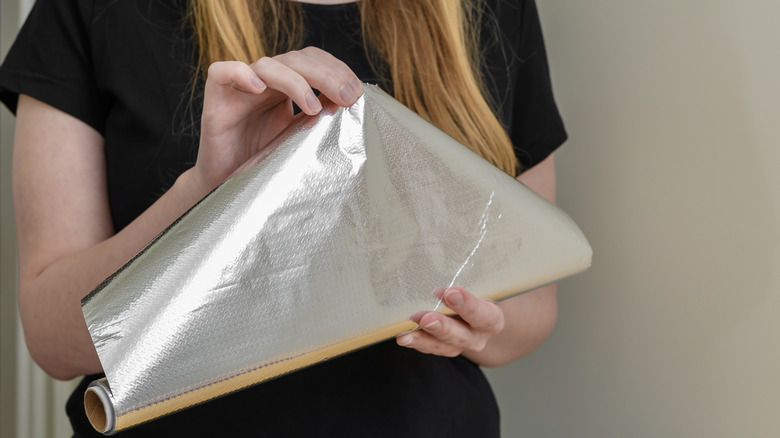
The uses don't stop there, though. From thermal protection to a winter garden staple, this shiny kitchen staple is a surprisingly useful winter maintenance tool around the house and even outdoors. There are two different sides of aluminum foil, and which you use when depends on what you're trying to fix or insulate. Both sides of the foil — dull and shiny — can trap and reflect heat. This happens mostly through radiation, but conduction and convection play a part, too. The shiny side may do the job negligibly better. How you place the different sides on an object or surface may influence, at least a little, how effectively heat is dispersed.
Block drafts coming through old windows
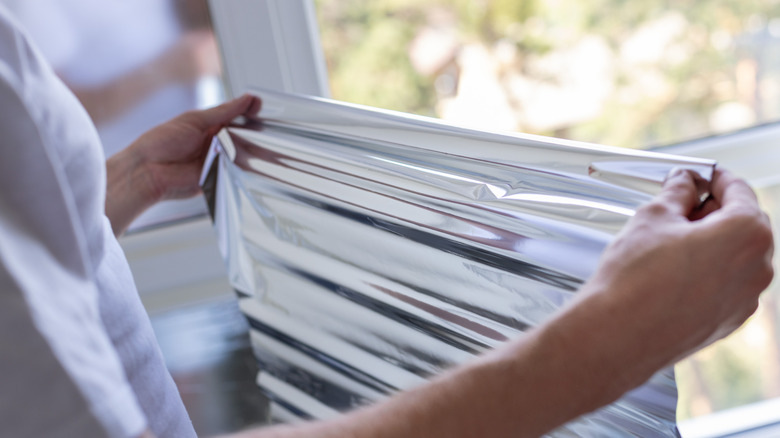
If you have old windows with gaps, you can use heavy-duty aluminum foil to block drafts and keep the warm air in during cold winters. Cover the window pane and frame with aluminum foil. Make sure the shiny side is facing the indoors; the dull side should be against the glass. The foil will stop cold air infiltrating your home and reflect warm air back into the house, creating a noticeable difference in comfort. It may also improve energy efficiency, which could reduce your energy bill or stress on your HVAC system.
Build a seed insulator for starting plants indoors
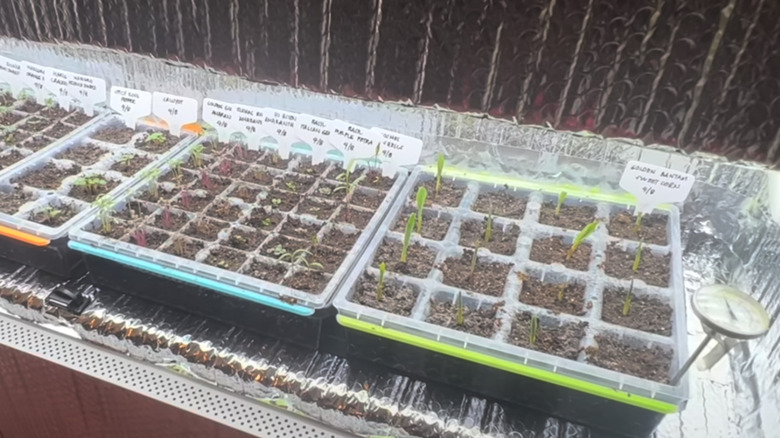
It turns out that aluminum foil is the secret weapon you need when starting seeds. You can use it to build a high-quality seed starter setup with the perfect light, temperature, and humidity to germinate your spring plant seeds indoors in winter. Line a large box or container with aluminum foil — the shiny, reflective side should face inwards. Install lights at the appropriate height for your plants, which is typically determined by consulting the manufacturer's instructions. Add a fan for airflow to avoid mold growth and gauges for monitoring temperature and humidity.
Create a heat shield for your external walls
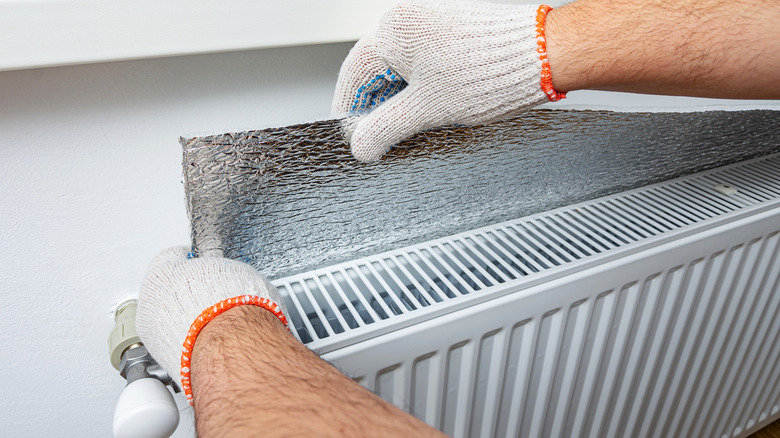
When you line external walls with aluminum foil, two things happen. First, any cold air seeping inside from the outdoors is dispersed or deflected. Second, any heat from inside the room is reflected back into the room. If you have radiators in your home, you can take particular advantage of this trick. Place sheets of aluminum foil against the wall behind the radiator, with the shiny side facing inwards. The heat from the radiator will be amplified and the external cold blocked, helping the appliance work more efficiently.
DIY a sunbox to give plants more light
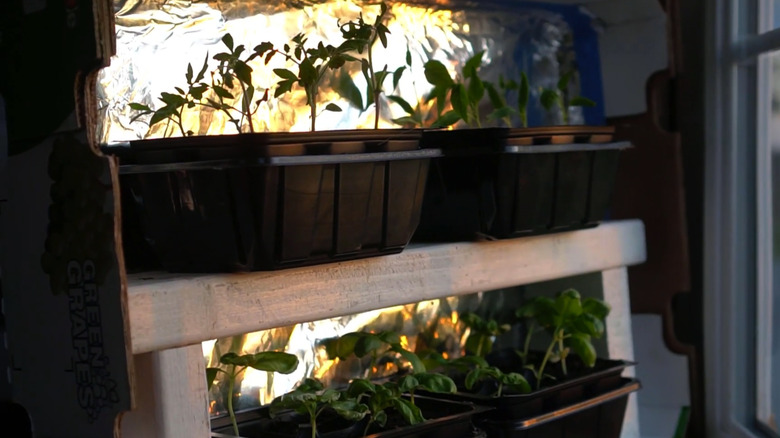
As the nights grow longer and the days grow shorter in winter, sun-loving houseplants start to suffer. Instead of investing in expensive grow lights, try this unexpected use for aluminum foil that'll double the sun your indoor plants receive. Building a DIY aluminum foil sunbox for your indoor plants is easier than you think. Line a box with aluminum foil, shiny side facing out, and place it behind your plants. The foil will reflect the sunlight back to the plants, so they'll have all the sunlight they need, even on short days.
Keep matches dry so you're prepared for anything
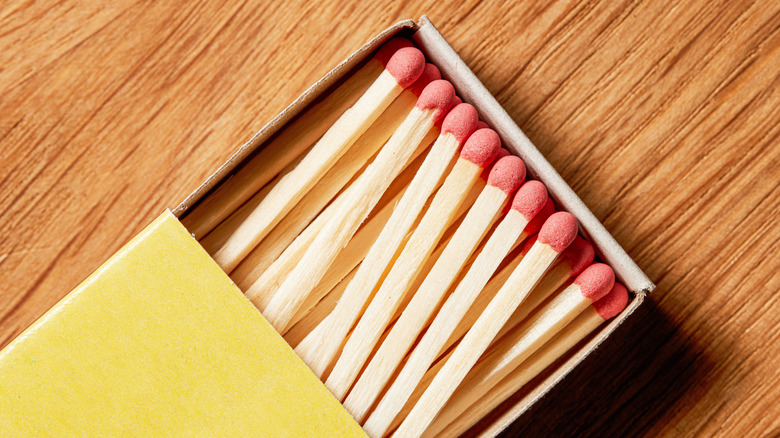
If your power goes out during the cold months and you're ill prepared, you could be in for a world of trouble. You need to have reliable emergency supplies on hand. Flashlights are great, but having matches could make all the difference in a winter crisis. Wrap aluminum foil around the matchboxes in your emergency kit. It will ensure the matches stay dry and ready to use anytime you need them. Plus, this is a nifty trick for those who go camping in winter, especially in places that see lots of snow.
Keep your bed warm at night
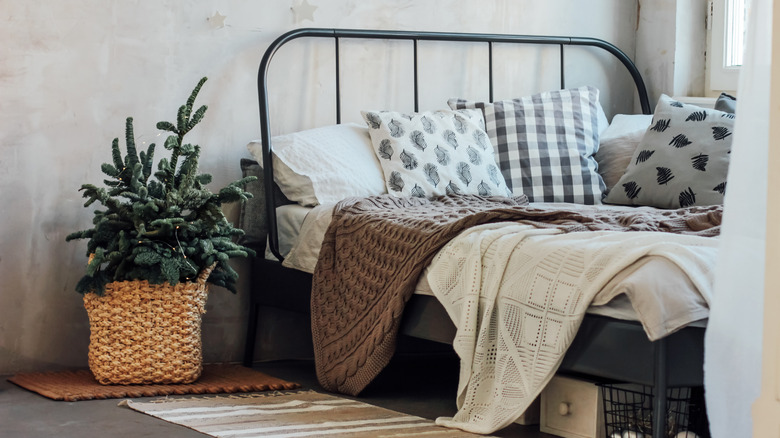
If your bed abuts an external wall, you've probably experienced the shock of brushing against the cold surface in winter. Just as you would use aluminum foil to reflect heat from a radiator, you can line the external walls next to your bed with the shiny kitchen material. Face the shiny side toward your bed to reflect your body heat back into the room — and you — while you're sleeping. It may also help keep the cold air outside where it belongs. Trust us when we say you're in for a comfortable night's sleep.
Make DIY foot warmers
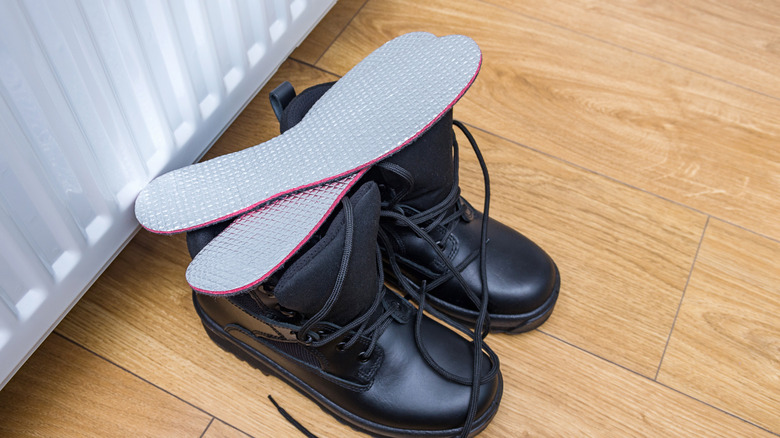
Did you know that you lose the most heat through your feet and your hands? If you are trying to stay warm indoors or out, bundling up your feet to protect them against the cold is one of the best things. Socks work, sure, but the real secret lies in aluminum foil. Trace around your feet on cardboard or sturdy foam and cut out the shapes. Wrap the insoles with aluminum foil — the shiny side should face upwards. Insert the insoles into your shoes. Now you have instant, built-in foot warmers that really work.
Mix aluminum foil into your mulch
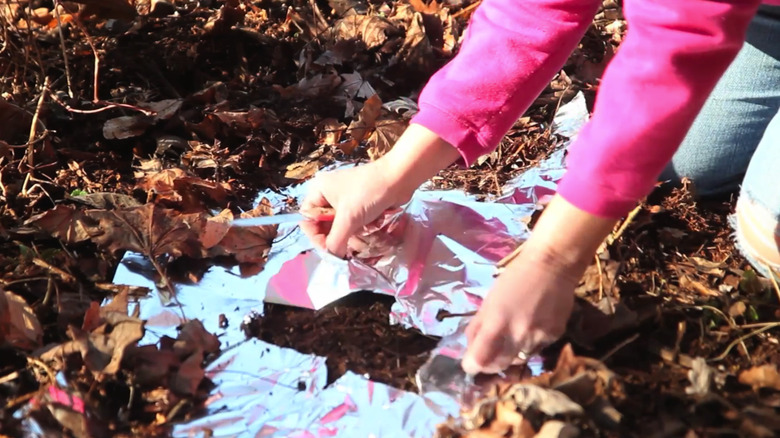
Here's a gardening hack that could save your plants this winter. It turns out aluminum foil is the ultimate addition to your mulch, and there are several reasons why. First, it works as pest control, deterring aphids and other hungry insects from setting up residence or laying eggs on your plants. This is mostly a bonus for gardeners in areas of the U.S. that stay relatively warm through winter. Second, it reflects what little sunlight there is in winter back up to your plants, aiding photosynthesis and improving plant health.
Pack aluminum foil into your survival bag
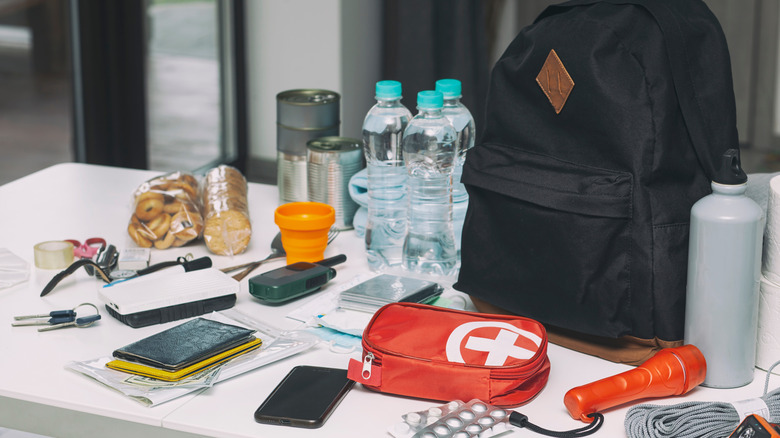
The U.S. Department of Homeland Security recommends keeping a complete survival kit at home and a smaller survival kit in your car. They should contain basic items needed to survive a natural disaster — think winter ice storms — or a cold weather emergency, like a widespread power outage, for a few days. Aluminum foil is an essential addition to a winter emergency kit. It's a compact and multi-functional survival tool; you can use it as a cooking surface, a dry wrap, and to keep you warm in all the ways we've outlined here.
Protect your door locks from freezing temperatures
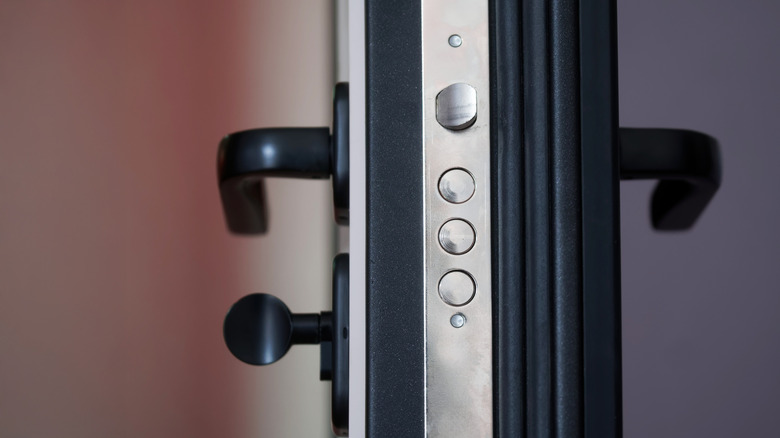
If you live in a cold climate, you've probably struggled to pry open a frozen car door in sub-zero temperatures at least once. Did you know the same thing can happen to the latches on your doors at home? Water seeps into the lock mechanism. As the metal cools and the water freezes, the lock sticks in place, making it impossible to escape — or get into — your house. Wrap your locks in aluminum foil to prevent moisture from building up on the tumbler mechanism. The kitchen staple comes to the rescue once again!
Rescue your tree trunks from frost
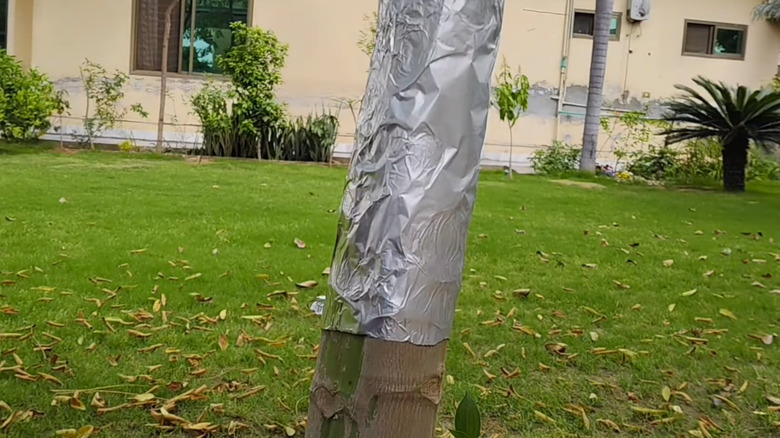
Here's what it means if you see aluminum foil wrapped around a lemon tree — or any tree, really. If you're an avid gardener, you've probably wrapped tree trunks in burlap for cold protection. You can do the same with aluminum foil. In the winter, the foil traps heat inside the tree and deflects the cold air. (As an aside, it does the opposite in summer.) Wrap the tree trunk loosely in foil to retain airflow and reduce the risk of damage. Only cover the trunk of the tree; don't cover leaves, branches, or roots.
Save your pipes from freezing
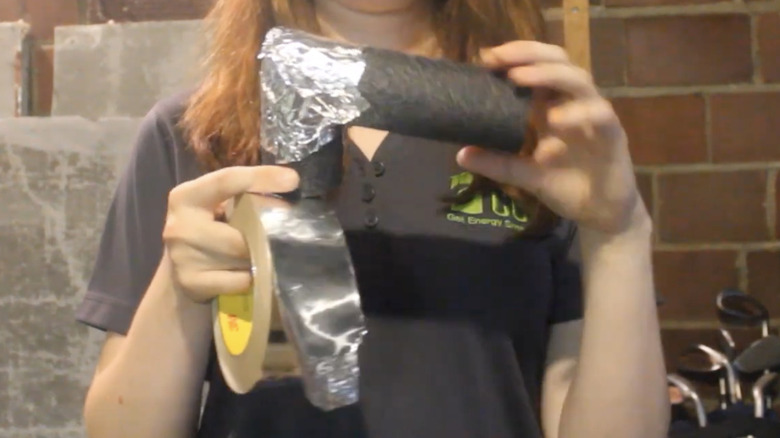
Ask any homeowner which cold season problem is the most worrisome, and they'll probably say their pipes freezing solid. It turns out that aluminum foil can help prevent frozen pipes during winter. To prevent this potentially expensive headache from happening to your house, start by wrapping the pipes in an insulating material, like Duck Brand Foam Pipe Covers. Then wrap the insulation in the foil. The first layer of foam reduces the risk of freezing. The aluminum foil reflects even more cold away from the pipe while also repelling moisture.