

11 Characteristics Of A Home That Can Stand The Test Of Time
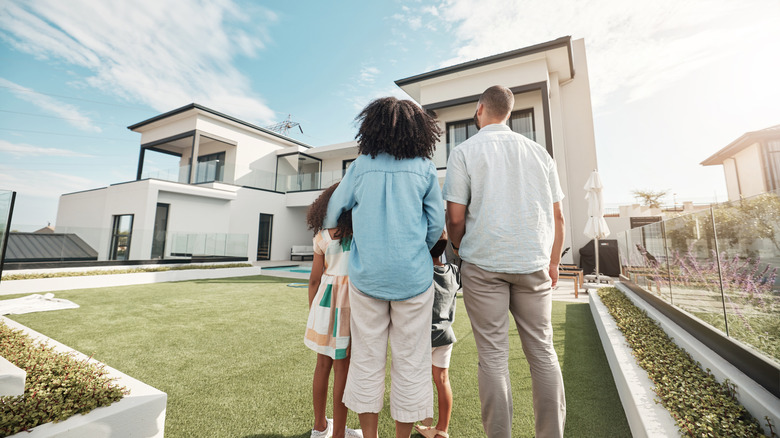
Trends come and go, but there are certain homes that feel relevant and comfortable decade after decade, never feeling outdated. Instead, they offer a sense of ease and familiarity, shaped by thoughtful design choices that prioritize longevity. While colors and furnishings continue to evolve, there is more at play than decor alone when it comes to avoiding design choices that make a modern home feel outdated. The bones of these homes remain strong, welcoming their owners with the same warmth as each year passes. They support changing lifestyles — whether that means growing families, transitioning to work-from-home, or even aging-in-place — without requiring constant reinvention.
Homes that are built to last a lifetime (and beyond) share a set of underlying principles rather than a fixed aesthetic. They rely on great flow, quality materials, durable craftsmanship, and decorative restraint, creating environments that feel balanced and intentional. These spaces are designed to be lived in, not just to be photographed and shared online, and they mature alongside their occupants. In this article, we explore the defining characteristics that allow homes to remain functional and relevant across decades. From architectural integrity to material choices, these elements work together to create homes that feel worth investing in.
Thoughtful proportions over trendy, open-plan layouts
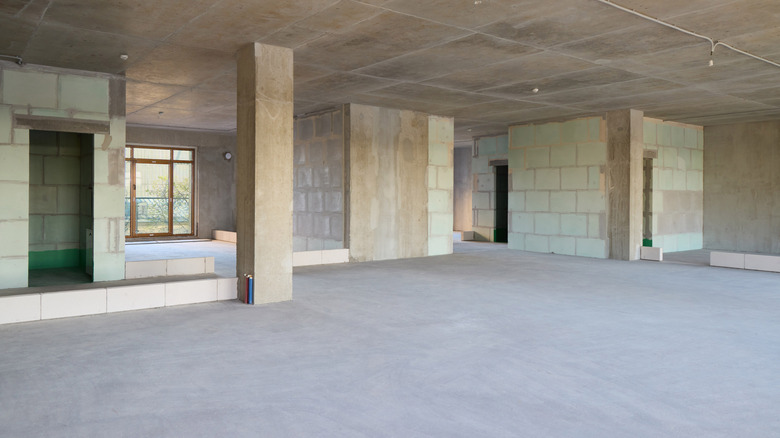
Timeless homes prioritize balanced room sizes and clear spatial definition rather than chasing extreme open-plan layouts. While open concepts gained popularity around the mid-20th century for their airy feel, many homeowners are now discovering their drawbacks, which include things like noise travel and lack of privacy. It can also affect you psychologically, as the visual clutter from an open floor plan can lead to mental fatigue. Well-proportioned rooms offer a sense of comfort and order, allowing each space to serve a clear purpose. Rather than one oversized, undefined living area, the most enduring layouts strike a balance by keeping sightlines open while using subtle separations to define function. Defined areas also support daily rhythms, creating boundaries between work, rest, and social life that are increasingly important in modern living.
Homes designed with thoughtful proportions are easier to decorate and adapt as needs change. Instead of a living area that functions as one large, undefined box, timeless layouts strike a balance by keeping spaces visually connected while still giving each area a sense of purpose. A dining room that can double as a study, or a living room that feels intimate rather than cavernous, offers long-term flexibility without sacrificing openness. Design approaches such as wider doorways, partial walls, built-ins, or subtle changes in ceiling height help maintain flow while introducing a comfortable level of separation. Balanced layouts also improve sound control and temperature regulation, enhancing day-to-day comfort. By embracing this middle ground between closed-off rooms and fully open plans, homes feel modern and easier to live in over time.
Natural materials that age gracefully
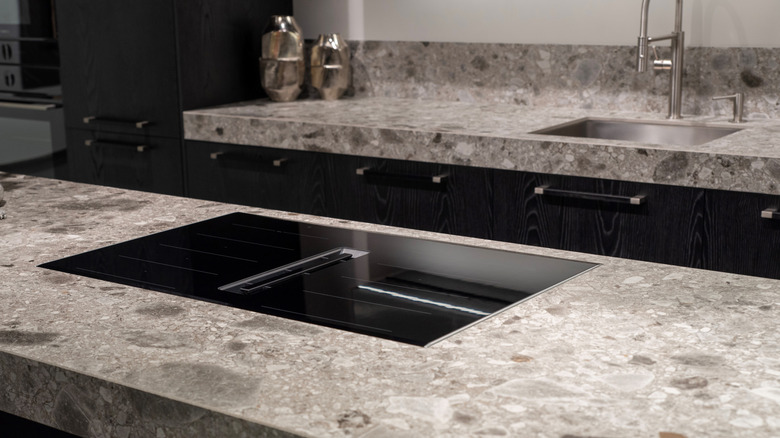
Natural materials play a defining role in homes that endure. Solid wood, stone, brick, and metal don't just withstand time — they evolve with it. Unlike synthetic finishes that chip, peel, or fade unevenly in the sun, these materials develop patina and character, telling the story of years well-lived. Small imperfections become part of their charm, adding warmth and depth that can't be replicated by mass-produced alternatives. In fact, decor with patina can be considered more valuable by some decorators.
Because these materials come from nature rather than a specific moment in manufacturing, they tend to feel relevant across decades instead of being tied to a particular design era, like Formica countertops or fiberglass chairs. This ability to age gracefully is what gives timeless homes their layered, lived-in appeal. Rather than looking worn or neglected, these surfaces feel authentic, reinforcing a sense of permanence that encourages homeowners to preserve and care for their spaces instead of replacing them.
An emphasis on craftsmanship
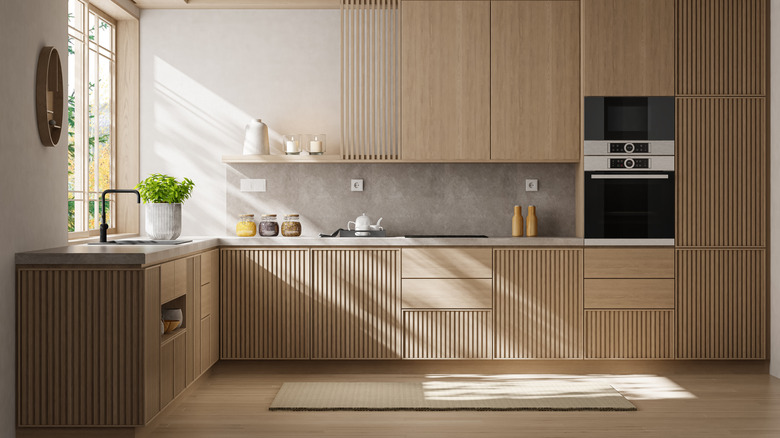
Homes built to last place craftsmanship above convenience. Custom cabinetry and thoughtful, well-executed built-ins, trims, and accents signal a commitment to quality rather than speed. These elements are designed to fit the home precisely, improving both function and aesthetics while maximizing usable space. When details are tailored to a home's layout and proportions, they feel intentional rather than added on, creating a cohesive environment. Unlike off-the-shelf solutions (like peel-and-stick moldings or screw-on chair rails) that may wear quickly or feel temporary, crafted details create a sense of permanence and care that becomes more valuable over time. Handcrafted wood and stonework, like custom fireplaces and cabinets, also tend to age better, as they're designed to blend into the architecture and thus retain their intentionality, rather than becoming dated, over time.
Skilled workmanship plays a critical role in reducing long-term maintenance and repair costs. Durable material and proper installation prevent many of the issues that arise from unskilled and DIY construction — improper alignment, incorrect materials, or poor fastening. While investing in craftsmanship may require a higher upfront cost, it is worth investing in, as it can also increase your home's real estate value. Well-built homes are easier to maintain and adapt, requiring fewer interventions as years pass. In a culture driven by quick fixes and fast turnarounds, craftsmanship remains one of the clearest markers of a home designed to endure, offering lasting quality that continues to reward homeowners long after trends fade.
Well-planned utalitarian spaces that support daily life
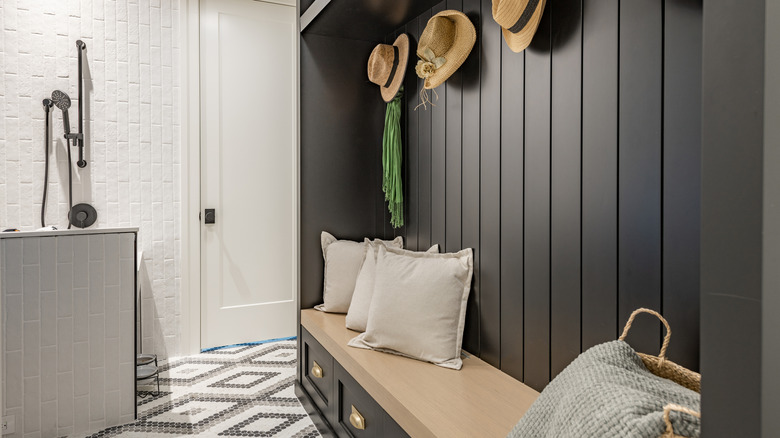
Homes that truly stand the test of time don't just prioritize beauty; they also make room for the practical spaces that support everyday life. Devoting adequate square footage to hardworking, highly functional areas such as laundry rooms, garages, pantries, and storage zones can make a significant difference in how livable a home feels over the years. These spaces may not photograph as dramatically as a sprawling primary bathroom or oversized closet, but they quietly support daily routines and long-term comfort. When thoughtfully designed areas reduce clutter and streamline household tasks, they can improve the livability of the spaces meant for relaxing, like living areas and bedrooms.
While a large, spa-like bathroom can certainly feel luxurious, sacrificing functional zones to achieve it often leads to regret down the line. As households grow, the absence of practical spaces becomes increasingly noticeable. A missing laundry room, limited pantry storage, or lack of a proper mudroom can quickly turn into daily frustrations, prompting homeowners to consider costly and disruptive renovations just to add them. Many people eventually find themselves researching the expense of adding these features later, when incorporating them from the start would have been far simpler. Homes designed with well-balanced utility are better equipped to adapt to real life, making them easier to live in long-term.
Architecture that guides design decisions
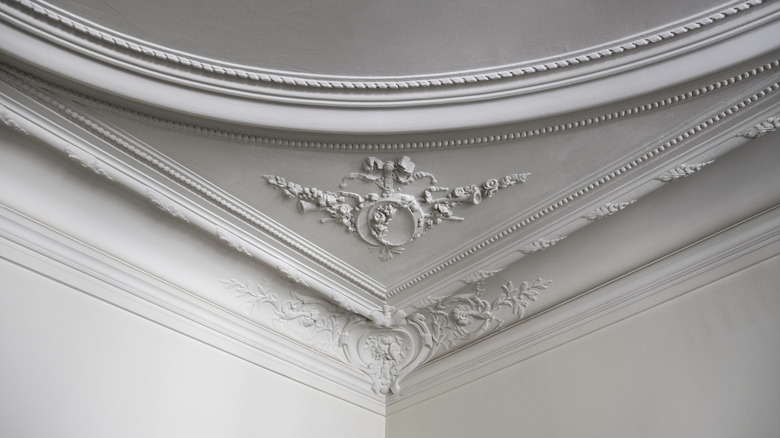
Are you moving into an older home with funky features like built-in beams or ornate plastering? Well, keep in mind that homes age best when their original architecture is respected and allowed to shine. Preserving structural elements such as moldings, beams, arches, and original layouts maintains the character that makes a home distinctive. These details provide depth and authenticity that can't be replicated through surface-level styling or trend-driven updates. They reflect the craftsmanship and intent of the original design, grounding the home in a sense of place and history. When contemporary trends are layered onto an existing structure without regard for its original language, the result can feel visually fragmented over time. Painted-over plaster can read tacky, as can covered-up beams (which also bring down ceiling height and make a space less livable). Rather than masking or removing features such as hardwood floors or original moldings, timeless design that flows with it highlights them as anchors of identity, allowing newer elements to complement rather than compete with the existing structure. This balance creates spaces that feel layered and cohesive over time.
Retaining original architectural elements is also a sustainable and practical choice. Preservation reduces the demand for new materials and limits construction waste, making it an environmentally responsible approach to renovation and maintenance. It often requires fewer resources than full-scale remodeling, while delivering greater long-term value. Additionally, homes that maintain architectural integrity tend to hold or increase their value and market appeal, as buyers are increasingly drawn to the authenticity and craftsmanship of well-preserved details. Letting the architecture lead creates a home that feels grounded. By allowing original structural elements to guide design decisions, the space retains its authenticity while remaining functional for modern living. This approach honors a home's history while ensuring it continues to feel relevant well into the future.
Flooring with lasting appeal
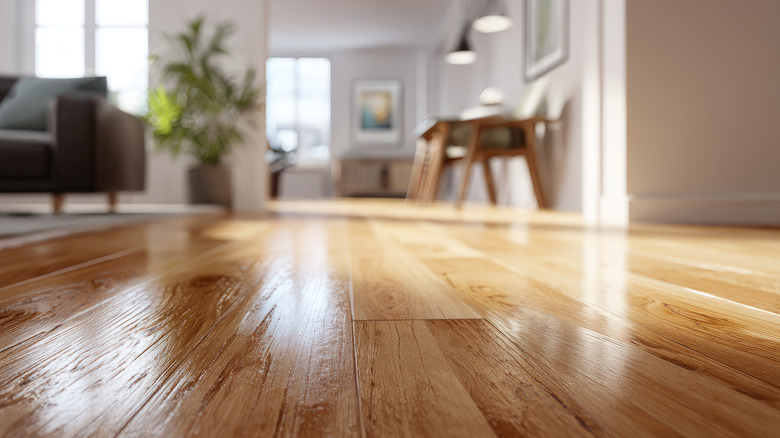
A home built to endure typically starts from the ground up, and few materials rival the longevity of solid hardwood flooring. With proper care, hardwood can last anywhere from 50 to 100 years or more, often outliving the trends that surround it. Unlike synthetic or trend-driven flooring options that require full replacement once worn or outdated, hardwood can be sanded or refinished multiple times. This allows the surface to evolve alongside the home, adapting to new styles while preserving its original integrity. Its natural grain and rustic appeal contribute to a sense of authenticity that manufactured materials struggle to replicate, grounding a space in permanence rather than novelty.
Beyond its longevity, many potential buyers also feel that hardwood floors improve with age, rather than diminishing. Minor dents, scratches, and wear marks become part of a lived-in patina, contributing to your flooring's character rather than signaling damage. Structurally, solid wood floors can withstand decades of daily use, furniture movement, and seasonal changes when properly installed and maintained. In this way, hardwood flooring functions not as a feature that has to be restored over and over, but as a foundational element that can truly last and take on a new identity over time.
Thoughtful use of natural light
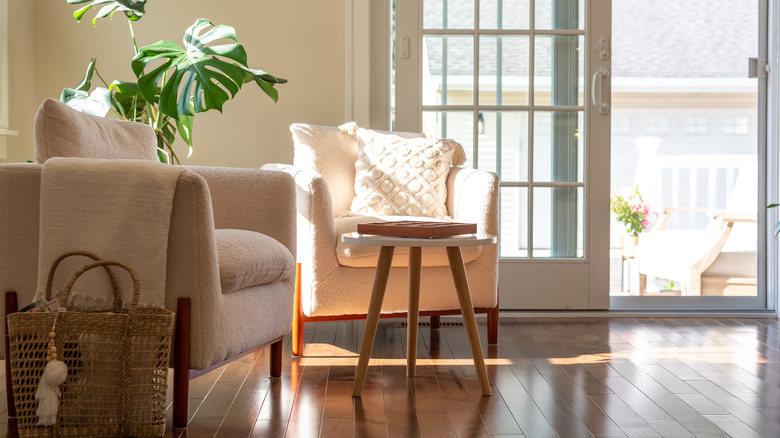
Improving natural light in the home is one of the few design tips that never goes out of style. Homes that feel timeless often rely on daylight as a defining feature, using it to balance paint colors, create airiness, and illuminate workspaces. Thoughtful window placement, balanced proportions, and attention to orientation allow sunlight to move naturally through a space over the course of the day. Importantly, this doesn't mean relying on dramatic, floor-to-ceiling windows. Traditional window styles, such as bay windows or well-placed transoms, can introduce generous amounts of light while remaining true to a home's architectural character. The result is interiors that feel dynamic, balanced, and alive, regardless of the decor or era. Well-lit rooms tend to feel larger and more welcoming, contributing to a sense of comfort that transcends trends.
Beyond visual appeal, natural light plays a practical role in a home's longevity. Adequate daylight and ventilation help regulate moisture, reducing the risk of mold and long-term structural issues. Sunlight also supports energy efficiency by minimizing the need for artificial lighting during daylight hours, which can significantly reduce a home's overall energy use. Homes designed with light in mind are healthier (especially in the cold winter months, when we need sunlight for our mental health), more sustainable, and easier to maintain over time. Exposure to natural light has been shown to support mental well-being, improving mood, focus, and daily rhythms, which makes spaces feel more comfortable and supportive to live in. When natural light is treated as a core architectural element rather than an afterthought, it enhances the long-term livability of a space.
Character built into the structure
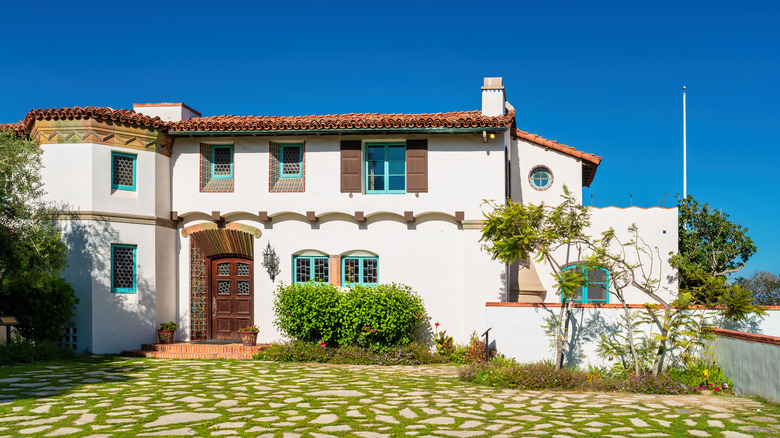
If you're not fortunate enough to inherit a home with special, unique architectural features, imbuing some character into your house can be done tastefully and timelessly. Unique elements such as ceiling moldings, wall paneling, repeating architectural motifs, and thoughtful material choices provide a layer of personality without overembellishing. These features feel intentional and permanent, giving a home a sense of identity that doesn't depend on constantly changing furnishings or accessories. When adding statement architectural accents, you should be careful not to design for a moment, but instead to focus on a style or period and build cohesively around that idea: keyhole-shaped arches in a Moorish-Spanish interior, or exposed timber beams in a New England cape.
By investing in subtle pops of personality through permanent structural elements rather than surface-level style, future homeowners may be less likely to embellish using disposable or temporary decorative accents like furniture, textiles, and fixtures. This reduces waste, renovation costs, and long-term design fatigue. These built-in details create visual interest, allowing spaces to feel special and fun decade after decade. An example of this timeless sense of personality is California's famous Adamson House mansion, designed in the Spanish style, but with extra pops of personality in the form of custom-forged ironwork and hand-carved woodwork designed with Spanish and Moorish motifs. As decor and lifestyles change, unique architectural touches provide a memorable foundation that adapts easily, resulting in homes that feel authentic yet playful.
Restraint in permanent design choices
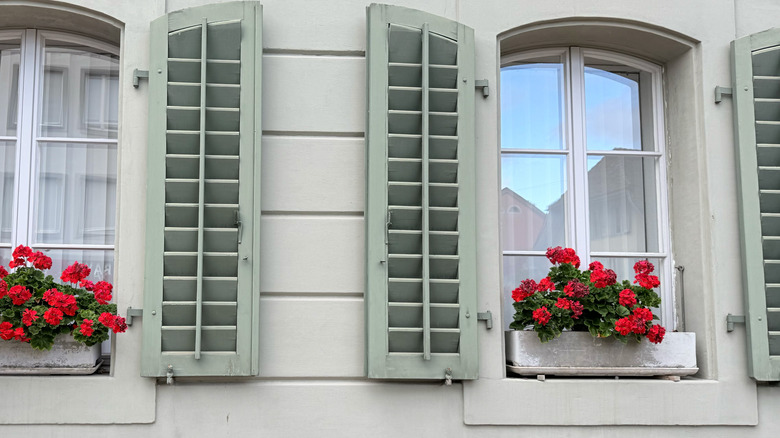
The one mistake it's easy to make when deciding to add a pop of personality to your home is to go overboard. Timeless design, instead, often favors restraint over excess. While bold interiors can feel exciting and expressive, there are also things not to do when applying maximalist decor, as also more likely to date quickly or become visually overwhelming over time if you aren't careful. If too many bright colors are used throughout a home without a clear sense of flow, for example, spaces can quickly feel disconnected. Homes that age well tend to avoid novelty for novelty's sake, instead focusing on thoughtful selection and balance. A restrained approach allows individual elements to breathe, creating spaces that feel calm and considered rather than crowded or chaotic.
Restraint doesn't mean stripping a home of personality; it means choosing intentionally. By limiting design statements and prioritizing quality over quantity, homeowners leave room for evolution rather than replacement. Going for a unified theme, rather than an eccentric blend of accents, will leave you and future homeowners with more decorative options as time passes. So, when installing a new garage door or shutters (features that are difficult and expensive to remove), remember to think about cohesion of style and neutral colors, and to avoid trends.
Homes shaped by memory and meaning
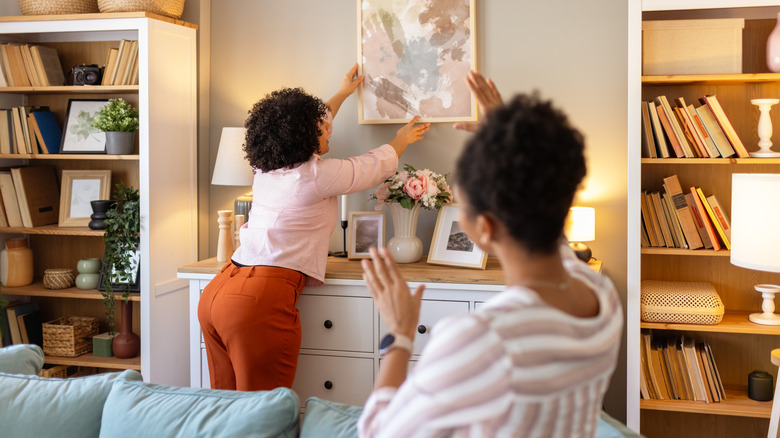
Homes that truly stand the test of time are often defined by emotional connection rather than design alone. Honoring things like shared experiences and personal milestones shape how a space is perceived and valued over the years. When a home reflects the people who live in it — their family history, preferences, and way of life — it becomes more than a physical structure. It transforms into a place of familiarity and comfort, where memories are layered naturally over time. That sense of meaning often leads homeowners to care for and adapt their space over time, rather than feeling the need to replace it altogether.
Emotional connection also supports longevity by shaping how a home is cared for and updated over time. Homeowners who feel attached to their space are more likely to invest in regular upkeep and choices that help the home age well. Rather than chasing trends, they may restore original floors, update key rooms with materials that respect the home's character, or preserve details tied to meaningful moments. Over time, these layers of memory add richness and authenticity that cannot be created through styling alone. As a result, these homes feel lived-in rather than staged. Timeless homes endure because they matter to the people who live in them, becoming more emotionally valuable with each passing year.