

8 Reasons Your Shower's Caulk Is Showing Cracks
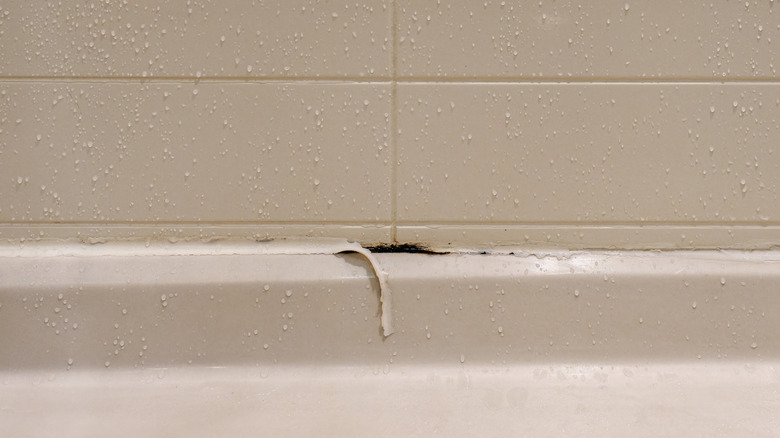
Have you ever gone to get ready for the day, only to find that your shower's caulk is showing cracks? At first glance, this may seem like a cosmetic issue, with ripples and breaks in the caulk appearing to be more of an eyesore than anything else. Cracked caulk can also lead to functional problems, especially if its water-resistant seal is compromised. However, simply adding more caulking on top may not fix the problem, and it can be important to diagnose exactly why the cracks are occurring. Your shower's caulk can crack for various reasons. In some cases, it may be because of old age, as caulk isn't intended to last forever and does need regular maintenance. Cracking can also occur if something went wrong during application or if the shower experiences movement, such as when a home settles.
If you weren't present when your shower's caulk was applied, you may not be able to properly determine the cause of cracking. As a result, you may wish to reach out to a professional to help diagnose the culprit and prevent your shower's caulk from cracking in the future. Since there are so many reasons shower caulk develops cracks, understanding them can help point you toward the right solution.
The application site wasn't properly prepared
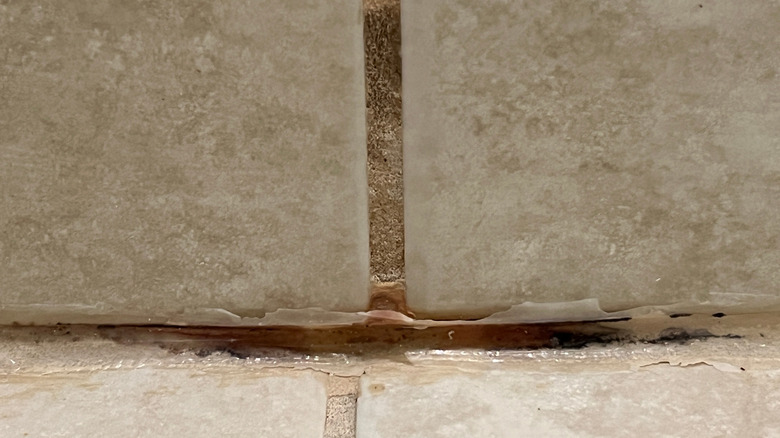
At its core, caulk is an adhesive, which means that the key to a long-lasting application is ensuring that the site is properly prepared beforehand. If your shower's caulk is showing cracks, it may be because preparation steps were skipped or manufacturer instructions were not followed closely. This is especially true if it was applied on top of old caulking that wasn't in the best condition or an unclean surface. Without proper adhesion, even high-quality caulk can fail prematurely.
You have the wrong type of caulk
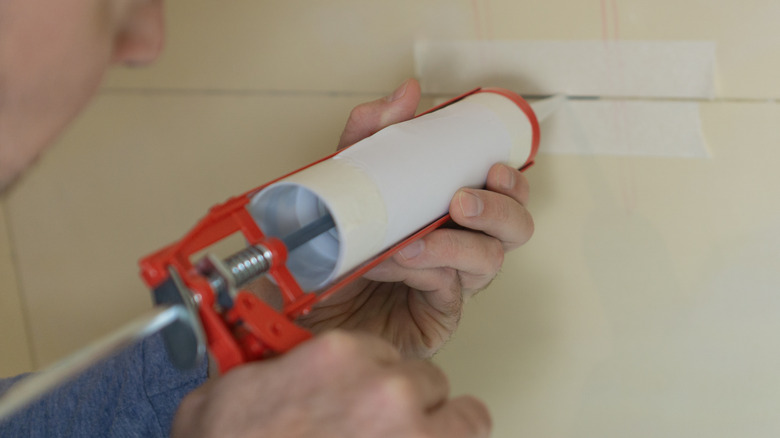
Did you know that there are actually several different types of caulk available? These differ mainly based on their materials, and it's important to choose the right option for your shower if you want to avoid premature cracking. Acrylic and silicone caulk are common in showers due to their water resistance, though silicone often lasts longer. If you accidentally chose a different caulk, that may be the cause of your cracking. To avoid this when DIYing, double-check that you're choosing the perfect caulk for your project.
It was too cold when the caulk was applied
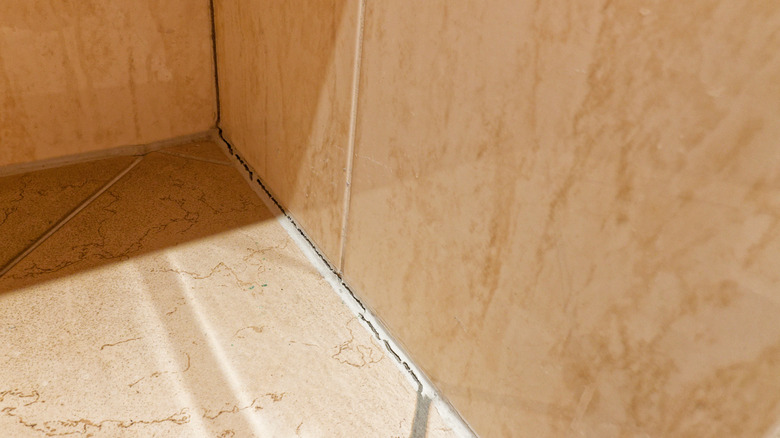
Just like it's important to ensure the application site is properly prepared prior to caulking, it's important to make sure the environment is right. Before using caulk, be sure to read the included instructions — this can help you determine the optimal temperature conditions. If the bathroom or the caulk itself is too cold, especially after being stored in an unheated space, the application may fail. This is a common reason that caulk may crack in the winter.
The gap you're caulking isn't a typical width

The purpose of caulking in your shower is to fill any gaps and create a long-lasting, water-resistant seal. However, not all gaps are the same size, and these differences can impact the success and longevity of your caulk job. If the gap you're filling is on the wider side, you may choose to opt for a product designed for wider gaps. You can also vary your application process and adjust the bead size as needed, which helps when working with gaps that are narrower or wider than average.
The area wasn't cleaned beforehand
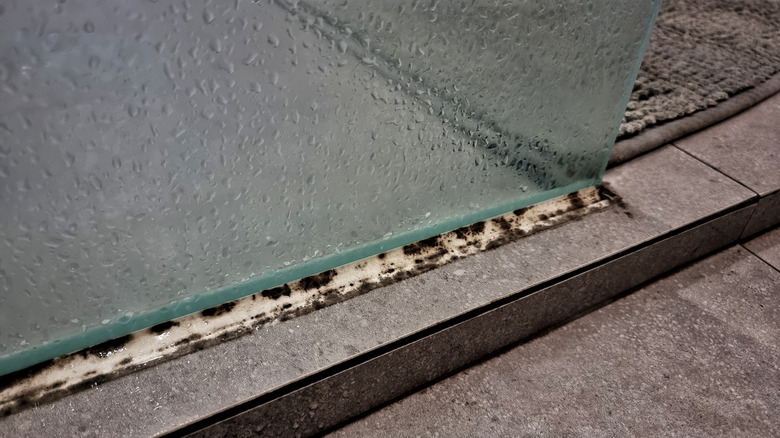
Preparation isn't just focused on existing caulk or creating even surfaces. Instead, you also want to ensure that the area you're caulking is clean before you ever get started. This is especially true in the shower, where residue left behind by soap or any signs of mildew may lead to weaker, cracking caulk in the future. For the best results, use a suitable cleaner along with a scrubbing pad to remove stubborn grime. This can help you to avoid the common bathroom caulking mistake of leaving mold or soap scum behind.
Your home is settling
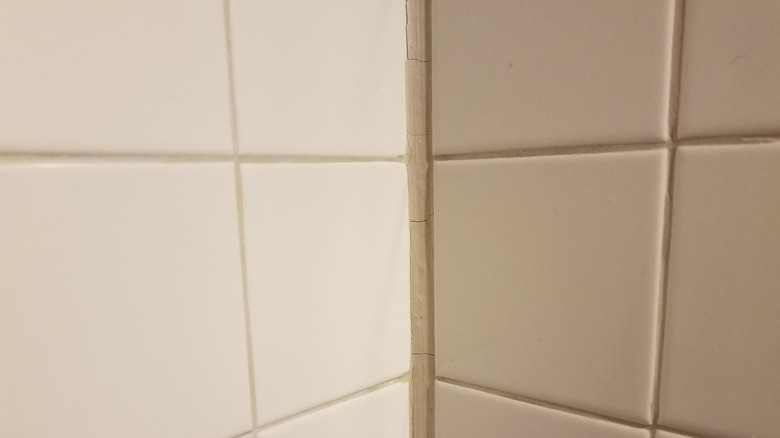
While it may come as a surprise, homes are not entirely stationary. Instead, your house can react to soil and weather conditions, which can lead to settling. In many cases, this is typical and nothing to worry about. However, over time, this settling may cause cracks or gaps to develop in your shower's caulk. Depending on severity and whether the waterproofing has been compromised, this may be an indicator that it's time to replace your caulk or simply a cosmetic concern to keep in mind.
You caulked over cracked caulk
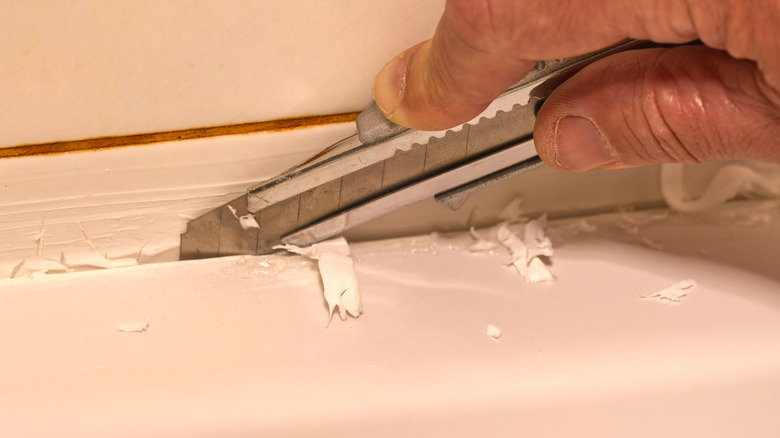
When it comes time to replace old caulk, it is possible to simply caulk over the existing product. This approach is not recommended, as it can lead to additional problems once the original caulk begins to deteriorate. If you're noticing cracks in your caulking and you're sure that the current layer was applied without removing the original caulk, that could be the culprit behind the cracks. In this case, it's often best to remove all the affected caulking and start fresh with a proper application on a clear surface.
It's time to replace your shower caulk
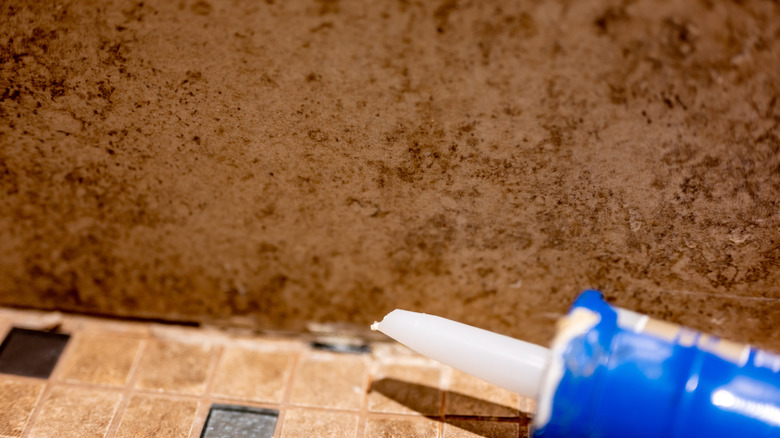
Sometimes, the cracks showing in your shower's caulk may simply be the result of age. Caulking doesn't last forever, and it often needs maintenance and replacement to keep your shower in good shape. In some cases, if your shower's caulk is showing cracks, it could just be a sign that it's reached the end of its lifespan rather than a serious problem. If you're concerned about diagnosing a possible issue aside from age alone, it may be helpful to reach out to a professional.