

Glass Shower Cleaning Hacks That Are Total Waste Of Time
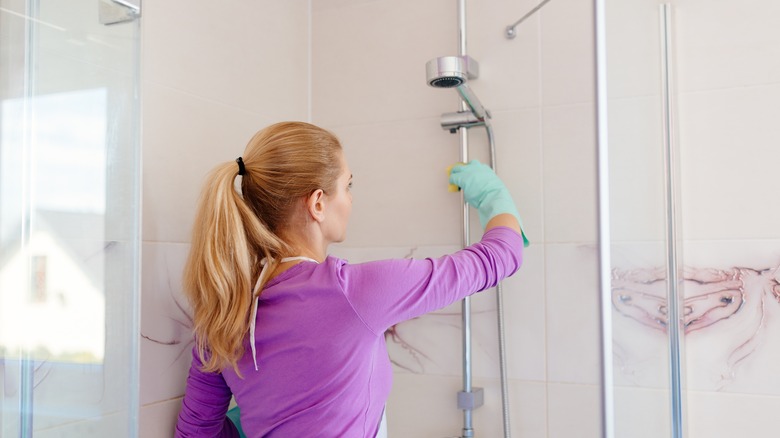
We may receive a commission on purchases made from links.
You've determined a shower door is best for your bathroom. Aside from protecting your floors from water damage, glass doors look sleek and clean. But that's only true if you wash them regularly. If you don't, white will streak the glass where water dries, and mildew will grow around the edges. Much of the scum on your shower door comes from minerals like calcium and magnesium in your tap water — it's particularly a problem in areas of the U.S. with hard water. The other culprit is soap. Any cleanser, including shampoo and conditioner, can stick to the shower door and be challenging to remove. Despite online claims, hacks like using abrasive scrubbers, spraying glass cleaner, washing it with cold water, and trying to kill mildew with regular cleaners are problematic. They aren't as effective as they're said to be, cause more problems than they solve, or don't work at all.
If you don't clean your shower glass correctly, mildew, minerals, and soap scum will continue to build up. Eventually, they can become extremely challenging to remove. Many traditional methods simply won't help, whether you decide to use artificial or natural cleaners. Some options are effective while others are, frankly, useless. If you choose the wrong cleaning method for mineral deposits or soap residue, the stakes are pretty low; these issues are mainly an aesthetic annoyance. When it comes to mildew, however, it's important to knock it out, especially if you have children. The fungal spores can cause allergies and respiratory issues in some people.
Scrubbing with abrasive tools
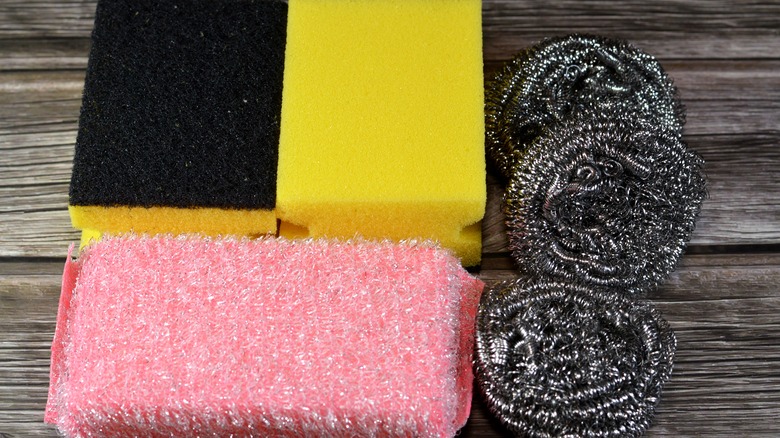
It can be tempting to grab a plastic scouring pad or a wad of steel wool and go to work on that dirty shower glass. However, these abrasive tools can scratch a shower door, which can cost hundreds, if not thousands, of dollars to replace. Avoid using pot scrubbies or scouring pads to remove stuck-on soap scum or tough water stains. A microfiber cloth, sponge, or even an old rag works just fine if you apply a little pressure. As long as you use the right cleaning solution, the texture of the cloth doesn't matter.
Using store-bought glass cleaner
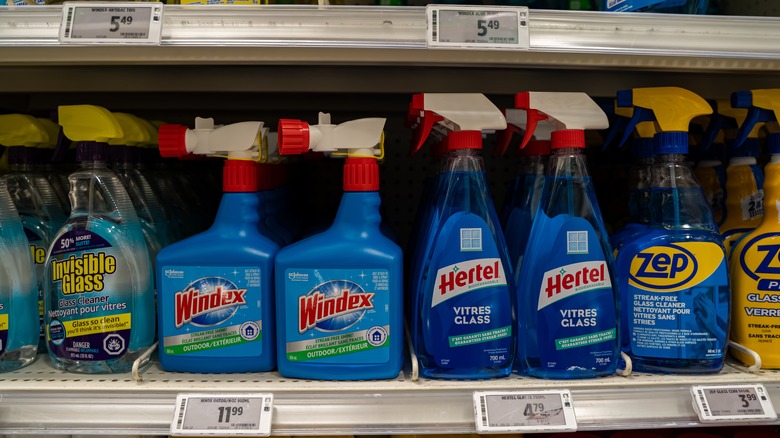
You'd expect store-bought glass cleaner to eat through anything, but it's actually a cleaning ingredient you should stop using on glass shower doors. Cleaners like Windex work best on dirt and dust, and most of that goes down the drain when you take a shower. You need something more acidic to break down those streaks. Try using lemon juice or vinegar mixed with baking soda. This natural cleaning solution will break down alkaline mineral deposits. If you're determined to use a common glass cleaner, look for one with a low pH.
Only using soap and water
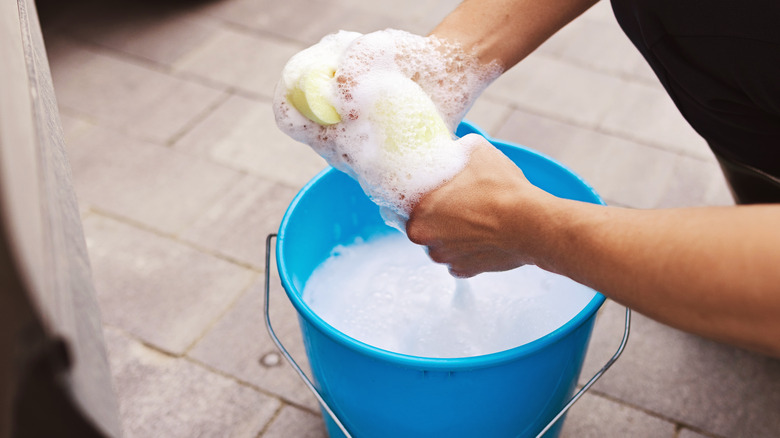
Soap and water will not effectively clean your glass shower. When soap comes into contact with magnesium, it thickens and forms a scum. You probably already have soap scum on your glass; there's no need to add more. Instead of using soap and water, dip a mildly abrasive dryer sheet into a baking soda and vinegar solution and get scrubbing. Rinse the glass immediately after you finish and admire the shine. You can also try using Bar Keepers Friend More Spray + Foam, which contains soap scum-removing oleic and citric acids.
Trying to kill mildew with glass cleaner
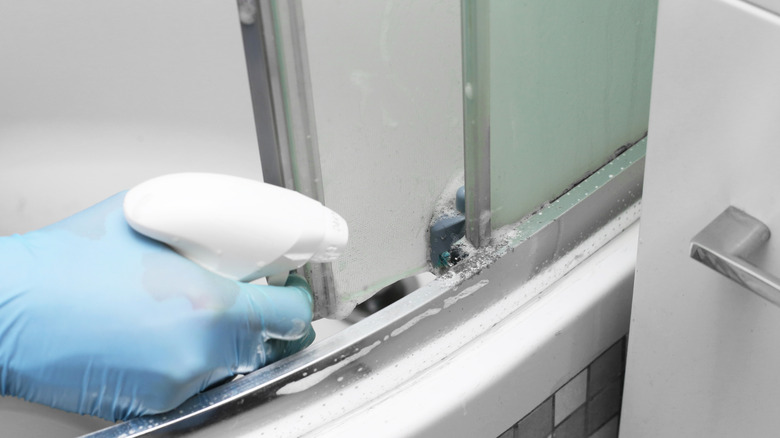
Mildew is a living organism that spreads through spores. Unfortunately, most supermarket glass cleaners do not kill mildew — at least not completely. However, your pantry or laundry likely contains products that can. Spray vinegar onto any dark spots, which often form where the glass panels connect to the sealed frame. Wait a few minutes before wiping it away. Bleach works, too. Mix 1 part bleach with 3 parts water and soak the infected area. The bathroom etiquette rule that helps prevent mildew? Running your exhaust fan whenever you get in the shower.
Not giving the cleaner enough time to break down scum
No matter what cleaner you choose, give it enough time to soak into whatever glass shower stain you're dealing with. Let's take mildew as an example. Both vinegar and bleach need time to disrupt the fungus's cellular walls. Wipe away the cleaner too quickly, and some of the microorganisms may survive and grow back. Bleach needs at least 30 minutes to do its job — it emits toxic fumes, so make sure you're ventilating the bathroom when you use it. Let the vinegar sit on the glass for about an hour.
Using cold water to clean soap scum
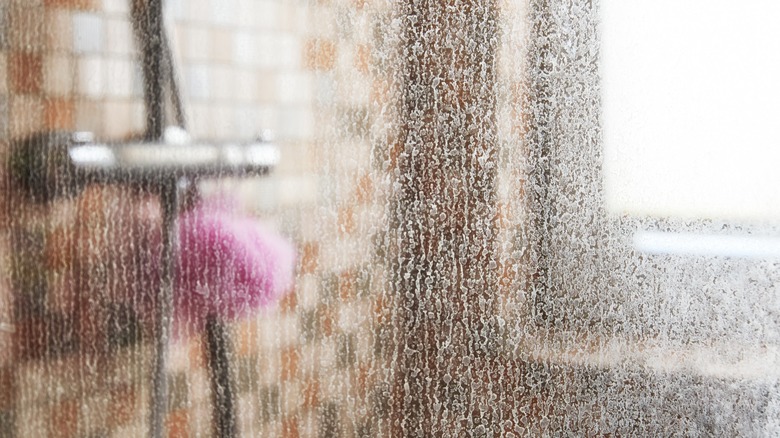
Soap scum is no longer soap; it forms only under specific conditions. Hard water minerals like calcium and magnesium attach to the soap's fatty acids. Once the water evaporates, a chalky film is left behind on your glass shower. It's hard to remove with cold water because it isn't water-soluble. Instead, add a cup of white vinegar at a 1:1 ratio and 1 tablespoon of dish soap. Spray the solution onto your shower door, let it sit for 30 minutes, and rinse it with warm water.
Just using a squeegee with soap and water

It's always wise to use a squeegee on your shower door immediately after you take a shower. This prevents soap scum and mineral deposits from forming in the first place. But a squeegee will not remove mineral deposits and soap scum once they've attached to the glass. You have to use a stronger solvent and scrub the glass.