

Thinking About Painting Your Floor? It's Time To Reconsider This Tried-And-True Alternative
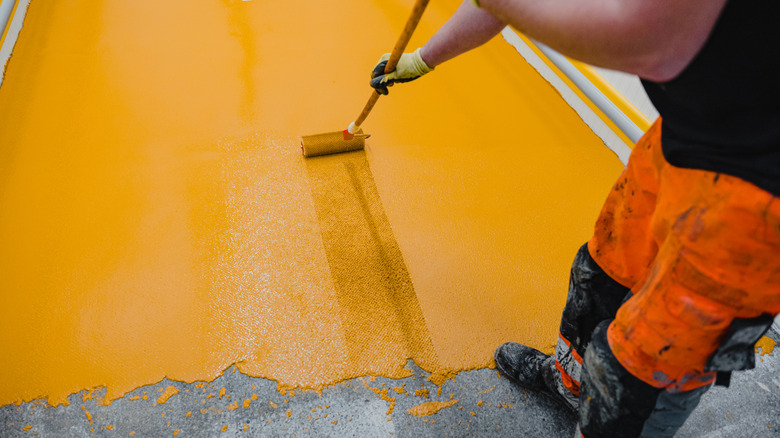
Flooring is an important part of a home. It's something you see and walk across every day. Additionally, though it's not usually a statement piece, the colors and designs you choose can influence the rest of your decor. There are a few popular choices on the market, thanks to their durability, classic look, and beauty, such as hardwood floors and big, colorful carpets. However, there is another trending option that, while gorgeous, might not be the most ideal choice. Painted floors are the flooring trend that you'll start seeing everywhere in 2026, but it may not necessarily be the best way to go for your own house. There are a few problems with this flooring that may lead you to consider other options.
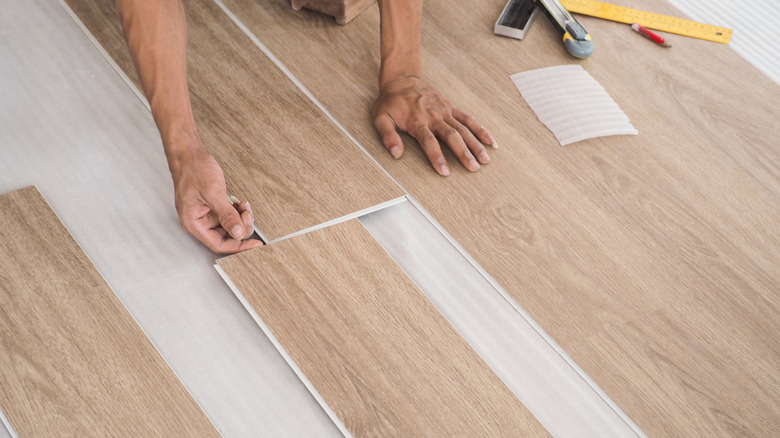
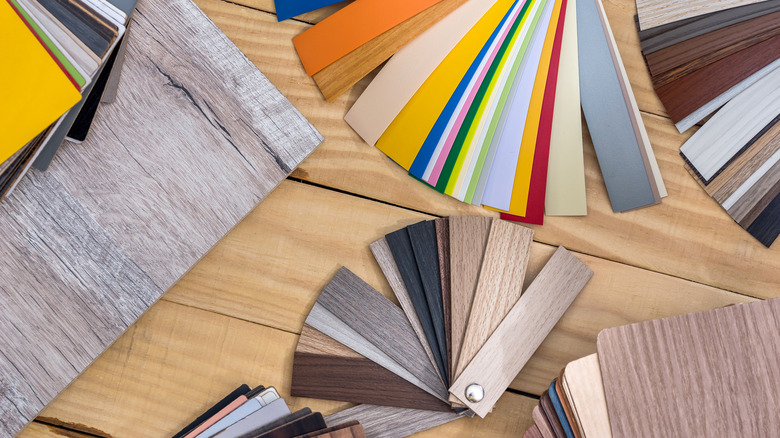
One of the easiest alternatives to painting a floor is to install vinyl flooring. Not only is it simple enough to put on your floor by yourself, but it is cheap as well. This material comes in many different designs and patterns, too, including those that mimic classic options and stand out from the rest of the crowd. When you are considering luxurious flooring, vinyl might not be your first choice. Still, if you want the appearance of something beautiful and classy without emptying your wallet or the care requirements, it's an excellent option for your home.
Why vinyl can be a better option for your floors than paint
While painted floors are trending for homeowners, those looking to purchase a new home aren't in agreement. They tend not attract potential buyers, and the show marks easily, which makes the floor less attractive to future homeowners. They also require a lot of work on your current flooring to prepare for painting, if you want it to turn out nicely. These steps, as well as the best materials to use, are part of what you need to know before painting your floors. This material is also not durable to scrapes, scuffs, or scratches. Pets, harsh cleaning methods, dropped items, and shoes can all lead to paint fading or being removed from your floors.
Meanwhile, vinyl offers a lot of perks, even outside the cost. The biggest is that it's incredibly durable. It can handle regular foot traffic and stands up to the constant wear and tear from pets and children. Its slightly softer design also makes it nice on the feet and helps to muffle some sounds. Vinyl also has the benefit of being easy to clean, as you can vacuum, sweep, and even mop it. The material is pretty forgiving, though there are some vinyl-specific cleaning solutions you can buy. The material is resistant to water, mildew, and staining, and liquid pools instead of absorbing, so you don't have to drop everything to clean up every spill.
The downsides of choosing vinyl and alternatives
Vinyl is a more durable option that is also easy to do yourself, especially in areas like the basement. In fact, there are many amazing flooring options that are easy to install, including carpet squares and laminate. Of course, as with all choices, there are some negatives. One of the perks of vinyl may be the soft flooring, but this can also be a negative. It is very susceptible to sharp objects and heavy items, such as wheelchairs. Additionally, if your flooring underneath isn't perfectly smooth or even, these imperfections will stand out when covered in vinyl, and may actually wear down parts of the floor over time. The final downside is that some areas of the floor that are constantly in sunlight can fade, leading you to replace your floor perhaps sooner than you want to, or to find a creative way to cover it up.
Instead of painting, consider changing the color with a wood stain if you have hardwood planks. This way, your room feels fresh, the floors are protected, and they are much more durable. Then, as it starts to wear, you can polish it if you want. Another option is to add some depth to your floor with rugs. These decorative mats add a burst of color and dimension, help muffle sounds, and add a bit of texture to a room.