

Downsides Of Growing A Black Cherry Tree To Know Before You Put It In Your Yard
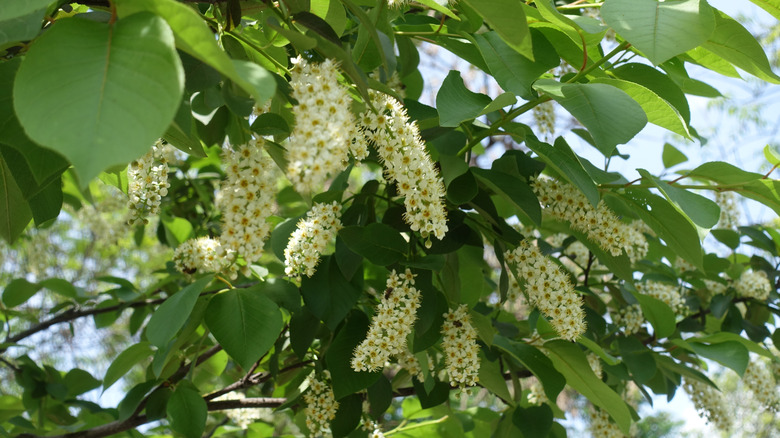
As many gardeners and homeowners make an effort to make their outdoor space more environmentally friendly, they are looking to add native tree varieties. As House Digest's Garden Editor and in-house Master Gardener, it's rare for me to discourage someone from planting a native tree, but black cherry (Prunus serotina) is an exception. If there's one single reason not to plant one in your yard, it's that every part of the tree is toxic. Black cherry also has a lot of wildlife value, but it's one you may want to leave in the forests and wild areas rather than planting it in your yard.
Black cherry trees can be grown in USDA Hardiness Zones 2 through 8, and while the tiny fruits can be harvested and made into jelly, when eaten raw or the leaves and seeds are consumed, they can cause death in pets and even humans. This is because there are cyanide compounds in the leaves, fruit, and seeds. If you have kids or animals, it's vital to know the risk involved in planting a black cherry tree where they play.
Black cherry fruit: wildlife and mess
Black cherry trees are a host plant for many butterflies. Their spring flowers provide valuable nectar for all kinds of pollinators. Those blooms give way to small, bitter fruits that are enjoyed by birds, deer, and small mammals. All of this sounds great, right? It's practically Snow White's kingdom in your yard, but that comes with a lot of mess and potentially larger problems.
Birds love the fruits — they attract songbirds, as well as wild turkeys and quail. Of course, we love to see songbirds in our yards, but do you know what you won't love? The dark red droppings left on your car, house, driveway, and everything nearby after these fruits ripen and are eaten.
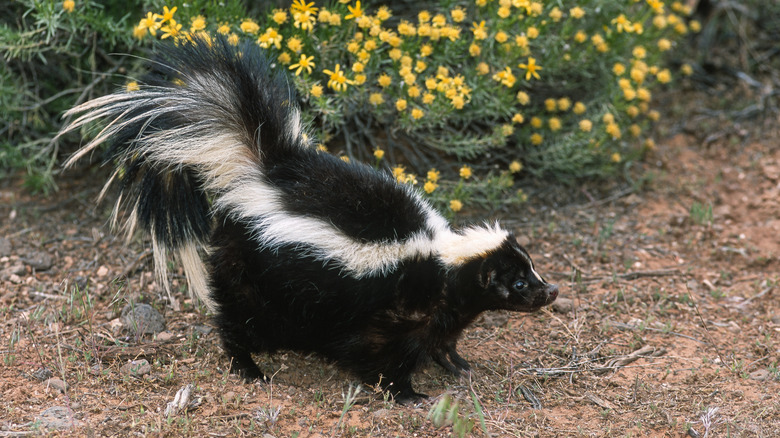
Fruits that aren't consumed on the tree will fall and rot, attracting ground pests and insects. I can tell you from experience, especially if you have pets, this is a huge problem. Skunks love ripe fallen fruit, like black cherries. They come around at night to forage for food, and when startled by a pet, they won't hesitate to spray, a traumatic experience for you and your pet! If you have deer nearby, they may also come by for a snack, but they won't stop at the fallen fruit. One morning you could wake up to discover deer have eaten your hostas down to nubs. Even if you are lucky enough to avoid skunks and deer, rotting fruit will attract nasty bugs like fruit flies.
Other issues with black cherry trees and some good alternatives
The fruit trees you'll find at the garden center are generally compact, about 20 feet at maturity. In contrast, black cherry trees are more like shade trees at up to 80 feet tall and 60 feet wide. If you have a small yard, this tree can take over quickly since it's a fast-grower — about 2 feet per year. Unlike many natives, black cherries are prone to quite a few disease and pest issues, including fireblight, powdery mildew, and leaf spot. Borers, aphids, scale, and other pests are also fond of this species.
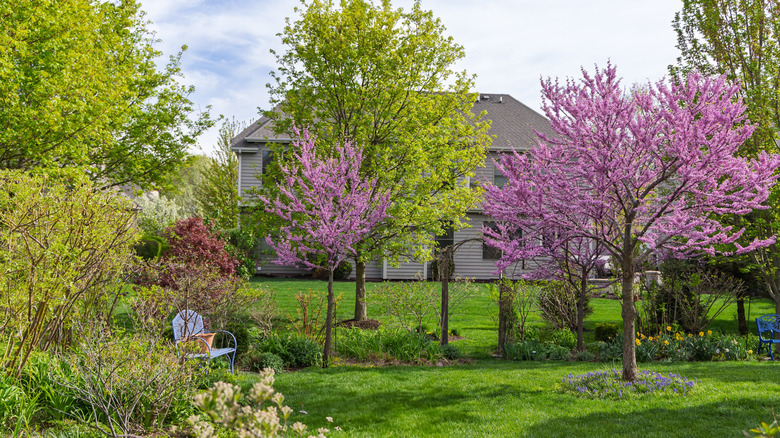
While black cherry trees are not ideal for the home landscape, there are plenty of native options that still offer wildlife value and beauty with a more compact size and much less mess. Eastern redbuds (Cercis canadensis) are easy to grow successfully in a wide range of conditions from zones 4 to 9. Dogwoods (Cornus florida) are also stunning, low-maintenance natives that thrive in zones 5 to 9. And if you still want to attract songbirds and aren't concerned about critters, American crabapple (Malus coronaria) offers a gorgeous display of blooms in the spring that supports many pollinators. These are followed by small, nontoxic fruits that are edible for humans and perfect for making cider.