

14 Winter Squash Varieties That You Can Grow In Containers
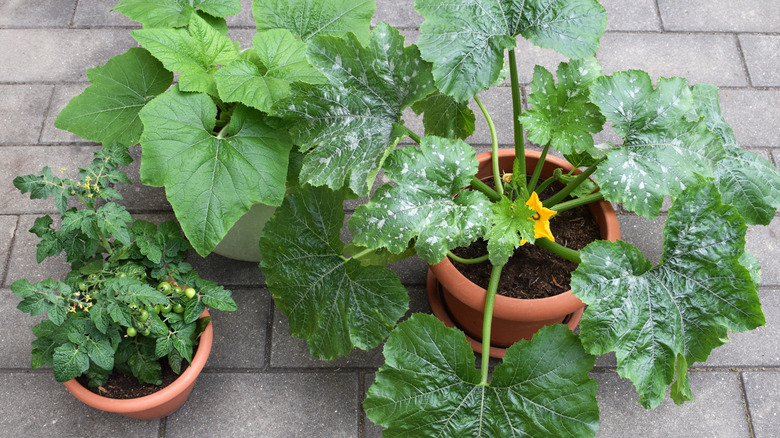
Winter squash varieties with hard rinds are staples of comfort cooking when it's cold outside. They impart a sweet and earthy flavor and can be stored for a long time over the season. It might come as a pleasant surprise that you can also grow them in a container garden indoors in the winter, as long as you choose the right kind, provide them with plenty of sunlight, and hand-pollinate the female flowers. Compact bush varieties of winter squash usually don't grow the side vines that are characteristic of other types like butternut, so they don't need as much growing space. Another container-friendly option is to grow compact winter squash on a trellis outdoors in the warmer months. Some winter squash you can grow in containers include 'Butterbush', 'Sweet Dumpling', and 'Honeynut'.
Your squash will need a roomy container with drainage holes in the bottom to grow well. Aim for at least 12 to 18 inches in depth, but do some research on the specific squash to see if you need the container to be even deeper. Beyond the depth requirement, bush squash have some quirks and require extra vigilance. Outdoors, they can be more prone to damage from pests that feed on their foliage, including squash bugs and vine borers, and because they set fruit all at once, they may not rebound easily. Bush varieties are also known to produce fewer squash than their larger relatives.
For best results, consider adding mulch to the top of the pot to keep the soil from losing moisture. If all goes well and you get a harvest, it's best to leave a bit of the stem on the fruit and put them in warm and dry storage for four to five days so they can cure.
'Honey Bear'
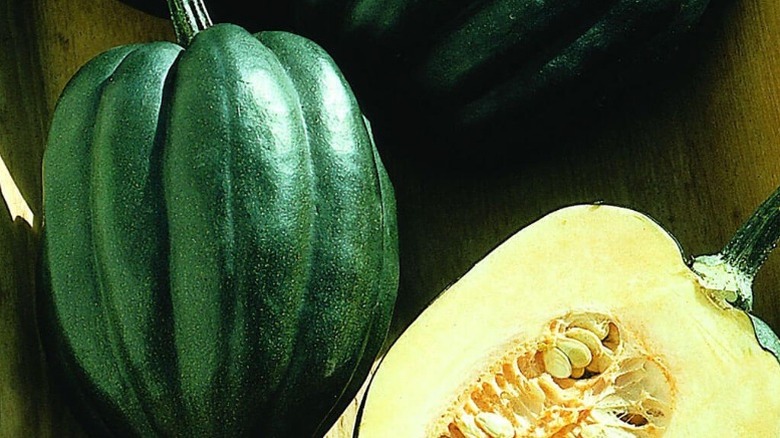
'Honey Bear' squash (Cucurbita pepo 'Honey Bear') is a hybrid acorn squash cultivar that's a go-to choice for people who want to grow winter squash in small spaces. In addition to its compact size, this variety is resilient. It will stand up to cool climates and resist powdery mildew better than many other types. It also brings the benefit of producing an early, generous harvest of between three and five squash on each plant. The 1-pound fruits resemble bigger acorn squash in coloring, with ridged dark green rinds surrounding yellow or orange flesh and small seeds.
'Burpee Butterbush'
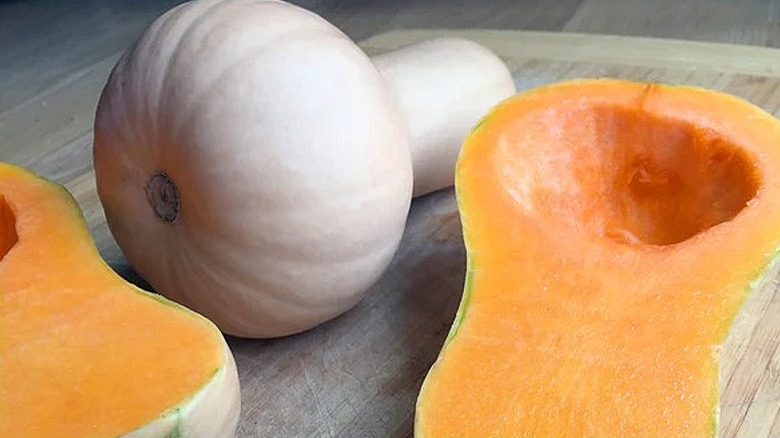
The size of most butternut squash plants (Cucurbita moschata) can be intimidating, but there's a smaller variety known as Butterbush that's much easier to grow in containers, since its vines don't extend as far. The 'Burpee Butterbush' cultivar produces 1 to 1 ½-pound fruits with dark orange flesh inside that are ready to pick in around 75 days (which is sooner than other types). Unfortunately, some gardeners have struggled with powdery mildew on these plants. If this happens to you, it's a clear sign your squash plants need to be pruned to prevent the spread of the disease.
'Gold Nugget'
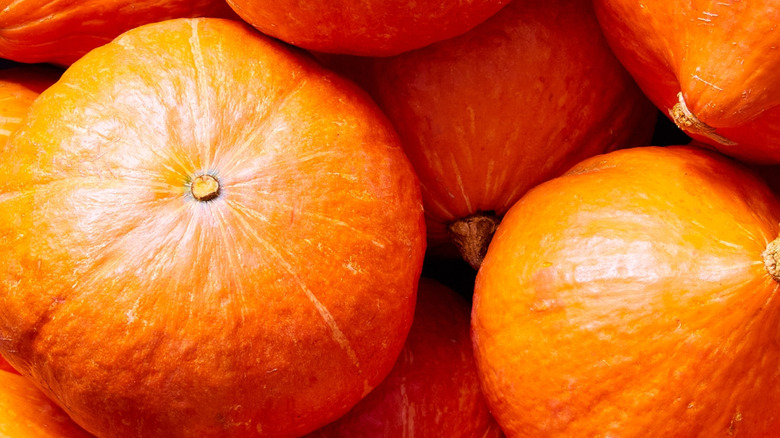
'Gold Nugget' is a compact-growing type of Autumn squash (Cucurbita maxima) you can grow in pots as long as there's enough room for the roots. Each plant typically takes around 95 days to produce five to eight round, orange fruits that weigh between 1 and 3 pounds. This variety with starchy and sweet qualities is held in high regard, having won the All America Selections award in 1966. These squash plants are also perfect for a raised garden bed, where they can be sown directly or transplanted after you start them indoors.
'Bush Delicata'

If you're looking to grow something super sweet in a container, try a 'Bush Delicata' squash (Cucurbita pepo). As a semi-bush variety, it grows short side vines but can fit in smaller spaces. These squash plants produce cylinder-shaped fruits with a similar green-striped pattern but a smaller size than regular Delicata squash. They're also known for their edible skins and non-stringy flesh.
'Honeynut'
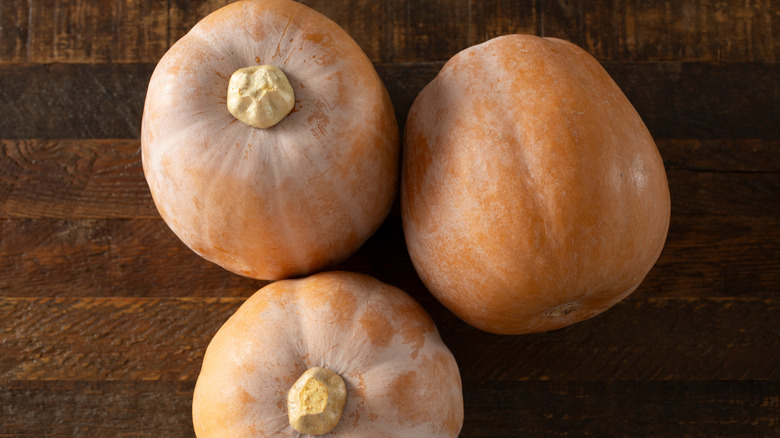
'Honeynut' (Cucurbita moschata x Cucurbita maxima) is a hybrid developed from cross-breeding butternut and buttercup squash. The result is a smaller-sized vegetable, which usually measures between 4 and 6 inches long and weighs in at ½ to 1 pound. You'll be able to tell when your 'Honeynut' is ready to pick by the color — the fruits change from green to orange as they ripen. Another attraction is their sweet flavor that has been compared to chestnut and caramel. When it comes to container gardening for these squash, consider looking into some DIY trellis ideas to give their vines support.
'Sweet Dumpling'
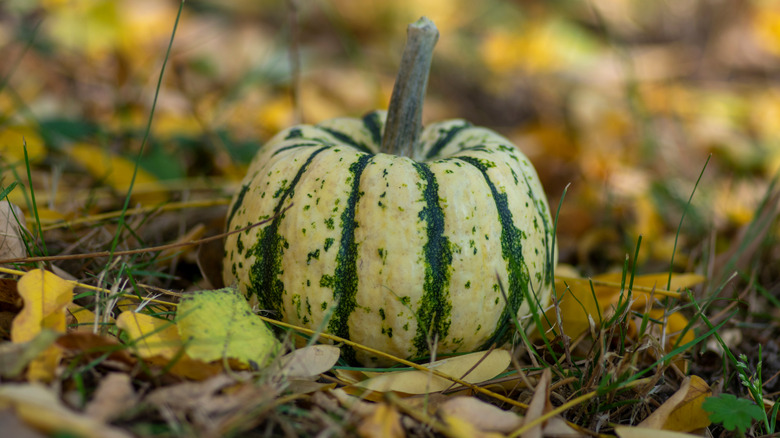
One of the tiniest options for container-grown winter squash is 'Sweet Dumpling,' (Cucurbita pepo), with 3 to 5-inch fruit that have thin, edible rinds. Its outside coloring is similar to the Bush delicata squash — light yellow with green striping. Inside, it has orange, nutty-tasting flesh. Despite its miniature size, this squash sometimes needs more than 100 days to reach maturity. But on the upside, it isn't necessary to give it a curing period (the resting stage most varieties need) before you eat it.
'Small Wonder'

Growing 'Small Wonder' (Cucurbita pepo) in a container is a creative way to get one-serving portions of the spaghetti-like squash strands that made spaghetti squash so remarkable. You can expect 10 to 15 of the yellow, 6-inch fruits with an oval shape to be ready on each plant within 80 to 90 days. Some gardeners note that the plant can give a continuous yield throughout the summer. Thankfully, they're also known to keep well in storage.
'Sweet Jade'
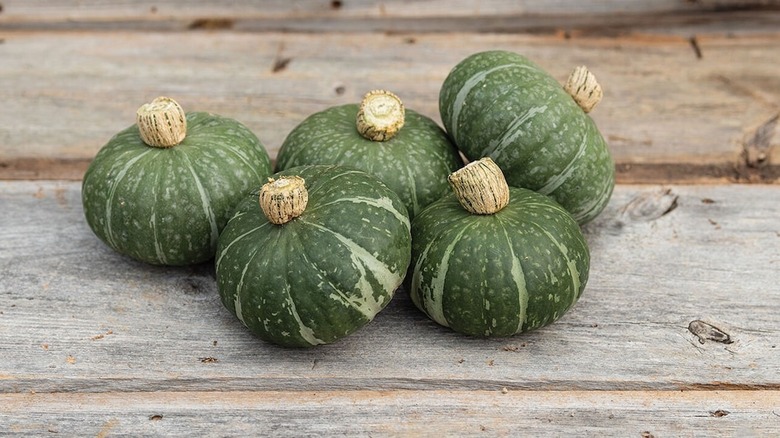
Foodies will be happy to know there's a miniature version of kabocha, one of the most interesting winter squash varieties you can grow. 'Sweet Jade' (Cucurbita maxima 'Sweet Jade') produces 1 to 2-pound fruits that have a firm texture and rival butternut squash in sweetness. The All American Selections award-winning (2023) squash variety is known for producing a plentiful volume of fruits that will hold up when stored over time. A container-friendly plant, 'Sweet Jade' tends to bear mature fruit within 85 days. It's delicious when roasted or made into a soup.
'Table King'
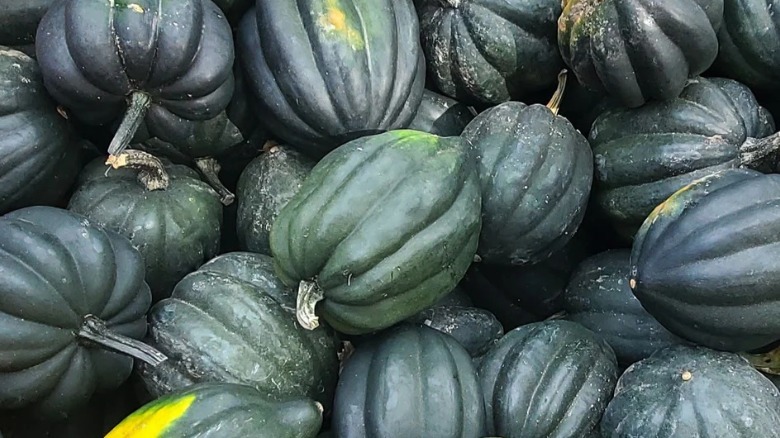
Gardeners trying to make the most of a small patio or container garden can look to 'Table King' (Cucurbita pepo 'Table King'), which is a smaller-growing type of acorn squash. Because this plant is a bush variety, it won't take up as much growing room as traditional acorn squash (the vines tend to stay compact, reaching just 4 feet), and its fruits weigh 1 ½ pounds. This variety retains the distinctive look of acorn squash, though, with ridges on its dark green skin, golden flesh, and a hollow area that contains edible seeds.
'Discus Bush Buttercup'
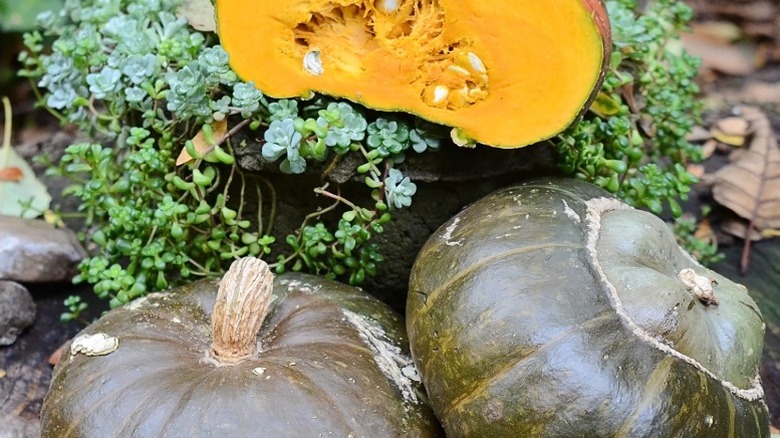
Do you crave the best of both worlds? The unique-looking 'Discus Bush Buttercup' squash also has the distinction of bearing full-sized fruit on a compact plant. Shaped like a turban, it has dark green coloring and sometimes a lighter green area on top. Inside, the seeds are nestled in small cavities. The tidy, 3-foot plants are suitable for big containers, where they can grow 3-pound fruits within 90 days. This variety is open-pollinated, which means if you save the seeds and plant them the following season, the resulting plants are likely to resemble the original.
'Tivoli'
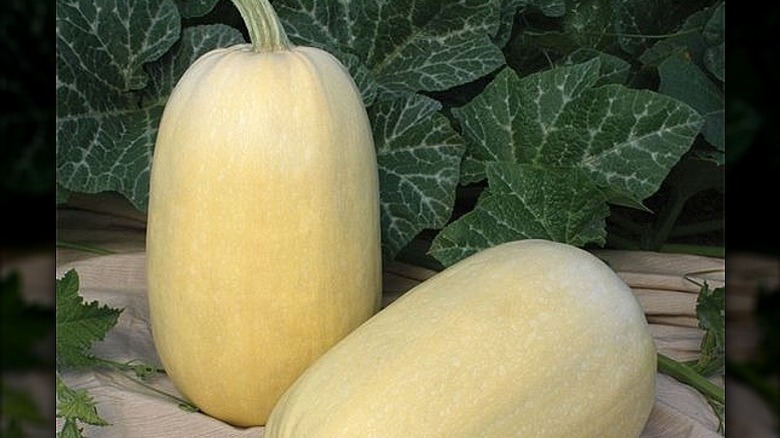
If you want to try substituting your pasta with squash and have a small gardening space, check out 'Tivoli', the first type of spaghetti squash to be bred with a bush-type growing style and the winner of an All-America Selections award in 1991. Growing 'Tivoli' squash in large containers is doable, since you can get away with leaving just 2 feet between them. Even though the plant is great for smaller gardens, the fruits are big enough to need some support. They can measure up to 12 inches long when they're ready to harvest.
'Small Sugar'
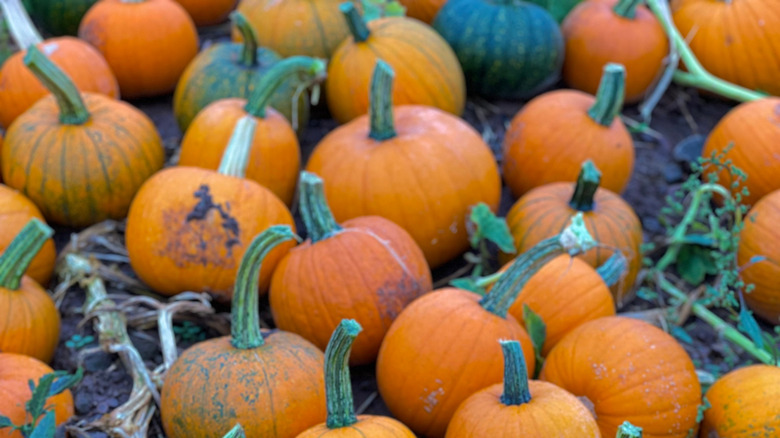
One of the most popular pumpkins used to make pies is also a type you can grow in big enough containers. The 'Small Sugar' pumpkin (Cucurbita pepo 'Small Sugar') grows 2 feet high and up to 6 feet wide, bearing 8-inch fruit with a sweetness that lives up to its name. Watch for the little vibrant orange fruit to develop within 110 days. Since they can be planted with a foot of space between them, these heirloom pumpkins are a great space-saver in your container vegetable garden.
'Honeybaby'
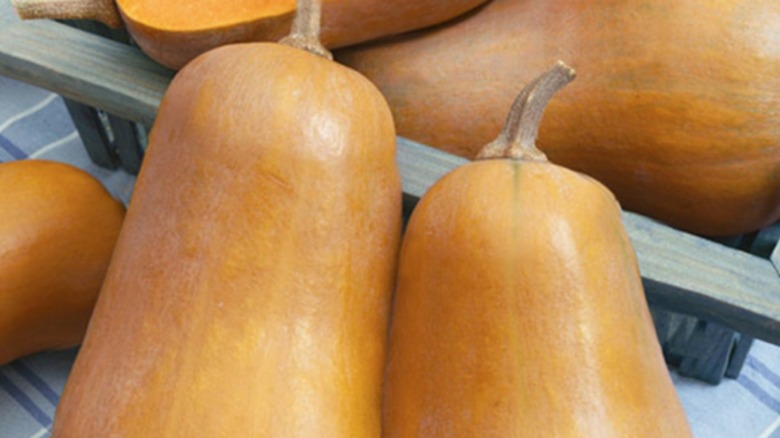
'Honeybaby' squash (Cucurbita moschata 'Honeybaby) is a butternut squash hybrid with vines that only extend 2 to 3 feet, ideal for growing in containers. The plant is known to be a prolific producer of 6 to 7-inch fruit with a shape that resembles butternut and similar coloring – beige on the outside and orange within. The nutty, sweet flavor helped this variety win an All-American Selections award in 2017. 'Honeybaby' has also been described as meaty, so it can make for a filling meal. Once you pick the squash, let them cure, and they'll hold up well in storage.
'Kakai'

If you love to snack on pumpkin seeds, 'Kakai' pumpkins (Cucurbita pepo 'Kakai') are worth adding to your container garden. These pumpkins are prized for their seeds without hulls, which you can easily roast and eat, and as a semi-bush type, the plants won't sprawl out too far. Of course, the light orange pumpkins themselves, which are pleasantly round with stripes of green, are edible, even though you can also use them as a fall decoration. Each 'Kakai' plant should produce two or three mature fruits, which weigh between 5 and 8 pounds, within 100 days.