

The All-Too-Common Front Entrance Eyesore That Can Impact More Than Just Your Eyes
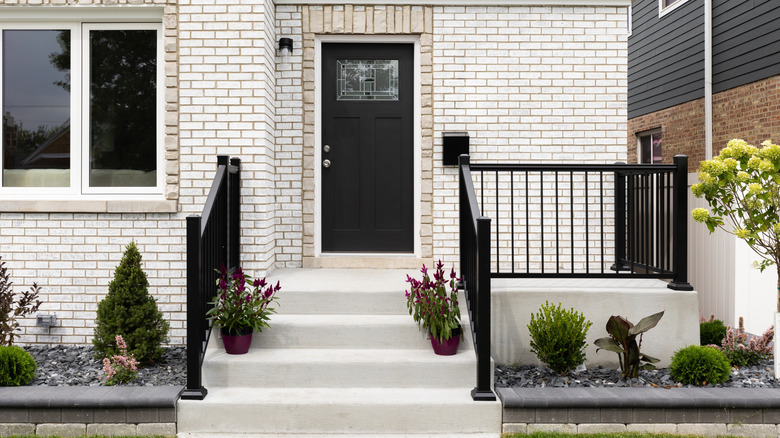
The entrance of a home is quite important as it sets the tone for everything inside the property. It's the first thing you see when you arrive home. Plus, there are all kinds of beautiful entryway designs to make a stunning first impression on visiting guests. As such, the space is supposed to feel welcoming and safe. However, there's this one eyesore at the front of many homes that's commonly overlooked by one and all: uneven steps. At first glance, this may seem like a minor cosmetic flaw that everyone can simply ignore. That is, until someone misses the uneven step and trips, hurting themselves badly in the process. The Centers for Disease Control and Prevention (CDC) lists broken or uneven steps among the causes of the millions of fall-related accidents yearly. The aftermath of these falls ranges from minor injuries to fatal fractures.
As a homeowner, you can be held liable for injuries obtained by visitors due to uneven entryway steps. Failure to inspect and maintain your property can have legal consequences, since anyone who suffers a nasty fall on someone else's property is entitled to compensation for pain and suffering, medical bills, and even lost wages. This is why in many places, including New York, homeowners are required to follow local building codes to keep their staircases and stairwells in a reasonably safe condition. That said, uneven steps are more than just an eyesore; they are a liability waiting to happen.
How to ensure your front steps are even and safe
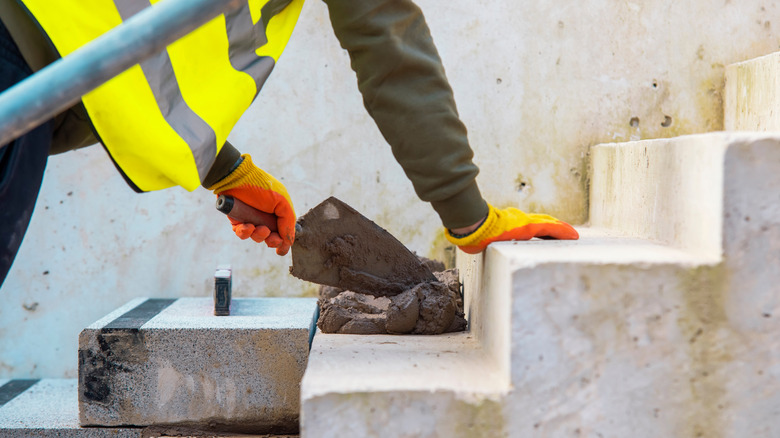
Many curb appeal mistakes can hurt a home's market value, and having uneven steps is one of them. To nip the problem in the bud, start by confirming the issue first. Visually inspect your front entrance to see if any of the steps are taller or shorter than the rest. Using a tape measure or a leveler, check if each riser (vertical height) and tread (horizontal depth) is uniform. Even the slightest difference can disrupt the rhythm of walking over the steps and increase the chances of someone tripping.
After confirming the problem, it's time to address it head-on. Note: The repair work varies depending on your stairs' construction material. An easy fix for wooden stairs is inserting shims into the treads or risers to align them with the rest. For concrete steps, minor settling or cracks require drilling small holes and polyjacking or pumping a lifting material like polyurethane foam to raise and level the uneven steps. Moderate cases need patching or resurfacing, while severely degraded steps, including those with crumbling, cracked, or sinking platforms, demand a full demolition and an overhaul.
Your entrance steps are more than just decorative features, although you can give your plain outdoor concrete steps a major upgrade with stencils and paint. As a high-traffic pathway, structural imperfections can be a safety hazard, so addressing them early is crucial to prevent injuries and ensure that your home's entryway is as safe as it is inviting.