

Don't Throw Out Your Wood Ashes! Use Them To Help Your Pepper Plants Thrive
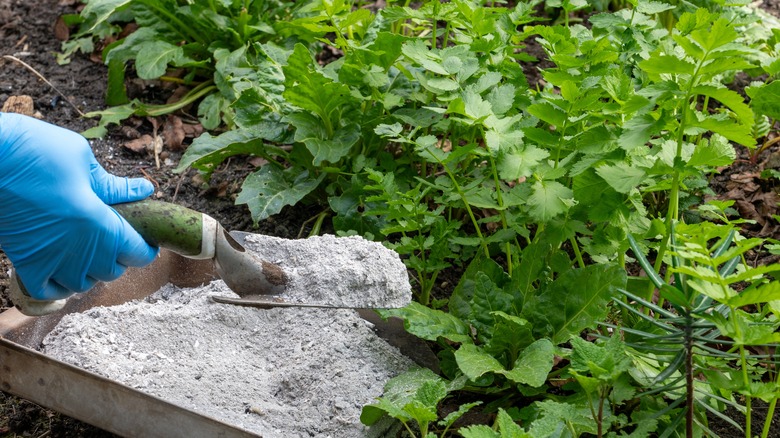
The next time you start to clean out your fireplace or outdoor bonfire, you may want to hold on to your leftover wood ash. While this material may seem destined for the trash can, you should always keep your wood ashes, as they can be used to fertilize various flowers and vegetables in your garden, from lilacs to tomatoes. Some gardeners even use wood ash as a fruit tree fertilizer. One veggie that will really appreciate the nutritional boost of wood ash is your pepper plant.
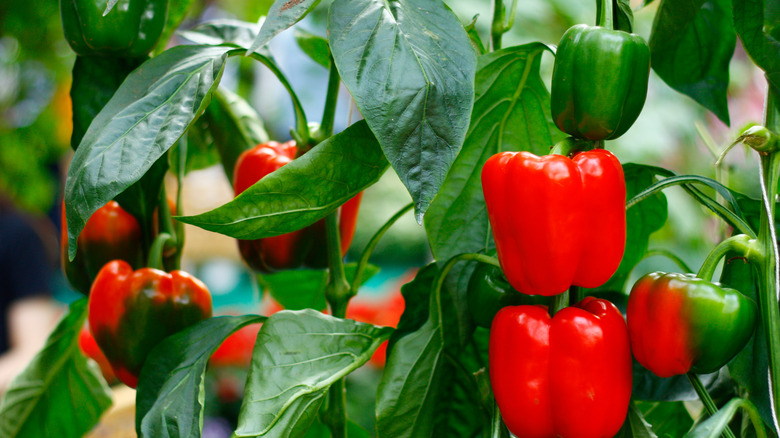
In order to grow and develop properly, pepper plants require a few specific nutrients, including phosphate, calcium, nitrogen, and potassium. Wood ash, which is what's left over after burning wood, is full of nutrients like potassium, magnesium, phosphorus, and calcium, making it an excellent amendment for your soil. Peppers require calcium to help prevent blossom end rot and grow thick outer layers, and they need phosphorus to increase fruit yields. In fact, if your peppers are rotting, it may be an indication of a nutrient deficiency. Adding wood ash to your pepper plants could help boost their health, overall growth, and production.
How to fertilize pepper plants with wood ash
Collect wood ash after burning untreated wood, and sift through the ash before adding it to your plants to remove any large debris pieces. To properly add the wood ash to your pepper plants, there are a couple of options. You can either sprinkle the ash onto your soil, using a garden fork or rake to mix it in, where the rain will help the nutrients to soak into the roots, or bury it directly in the planting hole. If you choose the second option, pour about one cup of the wood ashes into each planting hole.
It's important to note that while wood ash can be beneficial to some flowers, fruits, and vegetables, too much ash can make your soil's pH less acidic, which can harm your pepper plants, so don't overdo it. Also, when storing wood ash for future use, make sure it stays out of the rain, as getting rained on can cause the material to lose its potassium content.
When selecting your soil to combine with wood ash, note that pepper plants prefer well-draining, rich, and loamy material. Ideally, the soil you pick for these veggies is a healthy blend of materials like organic matter, perlite, and vermiculite. There are a lot of options when it comes to adding amendments to your pepper plants, like wood ash or even Epsom salt, and these ingredients will help boost your plants' growth and production.