

The Major Benefits And Disadvantages Of Living Above A Storefront
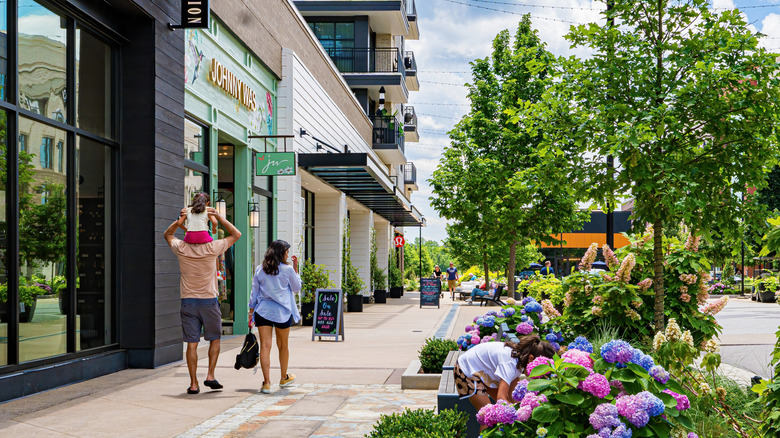
Mixed-use developments are popping up throughout the United States, as developers combine apartment or condo living with retail spaces. Touring through the projects, it might seem incredibly enticing to live perched above a grocery or clothing store for the convenience. Without careful consideration of the benefits and drawbacks of living above a storefront, you might find yourself unhappy in your new digs. Choosing a place above a retail location may help you drive less and simplify your shopping. On the other hand, it might also affect your comfort, finances, and sleep.
The idea of living above a storefront isn't new and dates back centuries ago when shopkeepers lived above their stores. Today, though, it's not only store owners living above a retail business, but tenants or condo owners. The rise of mixed-use developments, sometimes touted under the catchy "Live Work Play" motto furthers this trend, urging the idea that residents don't need to wander far to meet their shopping needs. Large metro areas including Manhattan and Washington, D.C., are increasingly growing with mixed-use setups, and more development is on the horizon. Developers and retailers like mixed-used projects because it lets them use space well and create a built-in customer base. Residents are embracing these setups because it might help them live without a car, improve walkability, and create a sense of community. But for those new to the trend, it pays to consider any drawbacks as well as gains to avoid mistakes renting an apartment or buying a condo above a store.
Why it might pay to live about a storefront

Living right above a store certainly offers its benefits. If you reside above a big-box store like Target, a bodega, or convenience store, it can make it easy to grab necessities in a pinch. You could cut down on your DoorDash or Instacart expenses because it's easier to just run down and retrieve what you need, from snacks to an emergency can of cat food for anxious furry overlords. Such developments are often "transit-oriented," meaning they're purposefully constructed near public transportation, plus may include access to e-bikes. One of the most renowned examples of mixed-use development with easy transit access is the Hudson Yards in New York City, which features the subway entering right in the center of the neighborhood for its thousands of residents.
Finally, living above a store can imply you live in a vibrant community, as areas with mixed-use development are often part of a larger neighborhood revitalization plan. A notable example is The Parks at Walter Reed in Washington, D.C., which features 323 apartments perched above a Whole Foods store. The development expanded to include Starbucks as well as services, such as a salon and a veterinarian, to further make things convenient for residents. Having such a lively bustling community may increase feelings of safety, particularly for anyone who lives alone.
Rethinking whether you should live above a store
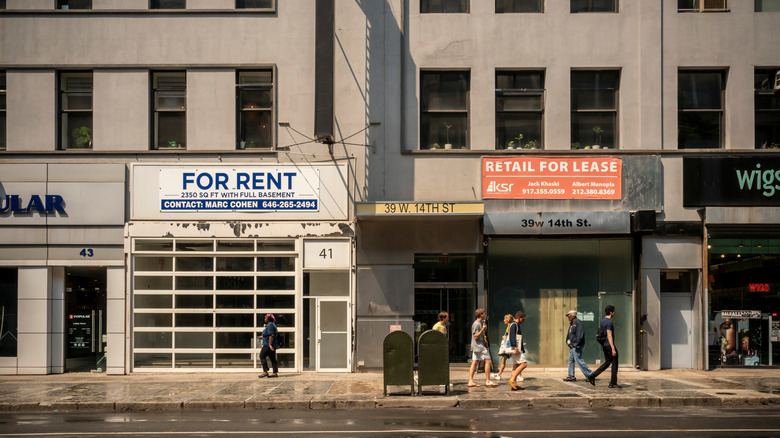
With the convenience can also come several disadvantages of living above a storefront. You might find yourself spending more at your downstairs neighbor, and the costs can quickly add up, especially if you're shopping at a clothing or luxury store. An apartment or condo above a bodega or grocery might bring worries of potential pest problems if they have poor storage or waste practices. Those insects and rodents can scurry up to your home, which risks your health and safety. A busy store, especially one with late night hours, can bring higher noise levels, which may make sleeping difficult. If you have a vehicle, the consistent traffic to the store may impact your ability to find parking if you don't rent or own a parking spot.
The commercial real estate market is constantly in flux, and may come with vacant stores in periods of economic downturn. If renting or buying above a development promising full storefronts, that might not come true, which means you're either living above an empty space or might see alternative tenants in their space. For condo owners who live above a store, resale chances might be limited if some buyers don't like the idea of retail underneath their home. What slow housing markets or a potential stock market crash may mean for your home's value can be anyone's guess. If there's a lot of competition, buyers might be drawn to properties without a store attached.