

Which Backsplash Material Works Best For Your Space?

We may receive a commission on purchases made from links.
Installing a backsplash is a brilliant way to add color and interest to different rooms of your house, from the kitchen and bathroom to the laundry room and even the mudroom. However, each space typically comes with its own specific challenges, such as excess moisture in the laundry room or food spills and potential staining in the kitchen. Luckily, there are a variety of different backsplash materials to choose from which are suited to tackling these unique requirements in order to make every area of your home not only stylish, but functional as well.
From ceramic tiles to composite stone or simple wood, we can examine the benefits and drawbacks of each available material to ascertain which ones are best for certain areas of the house. After all, having a backsplash in your mudroom where it is easily scratched can be both frustrating and costly as it will likely need replacing due to the high level of foot traffic from family members and pets. In addition, your bathroom will likely require a backsplash that is able to handle high levels of humidity and which can be easily wiped down to make cleaning your bathroom easier and prevent the buildup of dirt and grime. So, of the many options to choose from, which backsplash material is best for these rooms in your home, and how can you install them for the highest level of both durability and style?
Kitchen — Ceramic tile
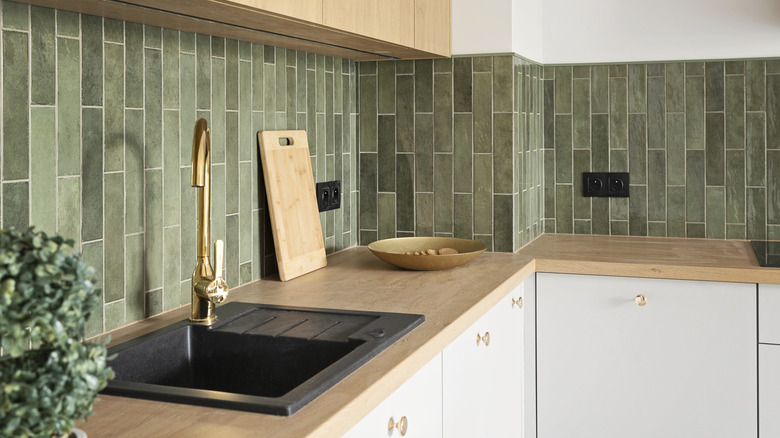
The most well-known place in the home to install a backsplash is the kitchen, and with good reason. Considering the amount of food and drink prepared in this area, it makes sense to have a material which can protect your walls from splashes and food spills. But which material should you go for in the kitchen? For this classic space, your best option may just be to go with a classic material: ceramic tiles. Ceramic tile backsplashes are great for aesthetic reasons because they come in a variety of different colors, shapes, and sizes, meaning they are easily customizable to your specific design taste.
Ceramic tiles are also highly practical in a kitchen for a few different reasons. First, they are easy to clean. Due to their smooth, flat surface, tiles can be wiped down to easily remove stuck-on food particles without the need for extra scrubbing or repainting, as would be needed on plain drywall or natural stone. While the grout and tiles themselves can be prone to staining, using a proper proactive layer such as Miracle Sealants grout sealer can help prevent this and lessen any long-term damage to the tile as a result of moisture or stains. Tiles also tend to look high quality while still being relatively affordable — from $10 to $40 per square foot for both tiles and installation costs — making them a good option for kitchens where the backsplash needs to cover a large portion of the wall. Finally, ceramic tiles are a popular and effective choice for kitchens because they are relatively lightweight, easy to install, and customizable to fit within a variety of different kitchen sizes and shapes.
Mudroom — Wood
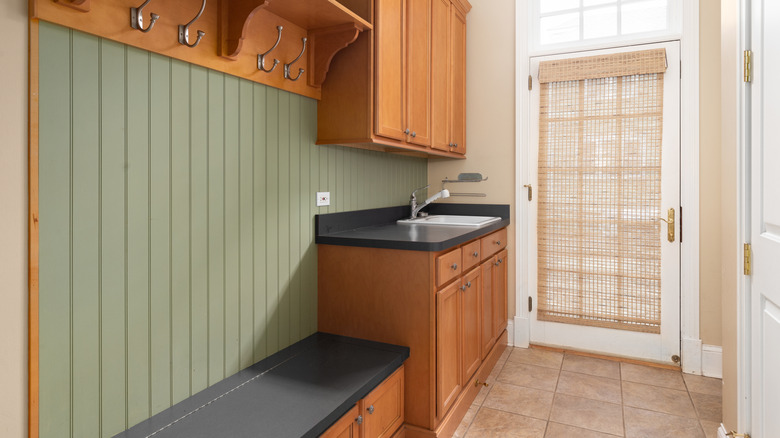
The mudroom is typically located at one of the entrances to the home, making it easy to shed wet or muddy layers before entering the rest of your spaces. As such, it is a good idea to use a material for your backsplash which feels natural, warm, and welcoming because of its role as a transition space from outside to inside. Wood is perfect for this due to its unique grain patterns and earthy tones. Additionally, because wood can also be a potential fire hazard if placed near open flames, it is a better fit for mudrooms than for kitchens or living rooms with fireplaces.
In addition, wood comes in a variety of forms to can suit different needs. For example, oak and maple are particularly durable, making them a good choice for households with children and pets. Alternatively, cedar is moisture-resistant and may be a good option for you if you live in a wet environment and frequently hang up damp coats and umbrellas. To make the most out of a wood backsplash in your mudroom, remember to regularly check for any areas that may fall victim to warping or mold, and make sure to seal it properly to give it a longer lifespan. Lacquer, in particular, is a good sealant as it is highly durable, though shellac can be a good choice as well if you prefer a shiny finish.
Laundry room — Composite stone
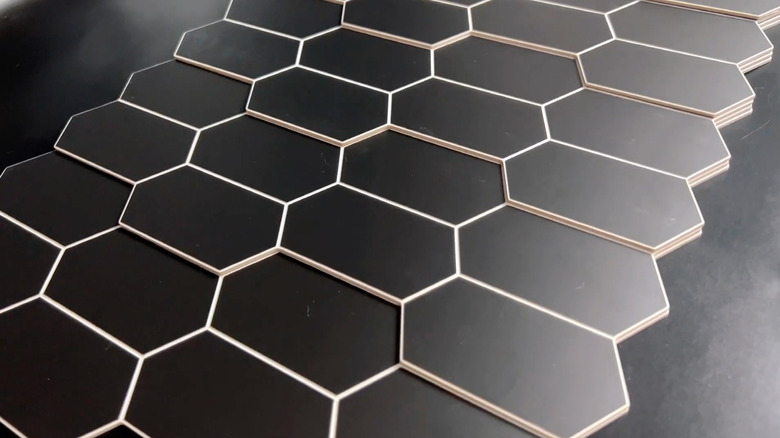
While laundry rooms tend to see less foot traffic than mudrooms, they come with their own specific needs when it comes to installing a new backsplash. With the bulky elements of washers, dryers, and clothes racks, it is a good idea to look for a material which is bright and reflects light in the room to make it feel bigger and less cramped. In addition, due to the high water content that can often occur due airing clothes or escaping steam from the dryer, your backsplash should be made of something relatively moisture resistant to protect your walls and extend the lifespan of the backsplash itself. With all that in mind, therefore, composite stone could be the best choice for your laundry room.
This type of human-engineered stone isn't porous, making it a great choice for rooms which see a lot of humidity. In addition, it tends to be cheaper than natural stone — up to around $120 per square foot, rather than $200 — and is available in a range of styles which can be customized to create your dream laundry room look. Many homeowners prefer a laundry room with a sleek, contemporary feel because it lessens visual clutter in a room which can often become full of clothes, cleaning supplies, and other paraphernalia. Engineered composite stone is great for accomplishing this goal. Because the material is man-made, it can be designed to have a more uniform look than natural stone, which tends to feature veins and imperfections. This regularity throughout the engineered stone can help create a sense of balance, light, and calm for any busy laundry room. And, as a bonus, some composite stone even comes in a peel-and-stick form which you can install yourself.
Bathroom — Glass tile
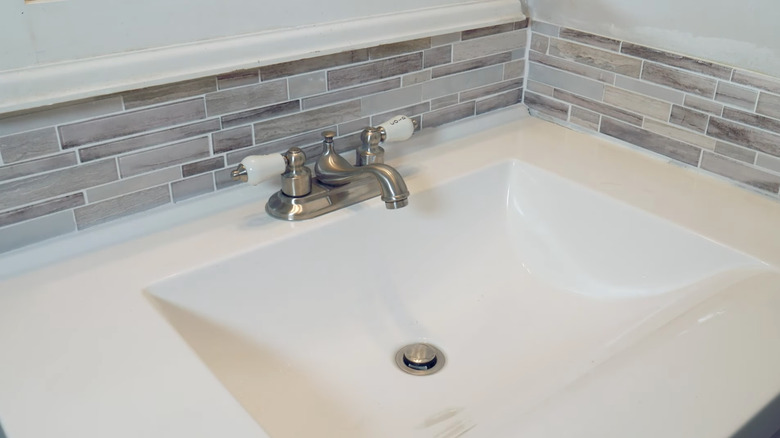
One material is particularly suited for creating stunning yet practical backsplashes in the bathroom, and that is glass. Tiles made of glass have a variety of properties which mean they can not only create stunning, dynamic displays but are also the perfect low-maintenance option for your shower or backsplash. First, they are completely water resistant. Compared to ceramic tiles, which can absorb up to 3% of the moisture around them, glass tiles allow water to simply roll off. This makes them a great choice for the bathroom due to its high levels of humidity and frequent splashing from sinks, bathtubs, and showers.
In addition, glass is not prone to mold or mildew growth and its smooth surface can be cleaned easily, helping you keep your bathroom spotless without requiring as much elbow grease. In terms of look and style, many bathrooms suffer from a lack of space or natural light, causing them to feel cramped or dingy. Glass tiles have a reflective quality, which allows them to bounce around existing light to make the room feel bigger and less dark. Keep in mind that glass tiles can be susceptible to scratches, though this makes them a better fit for bathrooms than for kitchens or mudrooms where hard tools and objects are more common.