

13 Outdated Dining Room Styles And Trends To Avoid In Your Space
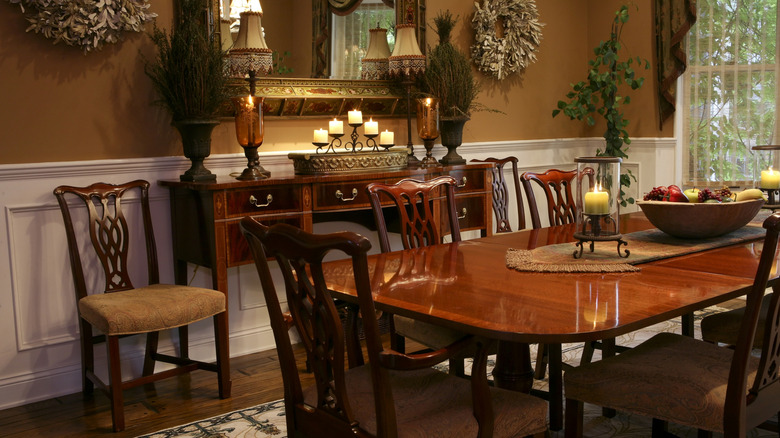
From the early '80s to the late '90s, formal dining rooms were often treated like museum exhibits. Frequently known as "the good room," they were places where the best china was displayed behind glass doors, gathering dust. Many of these rooms had wall-to-wall carpets and were used primarily for special occasions, like hosting Thanksgiving dinners and birthday parties with family. Decor was opulent, elegant, and luxurious.
Today, modern dining rooms typically serve multiple functions. Rather than looking like showrooms, they have become a center of domestic activity, providing a space for everything from homeschooling to impromptu game nights. As far as furnishings go, dining areas of today often feature more individually chosen, curated pieces, rather than overly matchy-matchy furniture sets. If you're ready to redecorate your dining area but you're not sure where to start, we've researched 13 design features that can make this space look outdated, so you know what to avoid and what to switch up.
Matching furniture or boxed sets
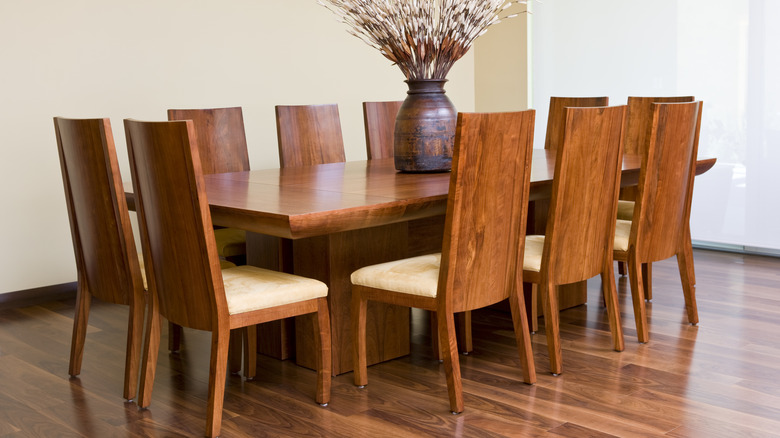
In previous decades, many people would shop at furniture stores or large chains and purchase matching or boxed sets of dining room furniture. These included a dining table with chairs and often the option to add a sideboard or buffet. Each piece was stylistically identical, featuring the same type of wood and matching design elements. It was the simple way to ensure your dining area had a uniform, perfectly matched look. Some sets were more popular than others, so you might even end up with the same matching decor as someone you know.
Today, your home is seen as an extension of your personality. It's a place where individual expression and customization are important. A dining room full of overly matched furniture can feel old-fashioned, and lack nuance. Instead of making your dining room look like a page out of a catalog, select pieces that mix shapes, eras, and textures. For example, you can keep that thrifted, solid-wood farm table, but combine it with a set of modern upholstered chairs. Or, pair a glass table with a carved base and a mid-century modern buffet. The goal is to make your dining room look like you've collected multiple pieces over the years, rather than purchasing a single set in one afternoon.
Obviously DIYed treatments like sponge painting and random accent walls
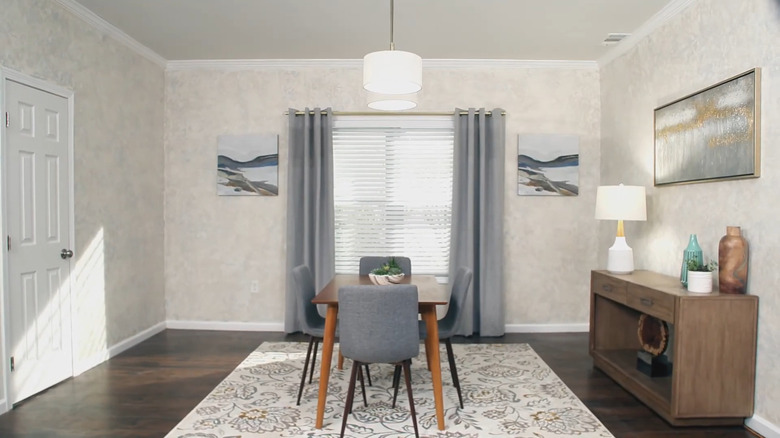
If you decorated your home in the early 2000s, you probably remember sponge-painted accent walls. To achieve the look, you'd start with solid base paint and then choose a lighter accent color to sponge on top. It was just one way to add texture and depth to a boring room, and a good way to hide aged plaster or cracks in your drywall. But this technique is now considered an outdated home paint trend (Pinterest especially recommends avoiding it if you plan to sell). Unless done correctly, a sponge-painted wall can look unfinished and messy. Like other types of accent walls, it can make even the most modern dining room feel like it's stuck in the past.
Accent walls can still be a feature in modern dining rooms, but selecting a random wall to highlight will often make the room feel disconnected, and clearly DIYed, versus skillfully designed. Instead of picking a wall on a whim, choose a specific architectural feature you want to play up, such as a bay window or fireplace, or some beautiful built-ins. By focusing on an existing feature, you can make an accent wall feel intentional. If there isn't a focal point or architectural feature you want to highlight, and an accent wall doesn't really make sense — then go bold and consider wrapping the room in your treatment of choice, whether that's wallpaper or a moody paint color.
Formal dining rooms that feel strictly single-use
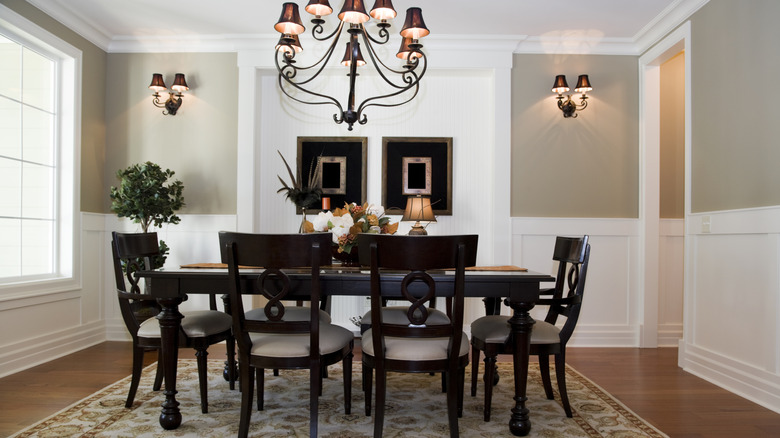
If you enjoy hosting dinner parties once a week or tend to sit down as a family to eat together every night, a formal, single-use dining area might work for you. However, rarely used, dedicated formal dining rooms are a once-popular dining room trend that can make your home look dated. Modern families tend to be more fluid, with people often eating at different times due to work or extracurricular activities. Many Americans also enjoy taking meals in front of the TV or at the kitchen island. Of course, some families do still use their dining rooms for nightly meals, but that doesn't mean yours can't serve multiple purposes.
Functional multi-use spaces can bring your dining room into the present and allow it to do double-duty in your home. If you and your partner love board games (or puzzles), equip the space so it can feel conducive to cosy hours spent on a game. Or maybe you need a home office as much as a formal dining space? Consider a flexible layout that allows for multiple different uses. For instance, you might be able to create a dining set-up that takes up a smaller footprint by adding something like banquette seating (which is also more inviting for activities like board games). This could free up room to create a work area. If you don't want to have computer and home office items out and in sight during meal times, there are lots of clever ideas for a flex space like this, such as sprucing up old closets to create an office nook, or even repurposing a vintage roll top writing desk as your workstation. When work is over, you can literally shut the lid on it.
An entirely muted color scheme
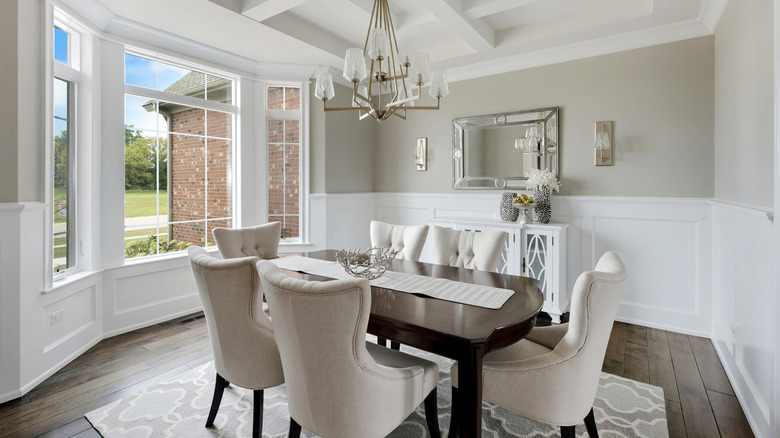
For many years, a neutral palette was considered the safe choice for home interiors, including dining rooms. Colors like tan, beige, white, and light gray dominated because they coordinated well with most furnishings, created a calming space, and offered a blank canvas for customization. However, sticking super strictly to a neutral palette can feel a little staid and outdated, especially in a dining space. An overload of neutrals can lack the depth and personality that make gathering spaces feel warm and inviting. You want your dining room to be a place where family and friends will settle in for relaxing evenings and lively conversations. A room with washed-out color often doesn't set this mood, and feels very 2010s.
Many designers in 2026 are moving toward deep, moody colors, like eggplants and burgundies, that make a space feel luxe and cozy. If you don't think you're ready for that type of commitment, you can always experiment with saturated accent pieces. For example, a properly placed lamp or richly colored chair upholstery can add dimension and the color you need to make your dining room look interesting and upscale. You can also purchase small furniture items, rugs, or drapes to test which colors work best. If you decide you're not happy, you can generally swap items for something different or return them for a refund.
Bench seating
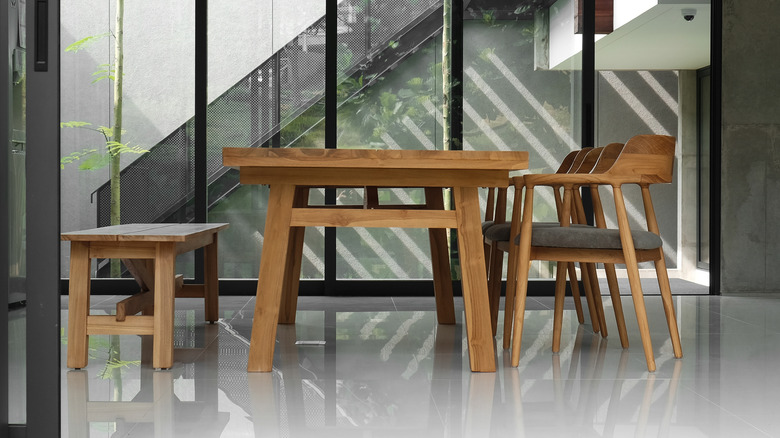
Bench seating at tables is nothing new, but it became a particularly popular option during the reign of modern farmhouse in the 2010s. Often praised by large families and those with children, this type of seating saves space because it can accommodate several people compared to bulky chairs, and can be tucked away underneath the table when not in use. One downside, however, is that bench seats aren't very supportive. If you enjoy long conversations at the dinner table or lengthy game nights, these seats can pose a major comfort issue. Another problem with bench seating is that, if you're stuck in the middle seat, it can be difficult to get out without disturbing others. Besides being potentially impractical, as the modern farmhouse style fades from popularity, so too is its signature one-sided bench seating arrangement
If you're someone who still likes the idea of incorporating benches, you can follow a few tips on how to mix up your dining room seating. Instead of a traditional bench seat, opt for banquette seating that takes advantage of an existing wall for support. You can also choose from U or L-shaped designs with plenty of cushions for extra comfort and color. Some banquette seats also have hidden storage, so you can eliminate clutter and keep board games and linens on hand. And if you prefer to stick to a bench, rather than have a banquette, consider going with something that has a soft, upholstered top. Not only will this be more comfortable — but it'll also feel a little less farmhouse and a little more 2026.
Crystal or oversized chandeliers
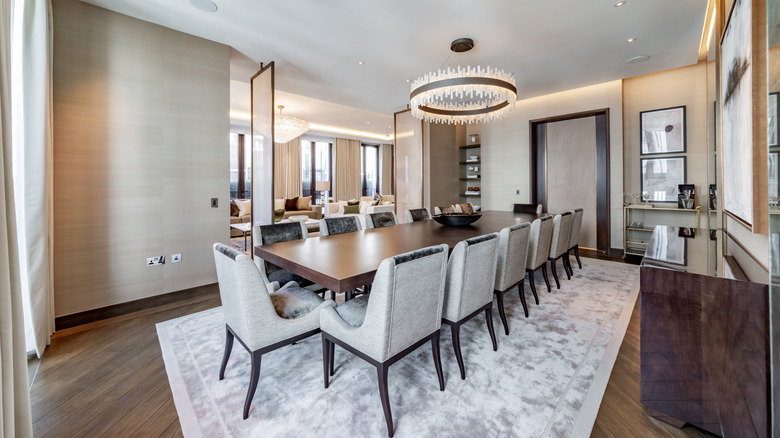
Most people associate crystal chandeliers with the elegance and grandeur of ballrooms, historic mansions, and Downton Abbey-style manors, where they tend to match the mood. Most designers agree that oversized crystal chandeliers are outdated when used in traditional homes. On top of this, they are fragile and difficult to clean, which can make them a problem for individuals looking for low-maintenance designs. Most styles are also far too heavy and ornate for contemporary ceiling heights and room sizes.
If you still have a crystal chandelier, consider swapping it out for a sculpted contemporary light fixture. Because dining areas have become functional multi-use spaces, layered lighting is also essential and on trend. Mix and match light sources with classic pendants, wall sconces, flush mounts, and buffet lamps to ensure the room is well-lit and sumptuous-feeling. You can also connect your lighting to smart home devices and include timers and motion sensors for a more modern vibe. This will make the area feel more custom and less like a time capsule.
Artificial floral arrangements
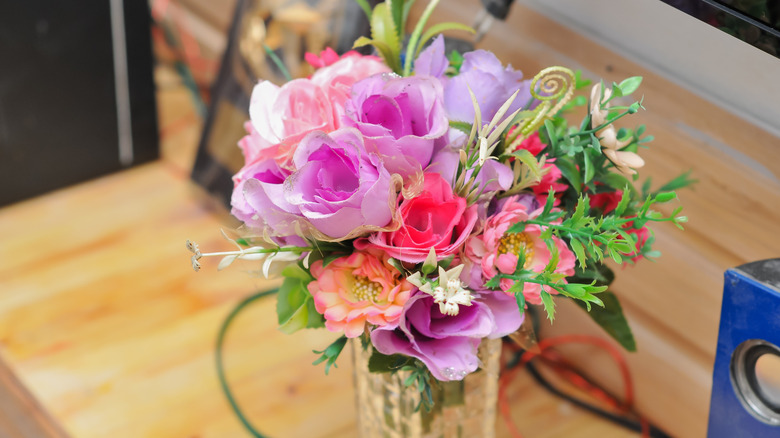
Fabric floral arrangements can be a perfect home decor option for busy individuals who don't have time to take care of real plants. They are inexpensive and come in a multitude of designs and colors, so you can coordinate them with your current decor. The problem is that many arrangements look lifeless, which can make a room appear dead and dated. A permanently placed floral arrangement can also be a major dust magnet.
Fresh flowers are always a better alternative because they add fragrance and beauty. You can swap out the style based on what's currently in season and even pick them from your own garden. Home-grown floral arrangements are an interior design trend that helps gardeners enjoy their blooms, and they can feel more charming and natural than perfectly arranged bouquets. If you don't have a garden, many grocery stores have discounted flower sections with day-old bouquets at low prices, which you can split and arrange into multiple displays, like a bud vase for your sideboard, and a larger vase on the table. If you're against purchasing bouquets regularly, you can always opt for a low-maintenance potted succulent or a hearty snake plant that does well in most conditions. Even a bowl of fresh fruit offers more energy than a vase of artificial flowers.
Heavy damask drapes with tassel tiebacks
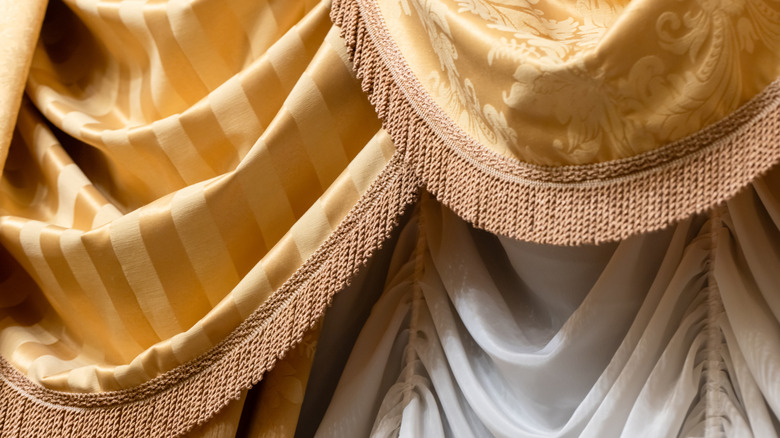
It's no secret that window treatments can make or break a room. Thick damask fabrics with oversized tiebacks tend to block out sunlight and make a room feel dated and depressing. They also collect dust and create a barrier between indoors and out, something that is counterproductive to the current trend of celebrating natural light and open, airy spaces. Basically, if you have these types of drapes in your home, the '80s called and they want their dining room decor back.
Instead of heavy velvets, look for bold patterns and retro prints on lighter linen and cotton fabrics. Choosing your favorite color can also help restore personality to the room. Cafe curtains and thin panels allow natural light in, so you can keep the room bright and functional during the day. If you have a small space, floor-to-ceiling curtains can create the illusion of height. Some people prefer the privacy that heavy drapes provide. However, you can still keep people from peering in your windows by adding lightweight linen shades or woven wooden mini blinds that you can open and close as needed.
Formal china cabinets with unused china
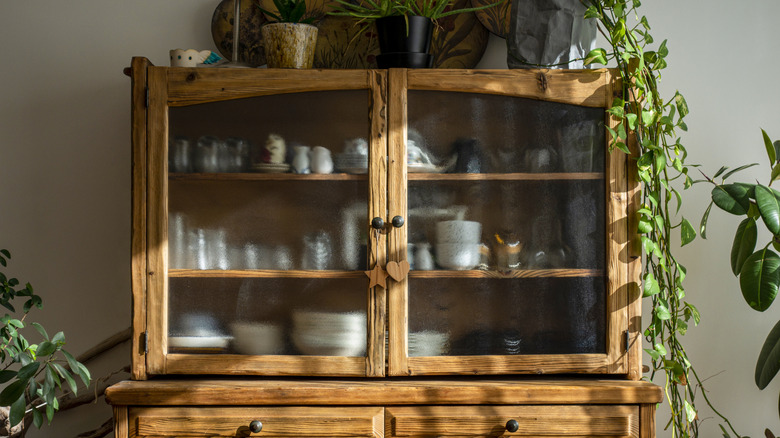
In the '70s and '80s, brides-to-be would register their favorite china pattern, which usually included a 12-piece place setting with a matching platter, gravy boat, coffee cups, and sugar bowls. Because these sets were considered collectible and often expensive, they would be stored away in china cabinets to be looked at but rarely used. Today, the concept of display-only dinnerware is a thing of the past. Many people prefer dishwasher-safe pieces over fragile sets. With less expensive dinnerware to put away, families have discovered that formal dining cabinets are also no longer needed.
Modern homes feature sideboards, buffets, and console tables. These smaller pieces can make a room feel bigger while providing additional storage. If you inherit a beloved set of dishes from your grandmother, try displaying the pieces on open shelving, on the wall, or in a glass-fronted credenza. This can help you achieve the same look without the oversized bulk of a traditional hutch.
Wall-to-wall carpet or overly ornate rugs
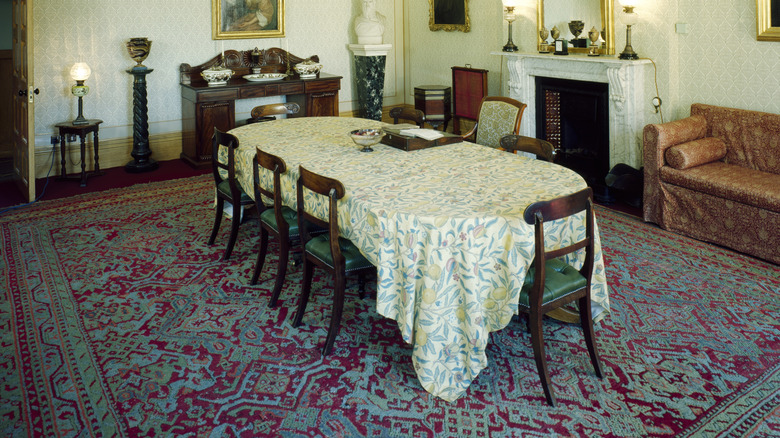
Wall-to-wall carpet in living spaces has seen its day. If your dining room is carpeted, this could be a majorly dating factor. Very ornate, large, traditional rugs can also make the space feel less contemporary, especially if the furniture pieces also all lean traditional.
If you have wall-to-wall carpet installed, and are considering removing it, hardwood flooring and luxury vinyl are popular modern options because they allow for easy cleaning and withstand traffic. Having the ability to sweep up after a meal daily to keep the space clean is a massive bonus, especially in dining rooms that see daily use from busy families. With that said, rugs can still have a place in a dining setup if you are considering warmth and noise reduction. They can also help ground a table, so it doesn't seem like it's floating in the center of the room. If your dining room is feeling heavy and overly traditional, rather than opting for something like a Persian-style rug, tone down the look with a more contemporary design. You can stick with the same color palette, just add fresh visual interest with a different motif.
Table runners and place mats
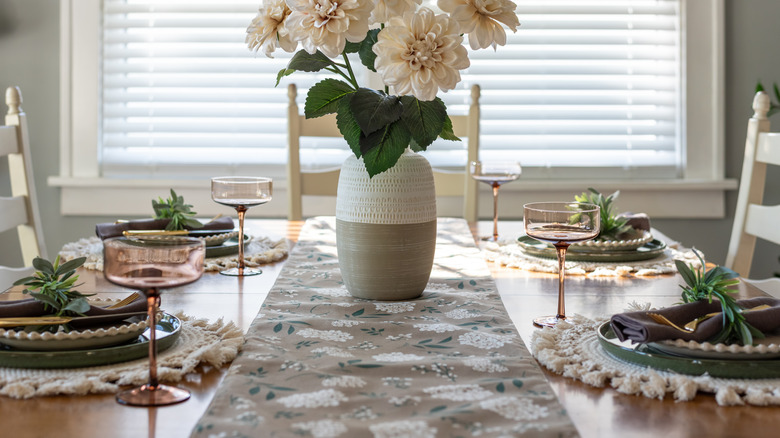
Just like matching furniture pieces mentioned earlier, overly coordinated table linens can also make a dining room look old-fashioned. Table runners and coordinating napkins are no longer in style in 2026 and may remind you of Christmas dinners at the grandparents' or a hotel banquet setup rather than a welcoming dinner at home. Traditional place settings can also be hard to keep clean when they are used every day. Many families prefer paper napkins for everyday use, and simple, more casual feeling placemats (or none at all) instead of a traditional table cloth.
If you really like the look of a tablecloth, try mixing and matching colors and textures from the same palette. Opt for sustainable fabrics, like recycled cloth, organic cotton, and natural linen. Polyester is a great option that resists stains and is easy to clean. Even wrinkled fabrics are more inviting than an overly starched table runner. Casual place settings indicate the table is ready to be used, not just admired.
Full fine silver sets feel finicky and stagey
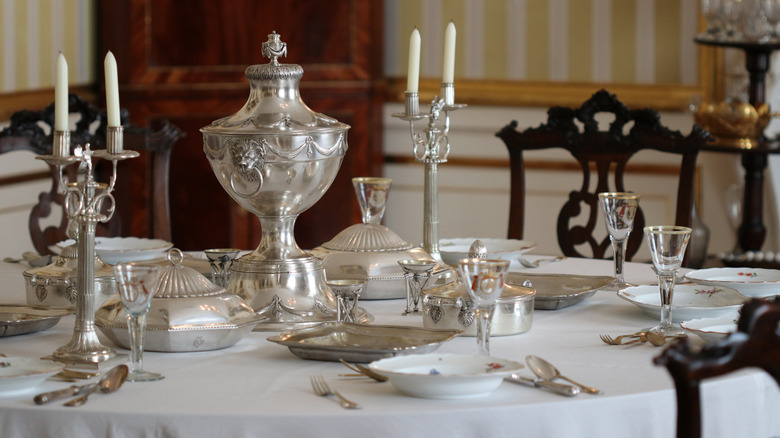
Once prized for its elegance and beauty, silver centerpieces, including trays, pitchers, and saucers, are on their way out for 2026. These pieces are hard to maintain, often requiring hours of polishing, and tend to look old-fashioned and dated. If you have sentimental pieces that you want to display, try placing just a few around the dining room rather than showcasing the whole set. You can even mount a single platter to the wall without overpowering the room.
It's important to note that while full sterling sets aren't as popular as they used to be, silver accent pieces seem to be gaining popularity. Silver delivers a timeless feel to your table when it's used correctly and sparingly. For example, a pair of silver candlesticks is the perfect centerpiece to make any table look stylish and sophisticated. Another option is to swap out metal with organic materials and sculptured pieces, which can also add interest to your dining room without the extra fussiness. While a full set of silver, complete with a gravy boat and tiered trays, can seem cluttered, tasteful sterling accents (like a small butter dish) can upgrade your space.
Imitation gold hardware
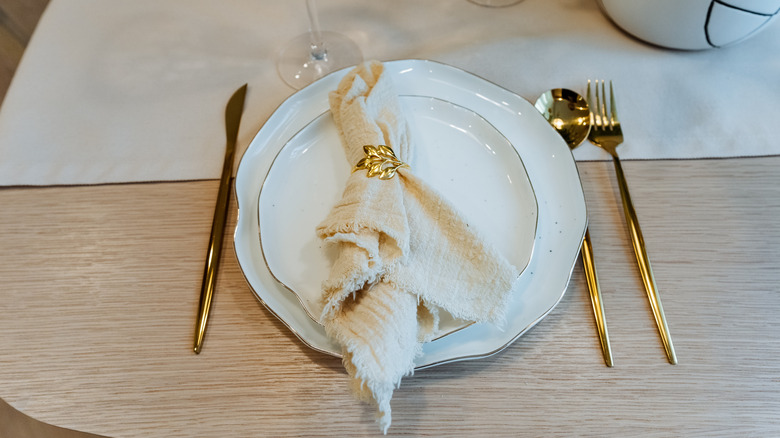
Like all home decor, silverware styles tend to change every few years. And, in 2026, gold flatware seems to be on its way out. These pieces were previously often seen in kitchens with brass faucets and gold handle pulls. Now, most designers say they just make a room look tacky and cheap, and agree you should say goodbye to all-gold hardware. This is especially true when the gold looks plastic or overly yellow. It can completely take away from the natural beauty of wood cabinets and other traditional pieces.
When selecting your next flatware set, look for stainless steel options that have some weight to them (this will give a true high-end feel that imitation gold is incapable of). If you truly like the look of gold, be sure to consider quality over color. A matte or brushed finish will still allow you to keep the gold color without it being too flashy. You can even try out a two-tone set like Oneida's Golden Michelangelo flatware featuring both gold and silver accents.