

How Road Side Salt Can End Up Damaging Your Plant Life
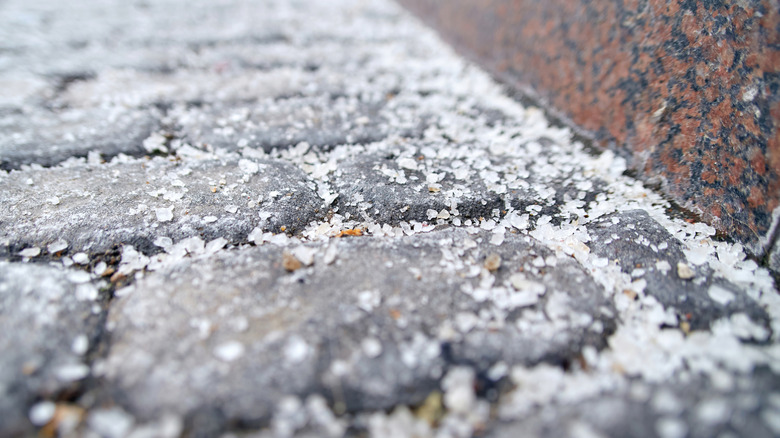
While road salt is a winter go-to for keeping our streets and sidewalks safe, common rock salt (made of sodium chloride) can act as a silent enemy to your plant life. This damage begins the moment passing car tires kick up melting deicer-filled snow onto your yard. This salty spray can coat evergreen needles and dormant buds in a crust that triggers winter burn, a type of dehydration that happens when water is pulled from the plant faster than it can be absorbed. And beyond the burn, there's another danger caused by residual road salt. When enough of it starts to build up in soil, it chemically creates a larger drought — essentially, the salt holds onto water so tightly that roots can't drink it up, leaving plants to wither even in wet ground.
In addition to dehydration, the ions in salt also kick out nutrients that are important to plants, like magnesium and calcium. This process effectively starves your plants while they're already struggling to survive the freezing cold. By understanding that road salt doesn't just melt ice but also changes your soil's chemistry (among the many other downsides of using too much deicing salt in the winter), it's easy to see why your roadside hedges end up looking scorched by the time spring rolls around. This invisible thirst is damaging, if not fatal, to your grass and any other plants in your yard. However, knowing about road salt's effects and what you can do to treat them puts you a step ahead of the pack in yard maintenance.
How to protect your greenery from road salt and do proactive recovery
To fight the effects of winter salt, try a springtime flush by heavily watering the soil near any walkways or roads as soon as the ground thaws. Doing this helps wash concentrated salt away from your plants' roots. For a more advanced fix, you can add some gypsum to affected garden beds; the calcium in gypsum can help push out any lingering salt from the root area and restore healthy air and water flow.
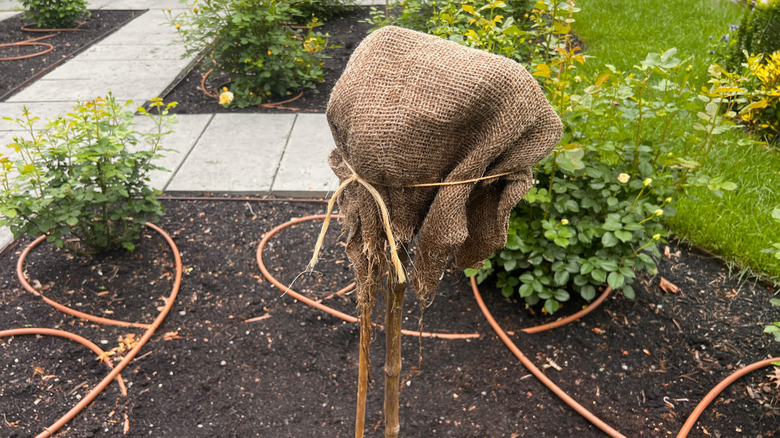
If you're tired of the yearly battle to protect your garden from deadly winter salt damage, consider planting salt-hardy options like daylilies (Hemerocallis) or blue spruce (Picea pungens) instead of sensitive species like Eastern white pine (Pinus strobus). You can also set up burlap around any specific trees or shrubs you're worried about before winter comes. For maximum effectiveness, use enough burlap to wrap around each plant at least twice. This can help block the salt from reaching plants to begin with, especially when combined with an insulating layer of mulch.
Protect your yard further by choosing safer deicing alternatives for plants. For example, non-sodium options like calcium chloride and magnesium chloride are a bit kinder to roots than standard rock salt. If you want extra traction on ice without the chemical risk, try spreading sand or even organic birdseed on slippery spots. By taking these steps, you can keep your walkways clear of ice while ensuring your landscape remains lush and thriving once warm weather returns. Balancing safety with a vibrant garden is possible with a little bit of seasonal foresight and planning.