

The Garden Trend Gaining Popularity In 2026 That Promotes Smart Water Usage
We may receive a commission on purchases made from links.
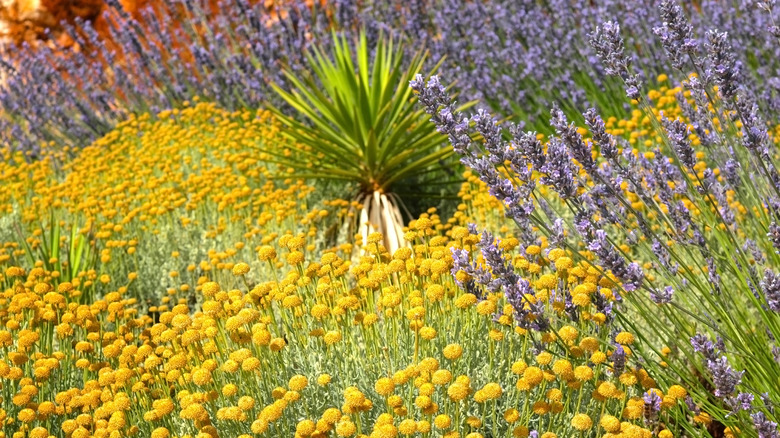
A method that makes gardens both more alluring and more water-efficient is moving from the sidelines to the main stage. Gravel gardening sits under the umbrella of xeriscaping, a set of sustainable landscaping practices meant to reduce the need for watering, and it's trending for 2026. As xeriscaping expands in popularity beyond the Western United States, where its benefits were studied in the 1980s, landscapers, designers, and everyday gardeners are trying out the specific xeriscaping practice of using gravel in place of soil or organic mulch to lock in water and control weed growth while creating a striking visual impact.
Several signs point to people embracing of this trend. Horticulturist Jeff Epping will release a book in 2026 titled "The Gravel Garden," offering inspiration and practical advice on nestling perennial plants in a gravel layer to create stunning garden landscapes. The Pennsylvania Horticultural Society predicted it will be popular throughout the year, according to the Bucks County Herald. Municipalities have already turned to gravel gardening for recent projects; in 2024, for example, the Madison, Wisconsin Parks Division transformed the main entrance of a renovated government complex into a gravel garden.
Using gravel to create resilient gardens makes sense in a world with a changing climate, where the water supply in rivers is threatened. It's also a way to save on water costs as they increase. Depending on your usage, implementing xeriscaping measures, like a gravel garden, has the potential to cut your water bill in half. The xeriscaping trend can help your garden in a drought as even the grasses used in these gardens are varieties that do well without much water or go into dormancy during dry stretches, so you won't find yourself choosing between using your water rations or looking at an unattractive ground cover.
How to embrace the gravel garden trend in 2026
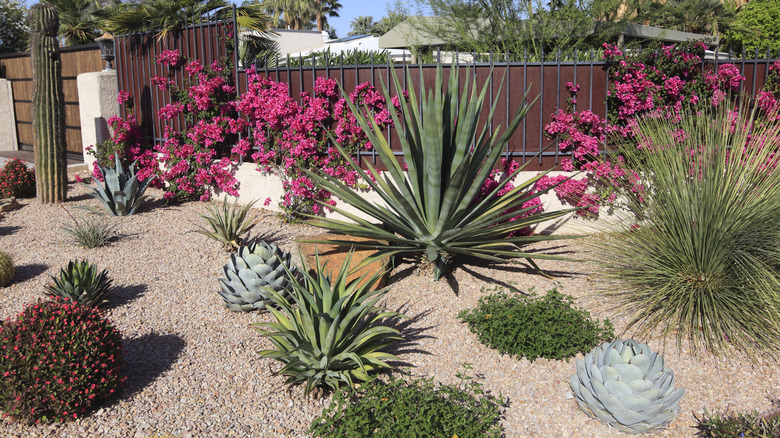
Naturally, a layer of gravel is key to this trend, but there's flexibility in how much you use and which plants you nestle among it. Before laying down gravel, check your soil composition. The soil should have 3% to 5% organic material and may require a bit of composting. It will also be important to hold the gravel steady by anchoring your garden to the side of a building or using borders like stone pavers.
Once that's in place, spread a four to five inch layer of gravel and dig into it get your plants settled. Pea gravel and granite are popular and effective materials to try. Another way to personalize the trend is to simply use half an inch of gravel as a mulch around your plants while larger rocks work like accent pieces. If you have the right plants for your area and use these materials strategically, the garden might not need much more than rainwater, but some gardeners add in efficient irrigation systems.
Contrary to a common misconception about xeriscaping, you don't have to cultivate a garden full of succulents if that's not in line with your local climate or preferences. You can choose from a wide range of plants, from Mediterranean herbs to different types of prairie grasses like switchgrass (Panicum virgatum), buffalo grass (Bouteloua dactyloides), and the colorful prairie dropseed (Sporobolus heterolopsis). Successful gravel gardens feature clusters of plants with similar water needs together. This enables smart water usage and is also a way to create a color palette based on plant hues. Sprinkling in flowering perennials like pale purple coneflower (Echinacea pallida) and stonecrop (sedum) enhances that effect. Even drought-tolerant plants need deep watering, but as they establish themselves, they'll need it less often.
Is gravel gardening right for you?
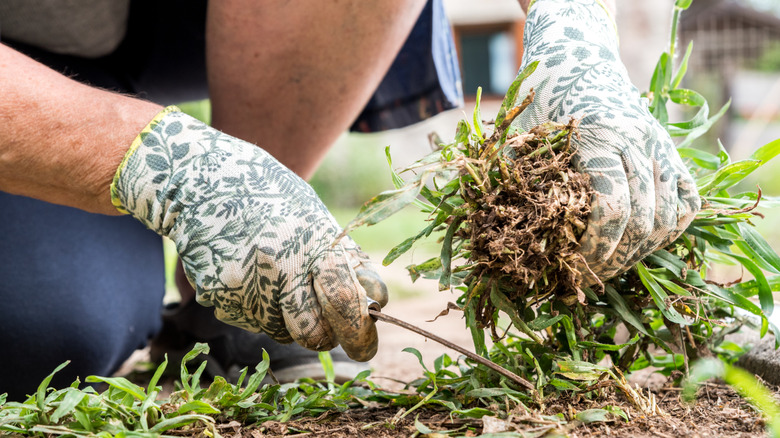
While there are many good reasons to try gravel gardening, it's not for everyone. The process of getting started can be laborious, as you rip out water-loving plants or a traditional lawn, blanket the soil with gravel, and swap in hardier plants. Even though it should lead to savings in the future, you may have high up front landscaping or material costs. Preparing the yard or garden could involve major changes, like re-shaping slopes where water rolls down too quickly or installing drip irrigation. The need to replace the gravel as it wears away could also become burdensome.
Your local climate also determines whether a gravel garden will hurt or harm your garden. If the weather where you live is very hot, for example, gravel's tendency to hold in heat can work against your plants. There are some practical concerns that could make it a poor fit; it may be less than ideal for families that rely on a lawn for recreation, or people who need to roll strollers or wheelchair over their yards. Also, if you're hoping for bright flowers to take over your garden right away, it's best to go slowly by turning only part if your space into a xeriscaped gravel garden, since many native perennial plants don't bloom in the first year after planting. They spend that time growing the healthy roots that make them able to withstand drought in the years to come. Finally, rules imposed by homeowner associations can be a barrier. If you're dealing with these restrictions, you can still incorporate native plants that thrive in dry climates into a more conventional garden to save water.