

The Headboard Color Practically Every Designer Regrets Trying

Picking out a new bed is an excellent opportunity to create a calm retreat right in your own home. However, despite many people gravitating toward white or soft cream upholstered headboards — aiming to make a room feel more open, clean, and high-end — professional interior decorators often find themselves wishing they had talked their clients out of the purchase just a short time later. While the overall look is beautiful in a showroom or an advertisement, light-colored fabrics are notoriously unforgiving when it comes to the wear and tear of daily life. Even in a home without pets or children, a light-colored headboard collects dust, stray hair, and natural oils.
Choosing a light, neutral color might seem like a safe bet, but it creates a high-maintenance situation that many people grow to dislike. Designers who have seen these pieces age know that the clean look doesn't last very long. Once the fabric is lived in, it can develop spots or discoloration from leaning your head against the fabric. This is why many professionals lean towards darker colors or other materials like wood or metal, or recommend following the headboard trend that can make your room feel warm and balanced.
Why light-colored upholstered headboards show stains so easily
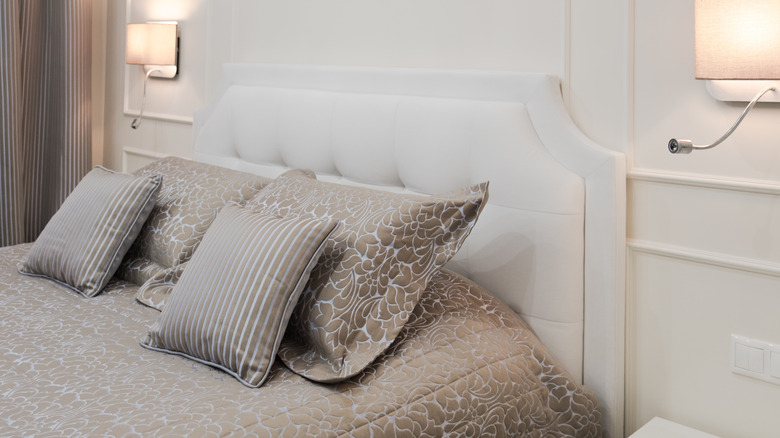
The biggest headache with light-colored headboards is how they react to everyday use. Every time someone leans back to read a book or scroll through their phone, the fabric absorbs natural oils from their skin and scalp. Even the cleanest hair has oils that gradually create a dull, yellowish mark on white or beige material. Since headboard fabrics are often porous, they pull moisture and grease deep into the center, where it becomes trapped.
Unlike wood or metal frames that stay clean with a quick wipe, fabric headboards hold onto moisture from wet hair and sweat, as well as residues from lotions and makeup. This buildup can permanently change the color of the fabric, and the area where you rest your head will look darker than the rest of the piece. Light-colored fabrics also show dust from HVAC vents and pet dander. On darker headboards, the dust is less noticeable, but on a light background, it shows as a grayish film that makes the furniture look old and neglected. To avoid this, look towards new headboard trends taking over bedrooms.
How to maintain a light-colored headboard and prevent damage
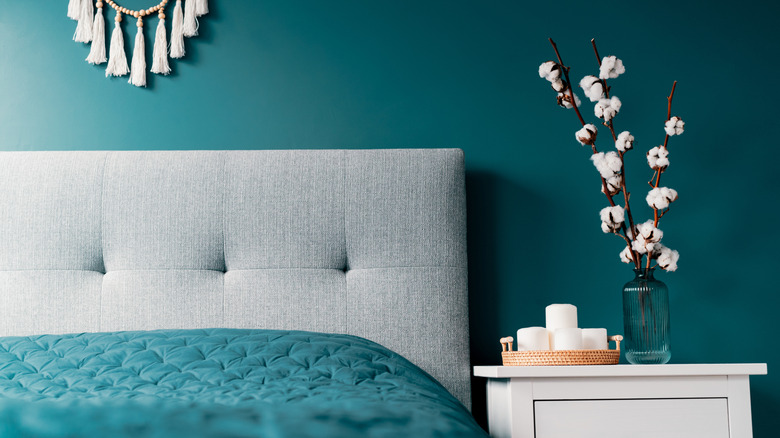
Protecting a light-colored headboard requires regular cleaning to keep it looking new. Owners should vacuum with a brush attachment every week to pull out dust before it settles deep into the fabric. Using a fabric protecting spray immediately after the bed is set up can also help create a layer that prevents oils from soaking in too quickly. It also helps to keep clean pillows between your head and the upholstery to prevent direct contact with your hair and skin. If something spills on the fabric, it's best to gently dab the spot with a dry, clean cloth rather than to aggressively scrub it, since scrubbing can damage the fabric and make the stain look worse than it originally was.
If you have a light-colored headboard and aren't interested in buying a new one, keep in mind that maintenance is important, since it's the one germy item you're forgetting to clean in your bedroom. Treat stains as soon as possible to keep them from setting, which can make them impossible to remove. Some fabric headboards can be cleaned with a damp cloth and a gentle cleaner, but you need to check the fabric label to ensure it's safe. Some people even use a washable slipcover to protect their headboard. While that might seem like a lot of extra effort, it's often the best way to make sure the fabric looks newer for longer. By treating it with a bit of extra care, you can enjoy your lighter-colored headboard without having to replace it every few years.