

Homes Are More At Risk For Dryer Fires In January. Here's How To Prevent Them
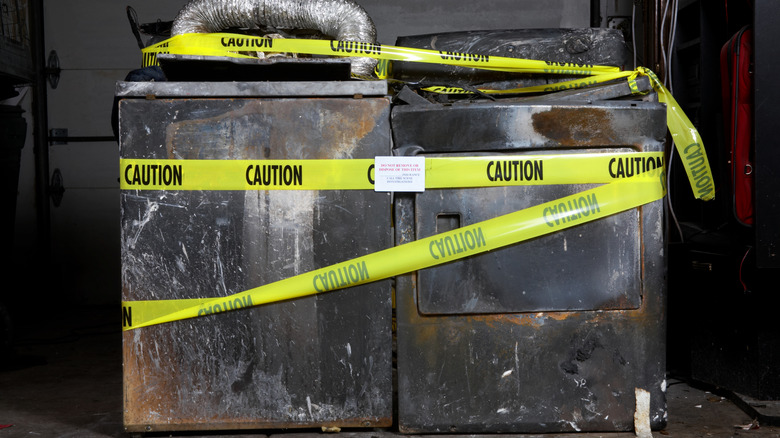
The heavy blankets and thick sweaters you rely on to survive the January frost are the same items that put your laundry room at risk. Winter fabrics like wool, fleece, and heavy knits produce a much higher volume of lint than the thin cotton clothes worn during the warmer months. Following some tips to prevent dryer vent buildup helps manage the extra lint as you wash load after load of bulky bedding and clothing. Without taking some precautions, your dryer works overtime, pumping out high temperatures to dry the thick materials. This creates a potentially dangerous scenario where a lot of loose lint meets an overworked heating element in the dryer.
Most people assume the small mesh screen in the lint catcher grabs every bit of debris, but fine fibers can get through or past the filter. These can settle deep inside the machine and throughout the exhaust system. Because the air is so dry in winter, this lint becomes easy to ignite. A single spark from a strained motor or a heating coil can turn laundry day into a house fire in a short period of time. Preventing a dryer fire includes cleaning the lint trap, maintaining airflow, and having the right type of dryer vent.
Cold outdoor temperatures cause lint to clog your dryer vents faster
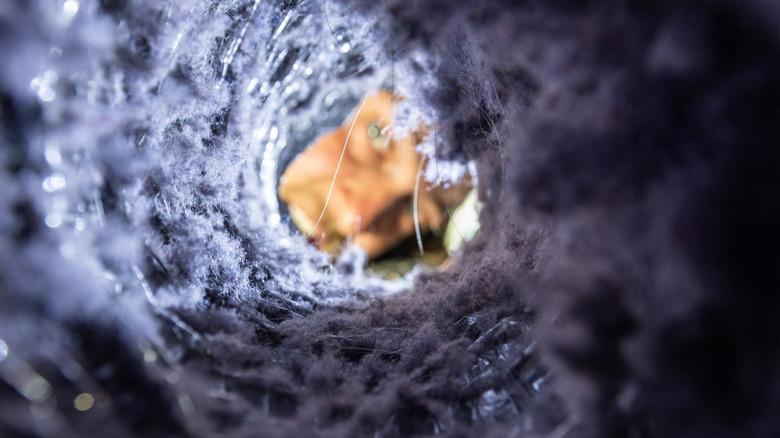
Freezing weather outside changes the physics of how your dryer breathes. When the hot, humid air from your laundry comes into contact with the ice-cold walls of the exhaust pipe, the ice immediately turns back into liquid water. This condensation creates a gummy material that glues itself to the interior ductwork rather than blowing out the external vent. Over time, these layers of damp debris harden and narrow the passage, forcing the dryer to work much harder to push air through. Some common signs that you need to clean your dryer vent include a burning smell when running the dryer and clothes taking too long to dry.
A report from the U.S. Fire Administration shows that the simple act of neglecting to clean these blockages is the leading factor in home dryer fires. When the airflow is restricted, the internal thermostat may fail to regulate the heat properly, leading to a buildup of thermal energy. If the machine cannot get rid of the heat by exhaust, the lint trapped in the pipe or in the dryer itself can reach a point where it catches on fire.
Proper maintenance steps keep your dryer running safely all winter
Keeping your home safe requires a bit more than just cleaning the lint trap. You should make a habit of vacuuming out the slot where the lint screen sits, since debris often falls down into the housing where it can reach the heating element. It's also a good idea to inspect the transition hose behind the dryer to make sure it isn't crushed or kinked, which can limit airflow. If your dryer uses a plastic or foil accordion-style hose, it should be swapped for a rigid metal pipe. Metal ducts have smooth inside walls that prevent lint from catching and offer much better fire resistance.
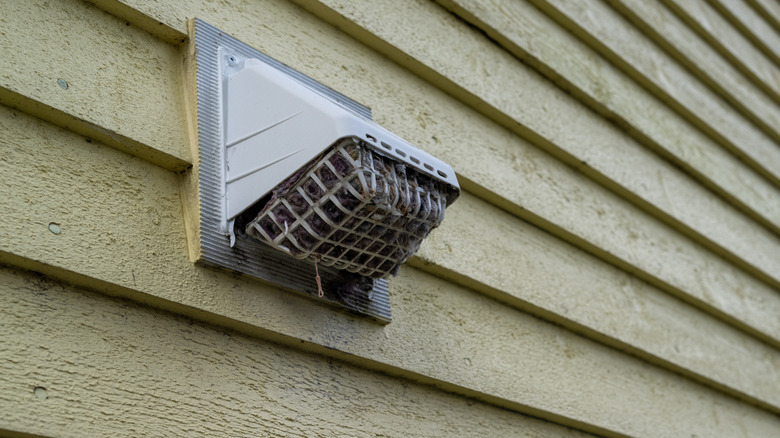
Outside your home, check that the dryer exhaust flap isn't blocked by snow drifts or frozen shut by ice. If the flap can't open, the hot air has nowhere to go but back into your house. Not cleaning your dryer vents as often as you should makes these types of blockages even more dangerous. Taking the time and checking for these issues every January helps your dryer run more efficiently and gets rid of any extra lint that could potentially catch on fire.