

Make Safety Your New Year's Resolution And Declutter And Re-Organize This Household Staple
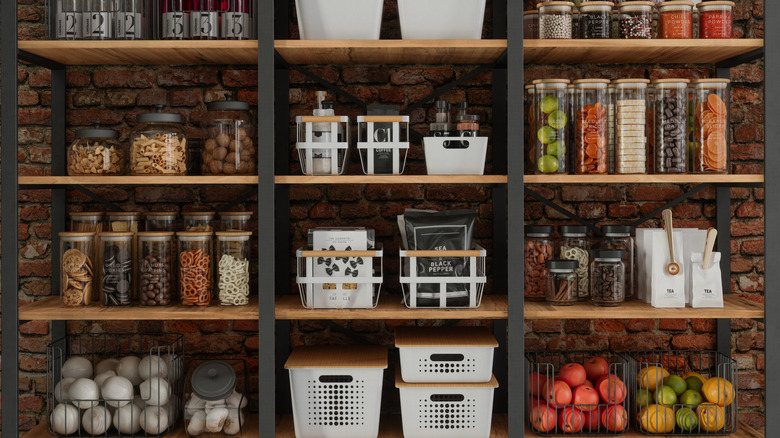
January is the time for New Year's resolutions as many people pledge to improve their lives and often, their homes. As you prepare for your fresh start this year, make sure it's a safe year by decluttering and reorganizing your emergency supplies. It's a great time to take stock of the contents, looking for anything that needs replacing or replenishing. And because you never know when disaster will strike, you also want to ensure you can easily exit your home with needed items in case of a fire or evacuation order.
Emergency readiness is an important topic any time of year, but as the calendar rolls around to January, it presents a good opportunity to prepare your home for disaster. Winter storms may bring heavy ice and snow, leading to power outages, sometimes for days on end. Throughout the western region, fire risks persist, especially in times of ongoing drought. As the seasons change from winter to spring, it means the arrival of peak tornado season for the Plains and Gulf Coast, while the summer follows with hurricane season and increased wildfire risks due to drier conditions. Yet as the potential for disaster arrives, your stash of emergency supplies may be low, expired, or missing items, or simply not be stored properly. First aid kits, in particular, have limited shelf lives as ointments, medications, and other treatments can expire or degrade over time. By decluttering and re-organizing your essential home emergency supplies now, you can save yourself stress and last-minute preparation.
Decluttering and organizing your emergency supplies
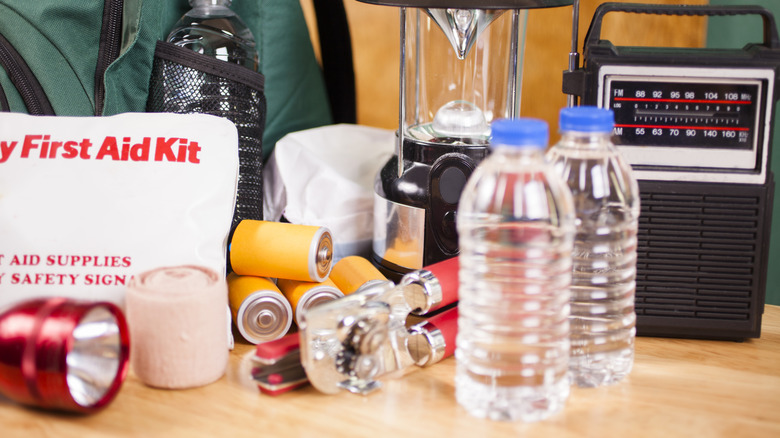
Collect your supplies in one spot, then begin decluttering by looking for anything expired or broken, discarding anything past its prime. If you purge any damaged or expired items, keep a list of what to replace. Test your batteries and flashlights, making sure they work. Check to see if you have enough of the recommended household emergency supplies, including a two-week supply of nonperishable food, and if storing canned goods, a manual can opener. Collect and organize important documents needed in case of an emergency in a fire-proof safe, placing the key in an accessible spot. Safeguard items like your insurance policies, passports, medical information, and mortgage paperwork. And update your emergency kit with local evacuation information so you can follow it later. Gather everything together in a large duffel bag or storage trunk to keep it secure.
Once you've gone through all of your emergency supplies, finish your home safety check by looking for any blocked exits, checking all windows to ensure they open easily, and removing any fire hazards including frayed cords. You should also test your fire and smoke alarms, and if present, the carbon monoxide detector, replacing batteries as needed. It might even be a good time to go over exit plans with your family so they know what to do in case of an emergency. Completing this declutter reset may take you some time now, but it can help save valuable minutes if disaster strikes.