

Backyard Projects And Landscaping That Don't Require Any Permits
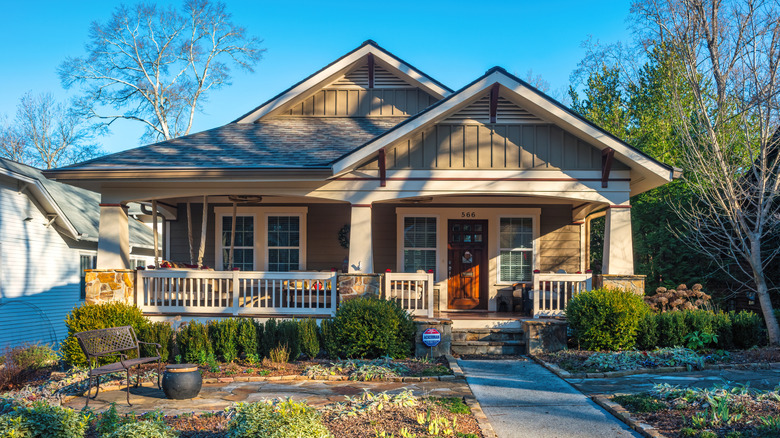
Before you grab the shovel, gloves, and loppers, there's something you should know: many landscaping and outdoor projects require permits, just like indoor renovations. Constructing a luxurious, built-in outdoor kitchen connected to gas lines? That needs a permit. Adding a permanent pergola? Yep, you'll probably need a permit. Installing a pool? That one definitely needs permits.
If you don't want to jump through hoops and cut through red tape to secure permits, you're in luck. There are still plenty of outdoor projects you can tackle without an inspector looking over your shoulder. Most planting projects, including trees, flowers, and sod, fall into the permit-free category. Projects that aren't hardwired — like solar-powered lights or water features with no wiring — are allowed. Small structures, like low retaining walls and short fences, may not need a permit, either.
However, building permits are not standard across the country. That means your local authority might require the permitting process for something that seems simple and wouldn't normally require that level of oversight. Alternatively, the specifics might vary. In many areas, you can install a retaining wall under 2 feet without a permit, but some cities might establish a different height. That's why you need to check local permitting guidelines for outdoor projects before you begin. It's also important to consider the scope of your project — some landscaping work could go either way, depending on how involved the project is.
Planting trees on your property
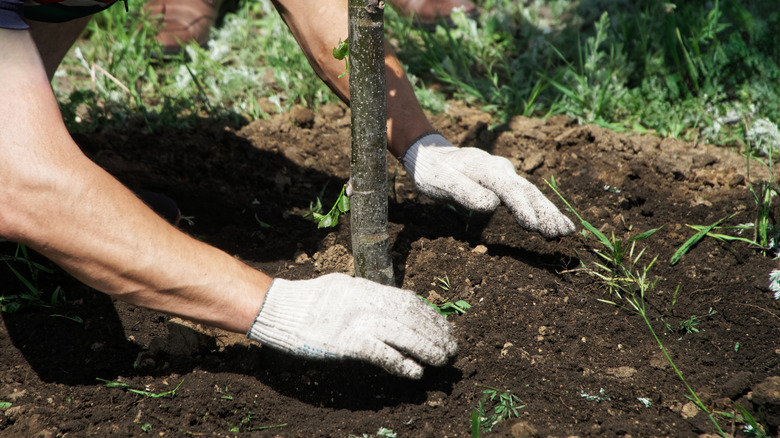
Planting the right trees can help reduce your heating costs during winter and keep you cooler in the summer. They also enhance the look of your property — especially in a new development without mature trees — and could increase your property value. Good news: you can usually plant trees on your property without a permit — just avoid planting trees in the right of way, which is usually the area between the curb and the sidewalk along the property lines of your house. Without the guidance of a permit, it's up to you to choose the best type of tree (with an appropriate mature height) and planting location to avoid interference with utilities, your home's foundation, and other structures.
However, there are some exceptions for planting trees that do require a permit. One of those situations is planting a tree in the right of way. Many cities require permitting for trees within that right of way area, which could extend a bit into your yard beyond the sidewalk. That way, the government entity can ensure the tree won't cause problems for cars, pedestrians, utilities, and other structures in and near that area. Another potential tree-planting situation where you could need a permit is exceeding the guidelines for the maximum disturbed area. In many municipalities, landscaping projects that disturb more than 2,500 square feet (or another specific amount) require permits, even if a similar smaller project wouldn't require one.
Planting flowers or creating a small flowerbed

Whether you're planting flower bulbs in fall or annuals in the spring, you can generally add colorful flowers to your yard without a permit. In fact, planting almost anything is safe to do without a permit in most areas since it doesn't have a major effect on the environment. However, there could be limitations on planting flowers in the right of way. Some cities prohibit it or only allow a certain amount in specific areas, such as around a mailbox. Of course, you also run the risk of your right-of-way plantings being damaged if the city has to do work in the area.
The disturbed area caveat is likely the only issue you'll run into with planting flowers. Keep in mind that it's the total disturbed area that matters during a project. Even if you only plant 1,000 square feet of flowers, you'll likely need a permit if you're also planting trees or doing other work that disturbs more than 2,500 square feet (or the maximum in your area). Say you plant multiple flower beds around your property — you'll need to add up the total area to make sure you're under the permit requirement.
Installing sod or reseeding your lawn
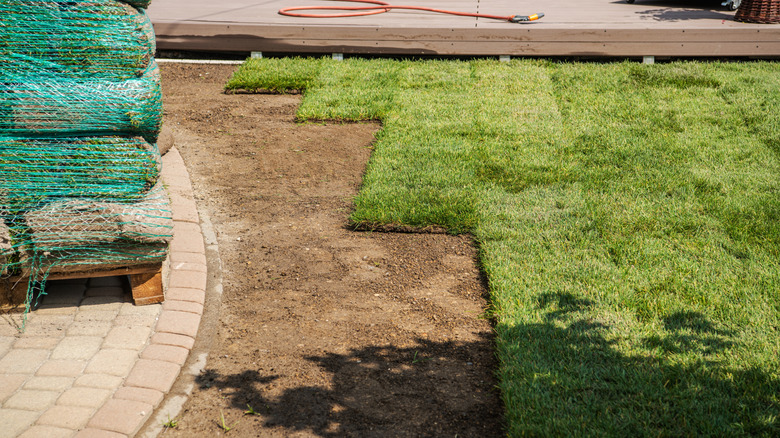
If you're thinking about sodding your lawn, you likely have questions. Will a DIY sod installation save you money? Is sodding better than seeding? Will sodding require a permit? Some of the questions could go either way, but the permit question is relatively simple: you usually don't need a permit to lay sod or reseed your lawn. You also don't need a permit to handle routine lawn and landscaping care, in general.
If you're completely renovating your yard, you could venture into territory that would require a permit — specifically, if you're changing the grade of your property. While some municipalities have different guidelines, a common one is that grade changes of more than 24 inches require a permit — it doesn't matter if you're adding soil or taking it away. Grading is often a part of the sod installation process, as it creates a level surface for the rolls of grass and ensures there is appropriate drainage. If you're just doing minor leveling, you might not hit the threshold that requires a permit, but more extensive work could.
Creating a paver walkway or patio
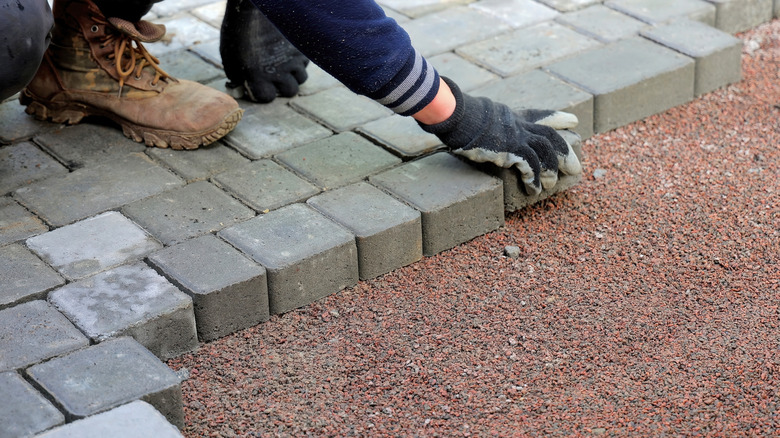
When planning a paver patio, there are potential drawbacks, but getting a permit usually isn't one of them. Since paver patios and walkways aren't considered permanent structures, they usually don't require a permit. You could easily remove the pavers, unlike a poured concrete patio, which would be considered a permanent structure and require a permit.
Your patio or walkway project could require a permit in certain circumstances. For example, an integrated fire pit built into the patio often requires a permit. The entire project is subject to the disturbed area permit requirement if you're disturbing more than 2,500 square feet. You might also need a permit if you're doing major grading changes to accommodate the patio, but it could also run into issues if it exceeds the impervious surface allotment. For environmental reasons, some municipalities limit how much impervious surface area you can have on your property. Exceeding that amount doesn't necessarily determine whether or not you need a permit, but it could affect how you proceed with the project (and whether or not plans will get approved for a permit).
Replacing boards on a deck
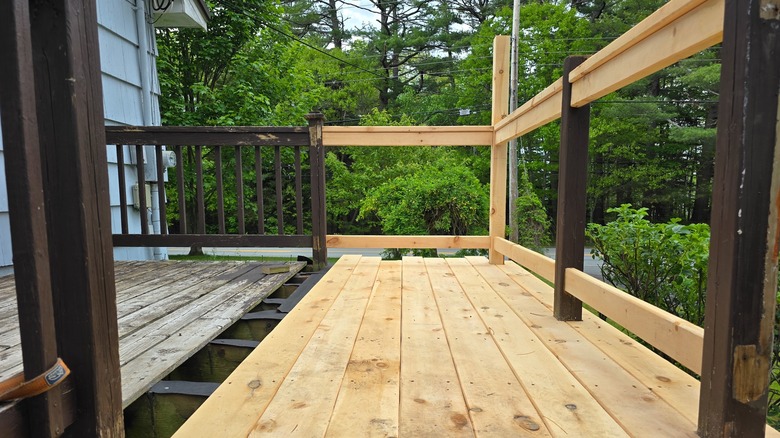
Building a new deck typically requires a permit, but you can often fix or update an existing deck without going through the permitting process. That includes replacing decking boards that aren't in good condition or railings that you want to replace or upgrade. For example, you might replace a few boards that are rotten to improve the safety of the deck. Perhaps you want to make some cosmetic changes, like staining the deck, changing to a decorative metal railing, or installing post-top lights — you shouldn't need approval for those projects.
The rules change if you need to work on the structural support system for the deck. You'll also likely need a permit if you make a significant addition to the deck, such as extending the deck or adding a roof to turn the deck into a porch. Essentially, if you're permanently changing the structure of a deck or porch, the work requires a permit — temporary or cosmetic changes are usually safe to do on your own, but always do your due diligence.
Building a short retaining wall
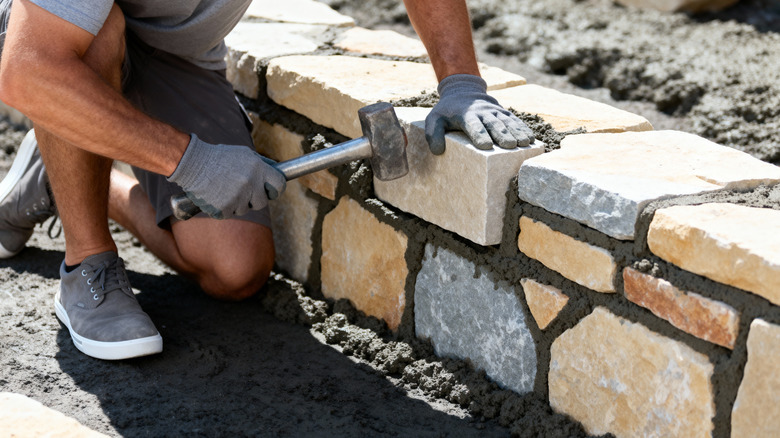
Retaining walls can be tricky when it comes to getting approval — some projects will need a permit while others won't. The deciding factor is often the height of the structure. A common limit is 2 feet — if you keep your retaining wall under that measurement, you can likely do it without any governmental oversight. Some areas allow for higher retaining walls — sometimes up to 4 feet — with no permit. Other municipalities might require a less stringent site plan review for shorter retaining walls that don't require a permit. That's why it's important to check with your local building authority to ensure your project is compliant.
The purpose of the wall and what's behind it could also dictate whether or not you need a permit. Retaining walls with soil behind them — especially when they're meant to support the grade of the soil — will likely need a permit. If you change the grade of the yard by more then 24 inches as part of the retaining wall project, you'll also likely need to apply for a permit.
Installing a short fence

Fences are similar to retaining walls in that the height often determines the permitting requirements. Height limits vary by municipality, but you can usually build a fence up to 4 feet in the front yard or 6 feet in the backyard with no formal permitting process. Shorter fences tend to have less of an impact on your neighbors or on the environment of the neighborhood than taller fences might. However, there are often still regulations for fences, including where you can put them and how far away from the property line they need to be.
If you're going to install 8-foot-tall privacy fence panels (or any fence higher than 6 feet tall), you'll almost certainly need a permit. Even shorter fences that serve a special purpose might require an application with the local building department. Pool fences typically require permits, for example. The documentation process might also be necessary if you're connecting the fence to a retaining wall or place the fence on top of the wall. If you live in a historical neighborhood, you might also need a permit, which could impact the material you use for the fence.
Installing solar-powered or plug-in low-voltage landscape lighting
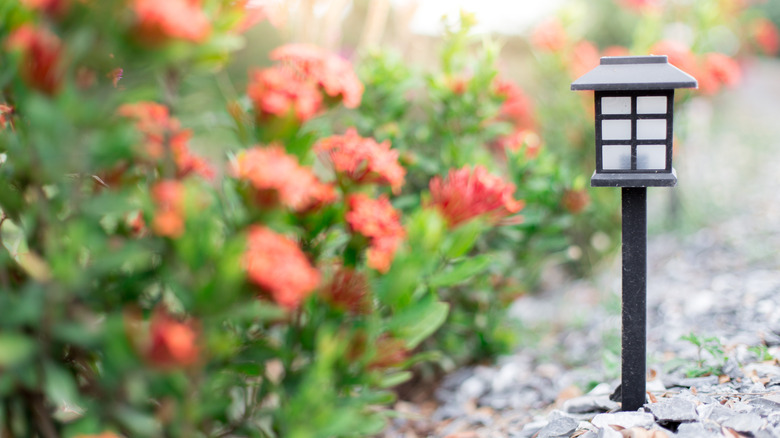
There are some downsides to solar lights you should know about, including a potential inconsistency in performance, but one major upside is that they don't require permits to install. It's an affordable and easy way to light your landscaping or pathways. Plug-in outdoor lights, which are typically low-voltage options, are also permit-free options for brightening your home's exterior. They're simple to set up, and they don't involve any actual wiring, which is often the regulated part of electrical work. Solar lighting doesn't connect to your electrical system at all.
Line-voltage outdoor lighting, which is 120 volts and usually hardwired, typically requires permitting. The higher power and increased risks associated with this type of lighting means there's more regulation over it. However, even a low-voltage lighting installation could require a permit if you're going to add or change the electrical circuits in your home to accommodate them. Permit requirements for higher-powered and more complex landscape lighting projects are in place to reduce the risk of fires and shock.
Building a small water feature with no electrical wiring
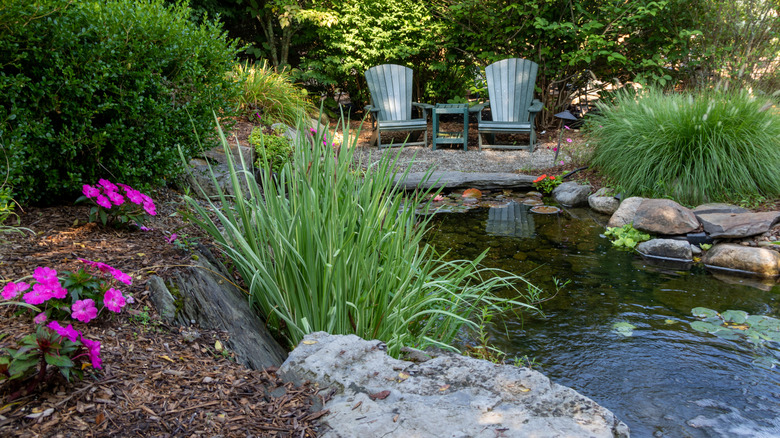
Water features are another outdoor project that can go either way when it comes to permitting projects. A small, basic pond or other water feature that doesn't include an hardwired electrical components likely won't require any approval. Depth is a main decider on whether or not you'll need a permit — you're usually safe with anything less than 18 to 24 inches deep, but this can vary by area. The pool's width can also impact the need for a permit — you may be free to build a backyard feature up to 300 square feet without one.
As your project gets more complex, the possibility of needing a permit increases. If you dig deeper than 18 to 24 inches, your pond might fall under pool regulations, which include permits and fencing. A water feature that's larger than the maximum square footage might also require the approval process. Adding a water feature can affect drainage and local habitats and could be a safety risk, which is why permits might be required for large, complex installations. If you're hard-wiring elements in the pond, such as lights, pumps, or filtration, you'll also need an electrical permit.
Installing landscaping edging
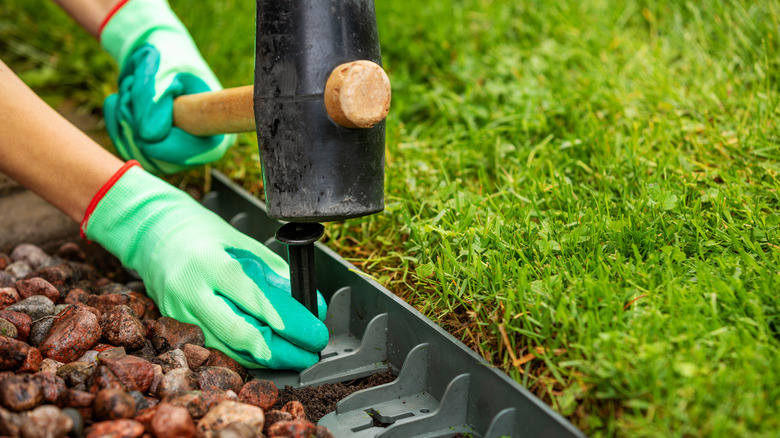
There are several types of edging that'll prevent grass from growing in flower beds, and none of them require permits to install in most areas. Adding a border to a landscaped area is considered a relatively minor project, and permits are meant for projects that have a significant impact on your yard and the environment. Building flower beds doesn't require a permit (unless they exceed the maximum disturbed area), and edging is typically part of that process. Permits are also typically for permanent structures, and most landscape edging can be removed easily, so it won't fall under this requirement, either.
Edging could become a permitting issue if it's part of a major yard renovation that disturbs more then 2,500 square feet. Another situation in which a permit could be required is if you build a stacked or retaining wall-style edge to your landscaped area. Then, it could fall under the retaining wall rules that often require permits for building higher than 2 feet.
Mulching your landscaped areas
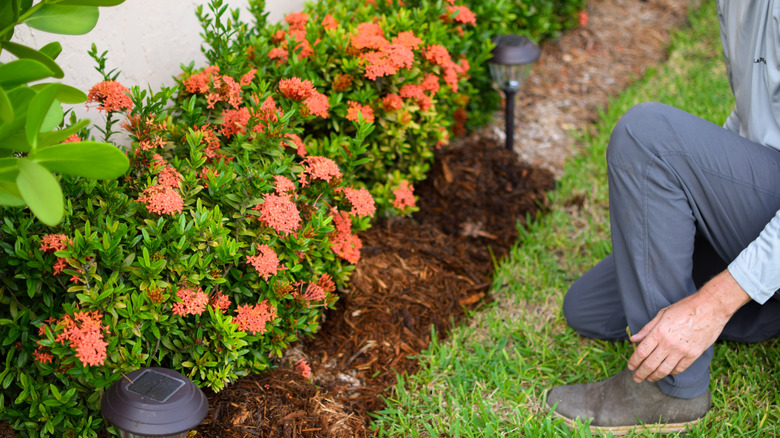
With so many ways to use mulch in your yard and garden, you'll be glad to know any mulching you've already done is typically legal without a permit. Mulch is a temporary landscaping project — you could easily remove it if you needed to. We already know that it's usually the permanent, major changes that fall under permitting guidelines. That being said, feel free to mulch your landscaping, especially in the existing beds that are already established.
Like other outdoor projects, mulching could become a permitted task if it's part of a larger landscaping change that requires permits. For example, if you're disturbing more than 2,500 square feet of the yard and mulching those areas during the renovation, you'll likely need a permit. If you're making a grade change of more than 24 inches before mulching, that landscaping project will typically go through the permitting process, too. In those situations, it's not the mulching, specifically, but the scope of the overall project that needs oversight from the local building authority.
Minor lawn regrading
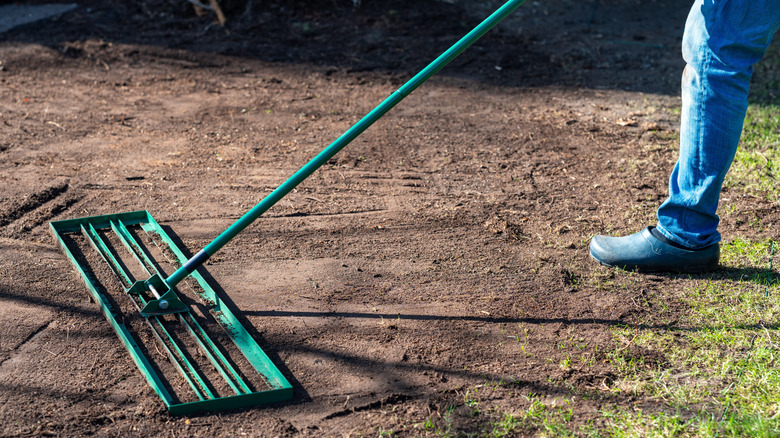
There are many reasons you might consider having your yard graded — improving drainage is often the reason, but grading can also smooth out the lawn, slow down erosion, improve the look, and prepare the site for a new landscape feature. Before you start adjusting the slope of your lawn, though, it's important to check the local regulations. Permits aren't usually required if you're changing the grade by less than 24 inches.
However, more significant grade modifications do require a permit — expect to pull a permit if you're changing it more than 24 inches, but your local government agency could have different guidelines that are stricter. It's also common for homeowners to hire professionals to handle those larger, more complex grading projects that are likely to need a permit — make sure you choose a contractor with knowledge of local permitting laws. Significant grade changes can impact more than your yard — the grade affects water flow and erosion, which could impact your neighbors, the storm sewers, and the roadways in the vicinity.
Pruning branches from trees
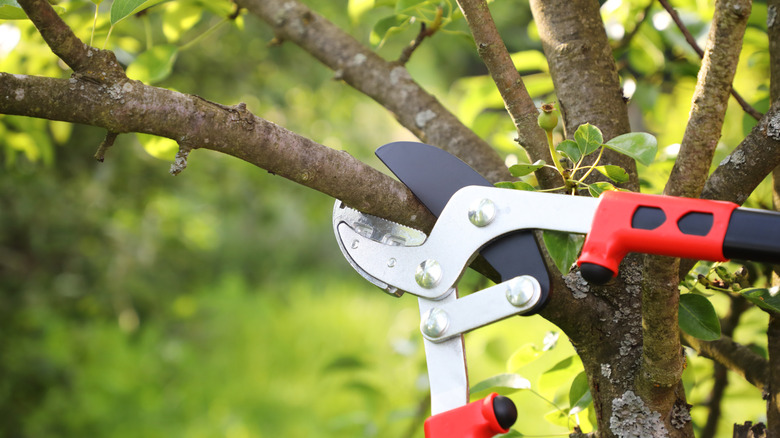
While there are many tree-trimming tools you simply can't go without, you can usually skip the permit. Like regular lawn maintenance, trimming your trees is mostly an unregulated activity since it's considered to be normal maintenance. Pruning is something that homeowners routinely do, as it helps promote growth, prevents disease, and minimizes safety issues (like dead branches that could break off at any moment).
It's possible that a local municipal entity will get involved if you're pruning a larger portion of the tree, though. Some cities require a permit if you cut off more than 30% of the foliage on a tree. The percentage could vary slightly, but many areas require the permit if you remove roughly a third or more of the tree. However, you won't likely remove that much at once anyway — the general guideline is to avoid removing more than 25% of the canopy yearly to protect the health of the tree. You might also need a permit (or at least written permission) to trim trees growing in the right of way. Some cities handle trimming those trees for you to maintain safety for pedestrians and drivers.