

The Curtain Upgrade That Will Help Keep Out The Cold This Winter

In the winter, we want to keep the cold air out of our homes and the warm air in. Windows can be one of the main culprits for cold air drafts. If you have single-pane windows, they can allow the heat to escape. Heat can also escape through cracks or weather stripping, and some windows may have low-quality or no insulation around the frame. If you feel a draft near your windows, that could be a sign that they are causing your heating bill to skyrocket. But new windows aren't an option for many homeowners because of the expense. Luckily, there's a solution. Just like in winter when you dress in layers, you can do the same for windows. Specialized drapery can act like a coat or blanket for windows to add some extra warmth and insulation, cutting heat loss by up to 60%. If you already have curtains, make sure you're getting the most energy savings by using curtain reflectors or an insulated lining.
Curtain reflectors can keep heat from slipping through the curtain and out through the window. They are made of a thick and reflective fabric that can be placed along the back of curtains to help keep the warm air in. This WLLEYAY Window Insulation Kit has a reflective aluminum side and a heavy cotton layer. This insulating curtain reflector can be placed directly on the window behind your curtains.
Some companies also sell insulated fabric that can be sewn to fit your curtains. These are heavy like a quilt, but could take some DIY skills like sewing. Alternatively, a non-reflective option like this Thermalogic Ultimate Thermal Energy Saving Blackout Window Curtain Liners can be hung on the backside of your curtains. Liners are thinner than the curtain reflector fabric, but still offer some insulating properties.
What to consider when adding a reflector curtain liner
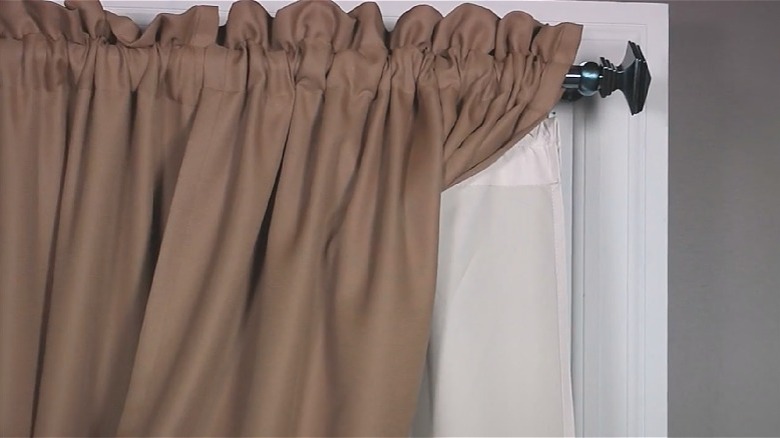
Before buying curtain reflectors or a liner, take a look at how your existing curtains are hung. Make sure that the new material you're adding will be compatible with the curtain rod, pinch pleats, or tabs. If you decide you need new curtains, heavier fabrics will be the most effective to keep the cold out, and many have a reflective or insulating layer built-in. This set of Yakamok 100% Blackout Curtains has both insulating and light-blocking properties. That will greatly increase the insulation power, especially when combined with a curtain reflector.
In addition, ensure your curtains are large enough to make a difference. Treatments like "café curtains" that don't cover the whole window won't do much to keep out the cold, even if you add a curtain reflector. Besides, they're now considered an outdated window treatment. It's best to choose curtains that cover the entire window and reach all the way to the floor. This way, cold drafts can't escape from underneath the fabric. You could even let a couple of inches of fabric puddle at the bottom. While that may seem like a decorating faux pas, it's actually a curtain tip that even HGTV stars swear by.
Fortunately, you'll only have to put up curtain reflectors once because they can stay up all year round. They reflect heat in the summer and can reduce cooling bills up to 33%. During the summer, keep curtains closed from 11am to 4pm to block both sunlight and radiant heat.