

Plant This Popular Crop In January For An Abundant Summer Harvest
Starting your garden while the ground is still frozen might seem premature, but tucking onion seeds into trays during January is the most reliable way to guarantee a massive summer haul. Most people wait for the spring thaw to buy small bulbs, known as sets, but these often result in smaller onions that are prone to flowering too early. This premature flowering, or bolting, happens because sets are already in their second year of growth, whereas starting from seed in mid-winter allows a fresh start. Because of how long it takes to grow onions from seed, starting in mid-winter allows the plant to complete its natural life cycle without stress. You give the plants a significant head start to develop heavy green foliage. The more leaves an onion has, the bigger the bulbs will be, as every leaf represents a single layer of the onion you'll eventually eat.
Timing is important because onions are sensitive to day length, which acts as the biological trigger for the plant to stop growing leaves and start forming a bulb. Long-day varieties grown in northern regions need the early start provided by a January sowing to reach their maximum leaf count before mid-summer. If you wait until spring to plant, the onion might only develop a few leaves before the long days arrive, resulting in smaller onions rather than larger ones. Getting those seeds in the dirt by January makes sure that by the time the long days of summer arrive, your plants have the energy to grow large and tasty.
How to grow onions from seed indoors during the winter months
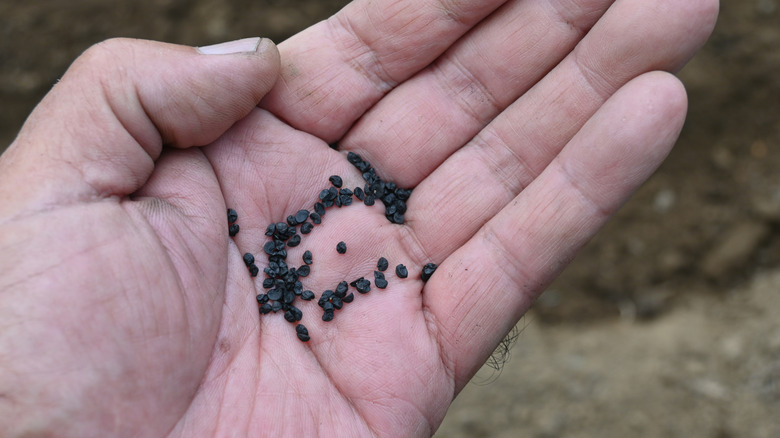
Cultivating the garden onion, or Allium cepa, from a tiny seed requires a little bit of shelf space and a steady light source. These hardy vegetables can survive outdoors in USDA Hardiness Zones 5 through 10, but they need months of preparation before they are ready for the elements. You should start by filling deep seed trays with a loose growing mix that's already been dampened, since onions need plenty of room for their roots to stretch out.
Scatter the seeds across the surface and cover them with a thin dusting of soil, keeping the tray in a warm spot until the first thin green shoots poke through the surface. Because winter sunlight is usually not strong enough on its own, putting the seedlings under a grow lamp is important, since not providing the correct lighting is a crucial mistake you should avoid when growing onions to prevent them from stretching and becoming weak. Trimming the tops back to about a few inches tall every few weeks is a helpful trick that forces the plant to focus its energy on growing a sturdy base instead of long, floppy greens.
How to prepare your garden soil for onion transplants
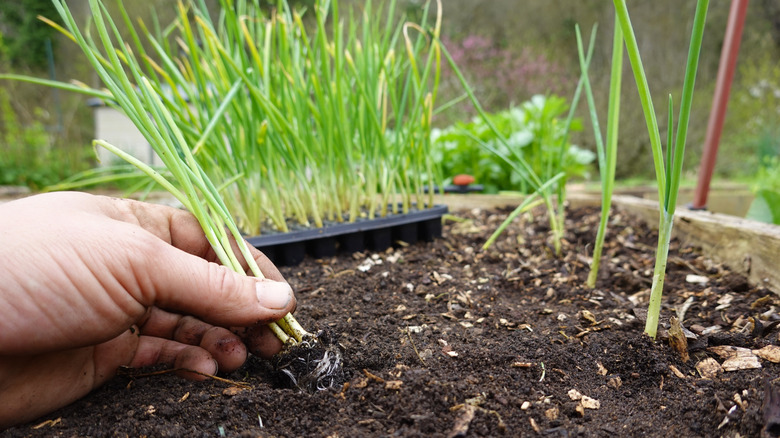
Once the spring weather settles and the soil is no longer a muddy mess, your indoor seedlings are ready to move to their outdoor home. Onions are heavy feeders that thrive in dirt that's packed with nutrition, so mixing in compost before planting gives them the food they need for the growing season. They prefer a sunny location with soil that stays loose enough for the bulbs to grow without being crowded.
When moving the seedlings into the garden, space them about 4 inches apart in rows to prevent them from competing for sunlight and moisture. These plants have very shallow roots that can dry out quickly, which makes consistent watering very important when the days start to get hotter. Keeping the area free of weeds is also important, since onions don't like to compete for space. Neglecting these needs are mistakes that are killing your onions before they can reach full size. If you give them enough room and plenty of water, those little January seeds will grow into large onions when harvest time rolls around.