

12 Lovable Features Commonly Found In Homes From The 1800s
We may receive a commission on purchases made from links.
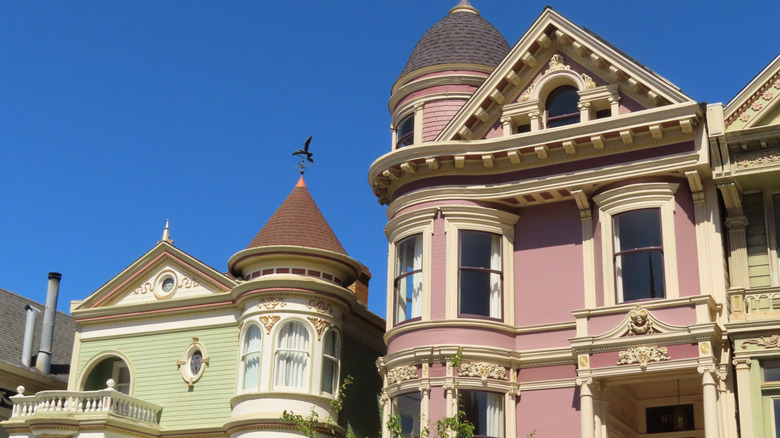
Houses from the 1800s were built with such a distinct style that it's almost impossible not to recognize a Victorian home when you come across one. Undoubtedly the most prominent architectural era of the 19th century — spanning the reign of Britain's Queen Victoria from 1837 to 1901 — Victorian houses are known for their charming character and grand details that set them apart from other historic styles. From the outside, they often have dramatic roofs with multiple steep points, along with decorative trim, and eye-catching tiled porches. Inside, they're filled with loveable features — from ornate fireplaces and beautifully designed radiators to decorative ceiling and wall finishes that add texture and elegance. With big bay windows, homes from the 1800s are also known for letting in plenty of natural light, and despite being the complete opposite of today's open-concept layouts, they still feel bright and open. This is thanks to architectural elements like plaster arches in hallways and glazed internal doors that allow light to travel throughout the space.
Thanks to the abundance of personality they bring to a space, Victorian features remain widely beloved today. Accordingly, some homeowners with more modern builds will even incorporate styles and details inspired by 1800s homes to add a touch of old-world charm and warmth. Below, we've rounded up some of the most popular features that can be found in the ultimate guide to Victorian decor; these are elements you can look out for in historic homes or incorporate into your own contemporary space for a timeless look.
Ornate fireplaces
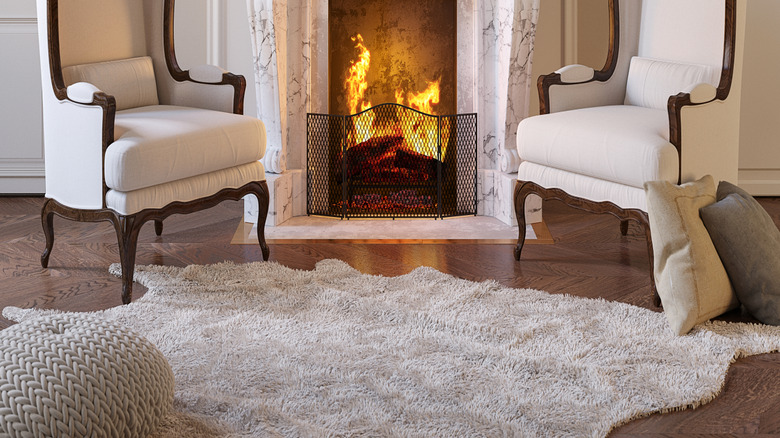
While wood-burning fireplaces certainly aren't exclusive to homes from the 1800s, the style of fire surrounds from this era was truly one of a kind. Like much of Victorian-era design, fireplaces were all about grandeur, which showed up in surrounds made from intricately carved wood or richly veined marble — sometimes even with gilded bronze detailing for added elegance. Often designed to be a feature focal point of the room, these fireplaces were also known for their decorative floral and nature-inspired tiles, as well as their elevated fireplace accessories, which were commonly crafted from polished brass and featuring decorative handles.
Tiled floors
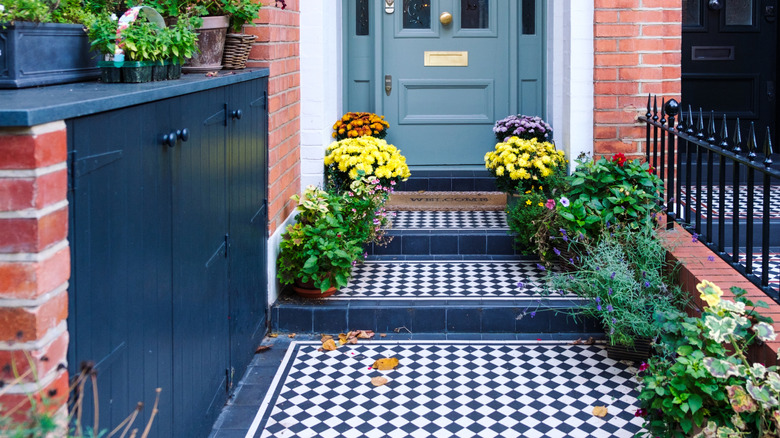
During the Victorian era, it was rare to come across a home without tiled floors. Tiled porches and entryways were especially popular, as were tiled kitchens. What sets Victorian-era tiled floors apart from those of other periods, though, is their distinctive design. Homes from the 1800s embraced bold geometric patterns, such as black-and-white checkered tiles. Mosaic and encaustic tiles were popular, too, thanks to their colorful patterns that added character. The stunning historic home design trend has been making a comeback in modern interiors, so if you find vintage tiling in your Victorian home, consider yourself a winner.
Ceiling roses
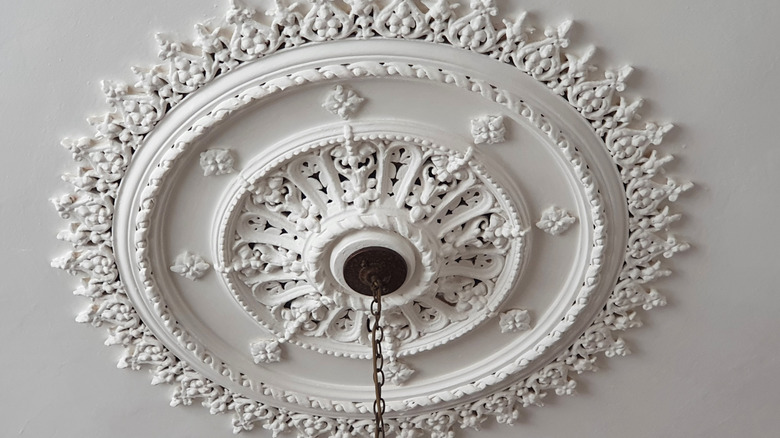
Although their initial purpose was to hide unsightly electrical wires for light fixtures, ceiling roses transformed into works of art during the Victorian era, often featuring intricate floral carvings and ornate detailing. Typically made from plaster, they were usually found in the center of a room, accompanying a central light fixture or chandelier, which is how they earned their sweet nickname "center flowers." Over time, this elegant ceiling detail became synonymous with Victorian design. Today, they remain a beloved feature in period homes thanks to their ability to bring character and charm to an otherwise plain ceiling.
Intricate cornicing
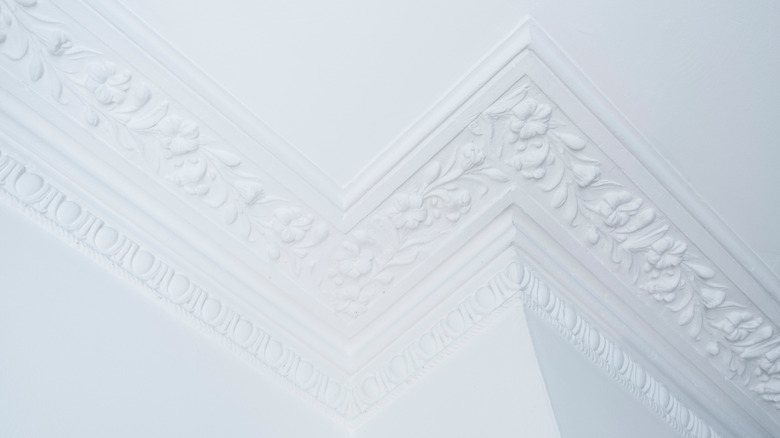
In the same vein as ceiling roses, intricate cornicing — the decorative moulding typically installed where the wall meets the ceiling — was a prominent feature in 1800s homes. Also made of plaster, these cornice details often showcased the same ornate floral and nature-inspired carvings seen in ceiling roses. They were most commonly found in public-facing rooms such as dining rooms and drawing rooms, where homeowners entertained guests. Unlike contemporary mouldings, which are much simpler in design, Victorian-era cornices added a level of character that is still desired by many.
Radiators
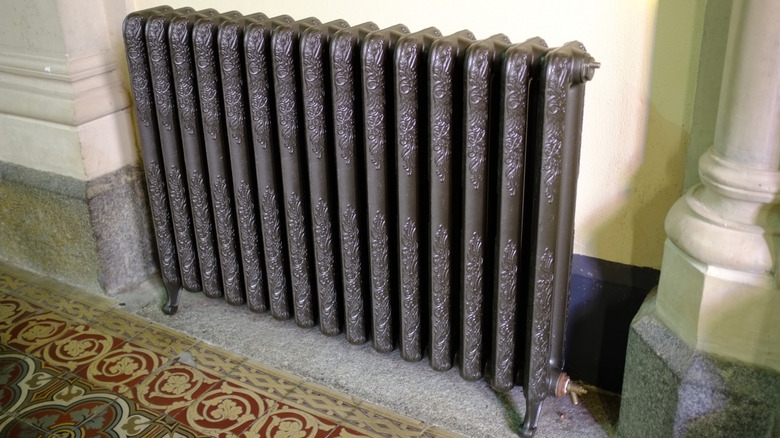
Although people may not have viewed radiators as charming features before the 1800s (their main purpose was to provide warmth during the winter months), it was during the Victorian era that they started being designed as works of art rather than purely functional pieces of the home. Typically made of cast iron, radiators from this period were in line with the overall style of Victorian-era interiors, featuring decorative patterns and motifs, including floral designs and scrollwork. Nowadays, radiators ooze nostalgia and can bring a level of timeless elegance to even the most modern of spaces.
Clawfoot tub
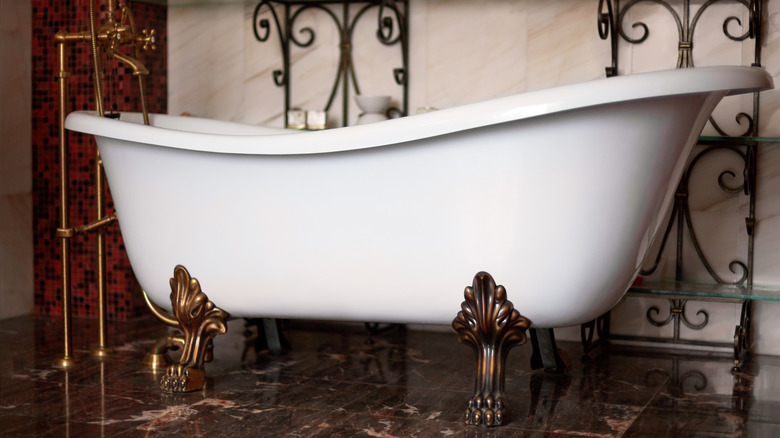
Having first become popular during the Victorian era, clawfoot tubs can bring instant old-world charm to your bathroom, which is why they've been having a resurgence in recent years. In fact, they're one of the top old-fashioned bathroom features trending for 2026. As you might expect, traditional Victorian clawfoot tubs scream elegance, often featuring heavy cast iron feet finished with a brass, bronze, or gold plating and shaped like lion's paws or other animal feet. Rather than blending into the background like a modern soaking tub might, clawfoot tubs naturally become a statement piece, which is part of their charm.
Beadboard wainscoting
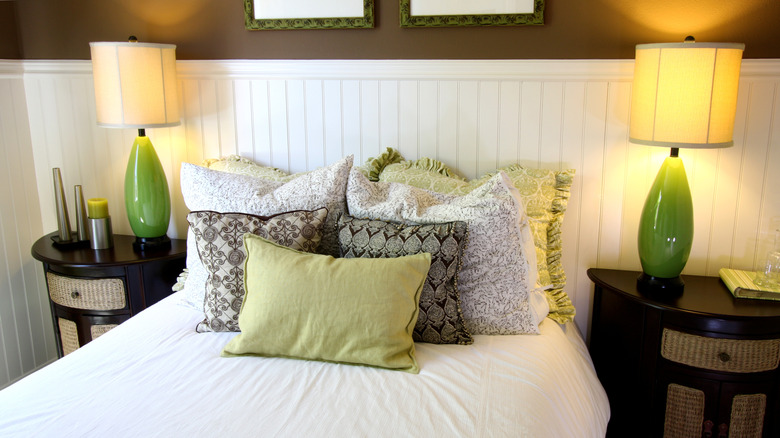
Often added to modern homes as a way to introduce more character, warmth, and texture, wainscoting is a feature that's often associated with period properties, especially Victorian-era designs. One particularly popular style at the time was beadboard wainscoting, which runs along the lower half of the wall and is known for its vertically placed planks and distinctive V-shaped grooves. Historically, it was an especially common detail in kitchens and bathrooms, but in more recent times, homeowners have started incorporating wainscotting in other areas of the home, such as living rooms and bedrooms.
Interior arches
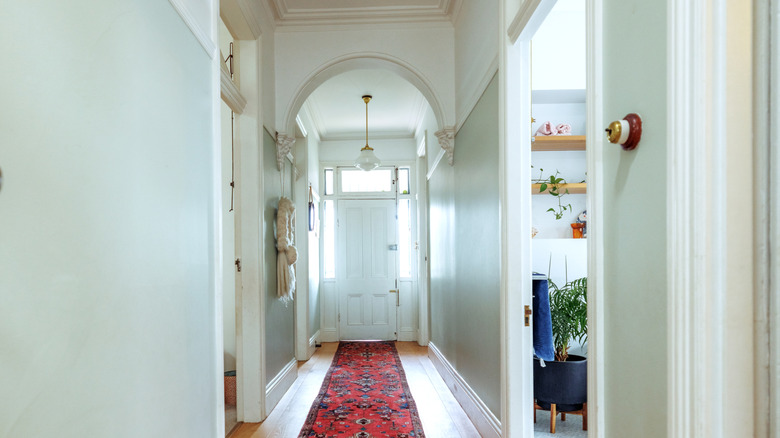
While they may be more commonly associated with homes from the 1960s and 1970s, thanks to their major revival during those decades, arches (particularly plaster arches) were especially prominent in 1800s homes. They were most often seen in hallways and entryways, and were frequently framed by decorative moulding or elegantly carved corbels at the base of each end. These added architectural interest and a sense of grandeur to the space. In addition to the charm they bring, arches help soften the transition between rooms, which is why they've been gaining popularity in modern interiors.
Windows
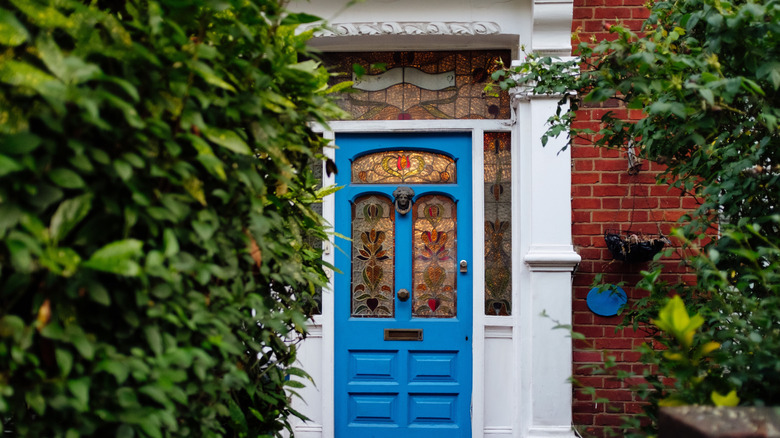
There's no denying that some of the most beloved window features rose to popularity during the 1800s. One window style that was particularly popular in Victorian-era design was the sash window, which slides up from the bottom. Bay windows also rose in popularity during this period; they continue to be a highly desired feature in modern homes, especially when paired with built-in bay window seating. Perhaps the most charming window detail from the Victorian era, however, is stained glass. Stained glass windows were typically found on front doors but also used in spaces like bathrooms as a beautiful way to create privacy.
Internal doors
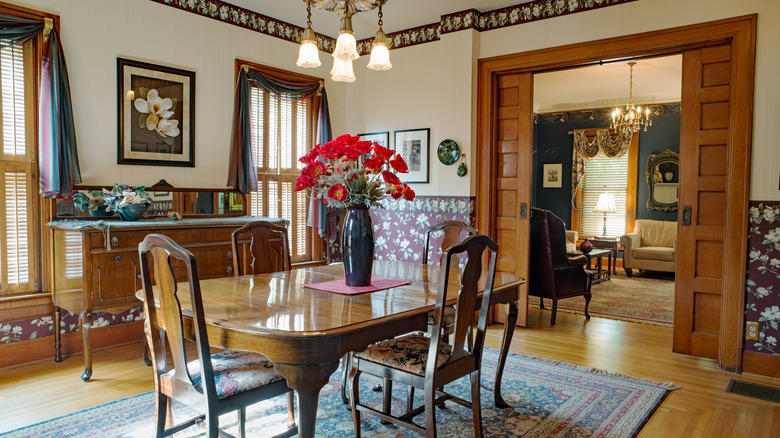
Unlike the open-concept designs of modern homes, Victorian-era houses were all about dedicated spaces and rooms, many of which were separated by doors. A variety of interior door styles were favored in the 1800s. Among the most prominent were pocket doors, which slide seamlessly into the wall to save space when not in use. Other popular styles included traditional Victorian double doors, often made of solid wood, and French double doors with glazed glass, the latter helping to create a brighter, more open feel when closed. The appeal of internal doors today lies in their ability to make each room feel cozy.
Library ladders
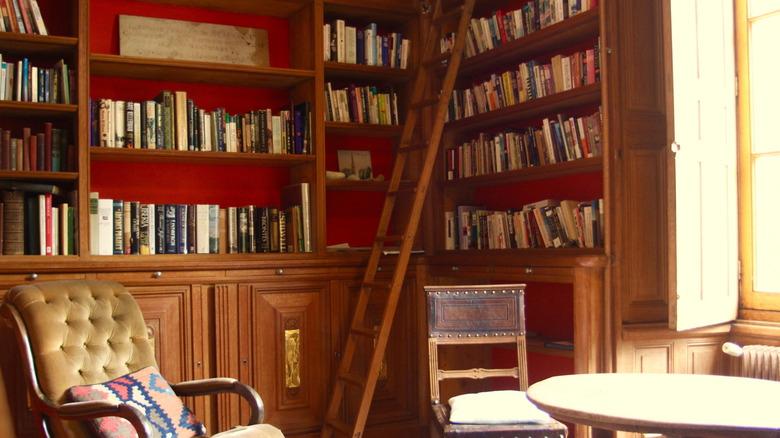
Although they may be less common in modern-day homes, dedicated libraries and reading rooms were a popular feature in Victorian-era houses, and it was during the mid-1800s that library ladders entered the scene. Often shorter than the tall rolling ladders seen in more contemporary designs, Victorian library ladders featured intricate carvings and detailing, which — like many other architectural details of the period — allowed them to function as a design element as well as a functional item. Adding a library ladder to your home, even if you just have a bookcase, can instantly make it feel like you've stepped back in time.
Picture rails
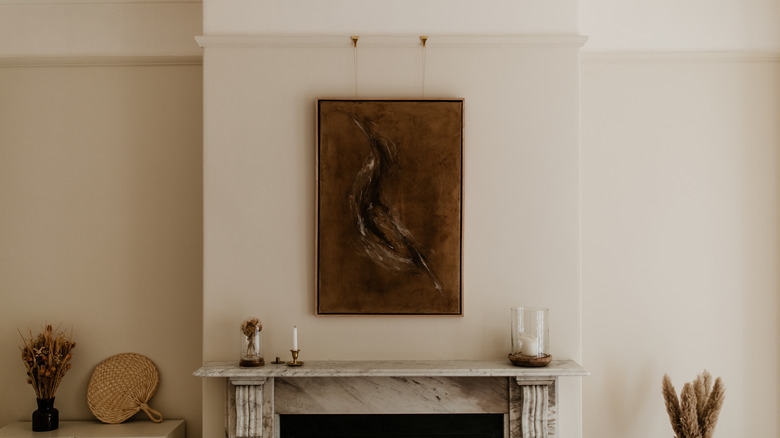
An easy addition to any modern home, picture rails were a charming feature in 19th century houses, offering a stylish way to hang artwork without damaging walls. A picture rail is essentially a strip of moulding installed high on the wall, from which delicate chains or ornate hooks were used to hang pictures, art, or mirrors. While many Victorian houses will still have their original picture rails, homeowners of contemporary homes can recreate the look by installing a moulding strip of their choice and pairing it with Victorian-style hooks, like the Thorness Set of 2 Polished Brass Picture Rail Hooks.