

What To Do If There Is A Water Main Break In Your Neighborhood
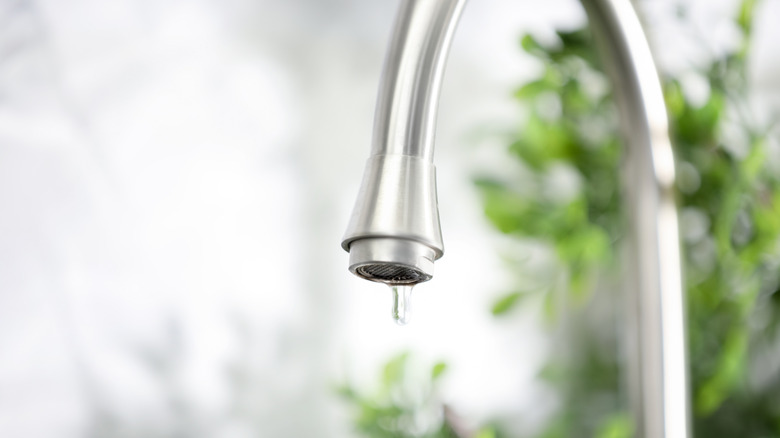
Imagine this: you are doing your dishes at home, and, all of a sudden, the water pressure drops. Frustrated, you come out and see water pooling or bubbling up on the street. Well, it is no coincidence at all. Chances are, a water main has broken nearby, and it is not something you should take lightly. In situations like these, the first thing you need to do is pinpoint the location of the water main break and contact the local public works department or the municipal water utility as soon as possible. Just make sure to report the exact location, as it helps the relevant authorities to respond promptly. Furthermore, if they know the exact location of the leak, they may be able to isolate the damaged water main by closing valves remotely to prevent further flooding in the area.
In addition, while you are waiting for the response team, avoid going into the areas surrounding the water main break. Try to also prevent others, as well as motorists, from driving through flooded streets. The pooling water and a broken water main can erode the soil, cause the road to collapse, and in some cases, even create sinkholes. Also, make sure to check your basements for flooding. If you find water in your basement, immediately turn off the main indoor shut-off valve and take appropriate measures to reduce the damage.
Handling home water use during a water main break
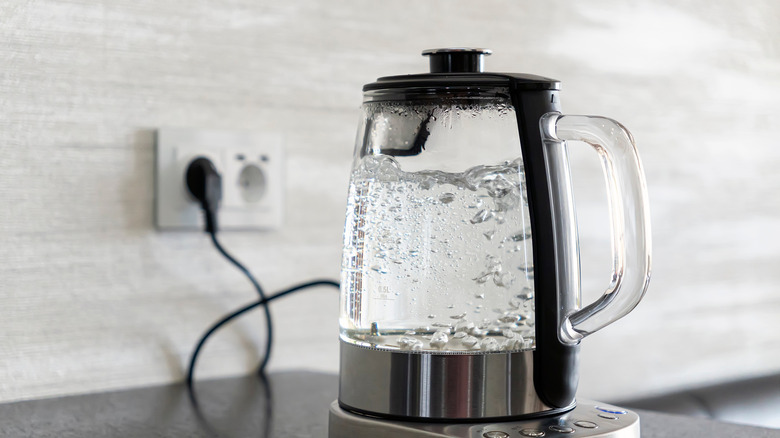
A water main break often doesn't just drop water pressure. It can also affect water quality, and if you aren't careful, you could get sick and end up in a hospital. That is because low or negative pressure during a break can lead to chemical as well as biological contaminants entering the water supply system. So, make sure to check the official city or utility updates. They often issue a 'Boil Water Advisory' during such times, when you'll need to boil the tap water before drinking it or using it to prepare meals.
In addition, also postpone your laundry. A break in the water main can also cause soil and mud to enter the pipelines, and washing your clothes with this water can result in stains. Also, if you find any sediments in your water, you will need to filter it before boiling it for consumption. Don't worry, though. There are many effective ways to purify your household water and eliminate harmful toxins. If possible, pivot to bottled water for all household activities until the break is fixed.
Lastly, make sure to also turn off any water-dependent appliances like dishwashers and ice makers in your home. If you keep them running during a water main break, they might suck in sediment-laden water. This could clog their valves and spray ports, which can reduce their performance and even lead to error codes and appliance failure.
Steps to take once a water main break is fixed
Once the municipal services fix the water main break, you cannot just go ahead and start using tap water as if nothing happened. First of all, wait for the authorities to lift the Boil Water Advisory for the affected area. Until then, make sure to only use boiling water at home for drinking and cooking. In addition, when the pressure is restored, you will need to perform a systematic flushing of your home's plumbing. It will help clear out any trapped air and debris from the system before you can safely turn on all your water-dependent appliances. The best way to do this is to open a high-volume fixture like a faucet on a bathtub and let the cold water run through it for at least 15 minutes.
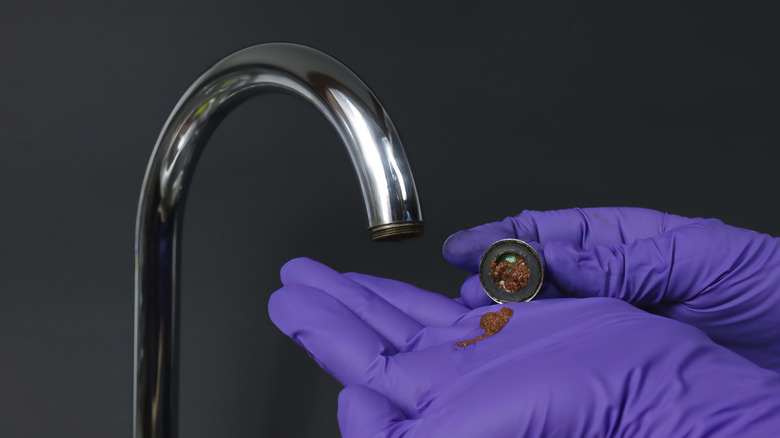
This should get rid of any rusty water and sediment from your system. If the water still appears cloudy or murky even after 15 minutes, keep the flushing process running for longer until you see crystal-clear water coming out of the tap. Lastly, check any point-of-use filtration cartridges in your home, and replace them if necessary. This may also include unscrewing and cleaning the aerators on all kitchen and bathroom faucets to get rid of any grit and sediment.