

8 Common Products You Should Never Use To Clean The Microwave
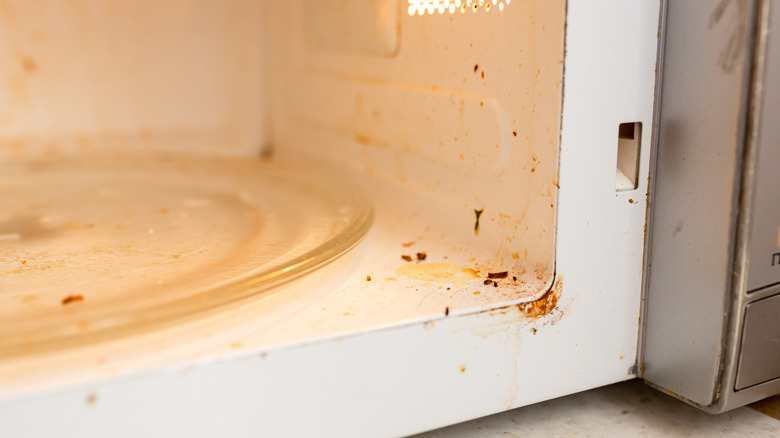
Cleaning the kitchen is one of those chores that can feel like a never-ending task. It's no wonder it is considered one of the dirtiest rooms in the home. It makes total sense, too: You prepare raw meat in the kitchen and clean dirty dishes in it, and appliances create multiple opportunities for germs to thrive. One appliance that has a reputation for not being cleaned frequently is the microwave. And there is no shortage of online sources touting easy tricks to get your microwave spotless. Like many things on the internet, not all microwave cleaning hacks are actually helpful. In fact, there are several common products you should never use to clean your microwave, including abrasive sponges, bleach, and ammonium-based cleaners, to name a few.
While there are a couple of areas in the kitchen that many people forget to clean frequently, the microwave takes the prize. Ideally, the microwave should be cleaned at least once a week. It doesn't even take a lot of elbow grease, and once you get in the habit of a weekly cleaning, it never gets dirty enough to warrant an hour-long scrub. But it's important that you're cleaning your microwave the right way and not with the wrong things that could damage it. A microwave's interior is coated with a protective layer that makes it safe for cooking and helps it function properly. The interior also has plastic and rubber parts that can be damaged by improper cleaning methods.
Abrasive sponges/steel wool
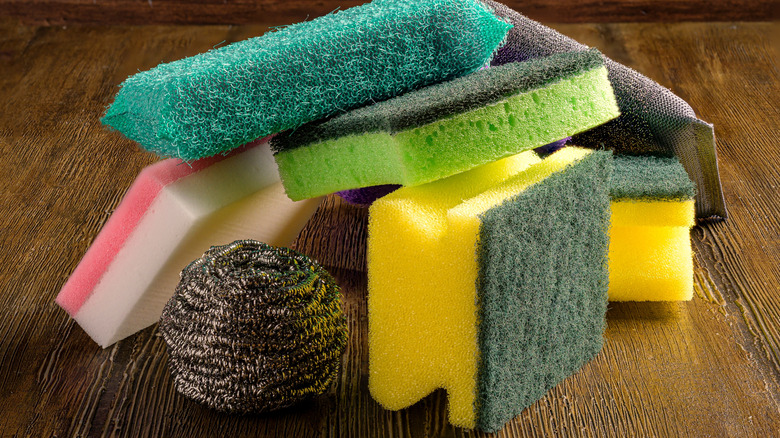
If you open your microwave and discover rust, it may be because you're cleaning it with the wrong tool. Using abrasive sponges or steel wool on the inside of your appliance can scratch the paint, exposing the metal underneath, and cause rust in your microwave, potentially voiding your warranty if you still have one. Steel wool can also leave behind tiny metal fragments that may cause sparking. Instead, opt for a soft, damp microfiber cloth or a wet paper towel.
Bleach
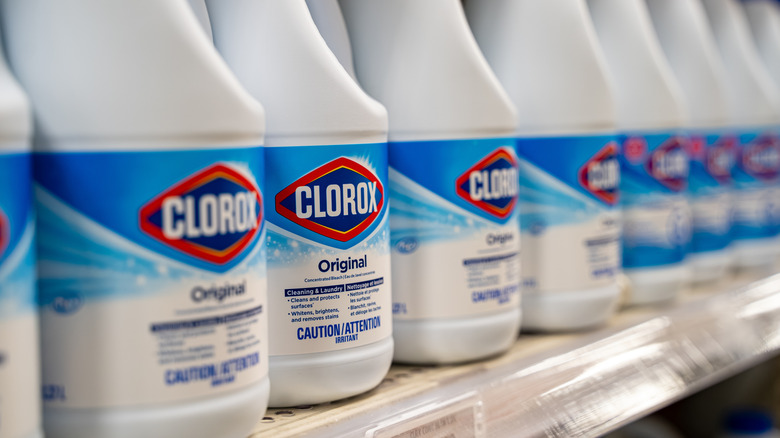
While bleach may seem appealing for killing germs and creating a "clean" smell, it can do more harm than good inside a microwave. Bleach can be extremely corrosive to the metal and plastic parts and can damage your microwave. Not only will it cause issues for internal components, but it can also cause harmful fumes to linger, and, when heated, it can create a toxic gas. This warning also applies to disinfecting wipes that contain bleach. Make sure to check your cleaner labels as some cleaners may contain bleach or other harsh chemicals.
Ammonia-based cleaners
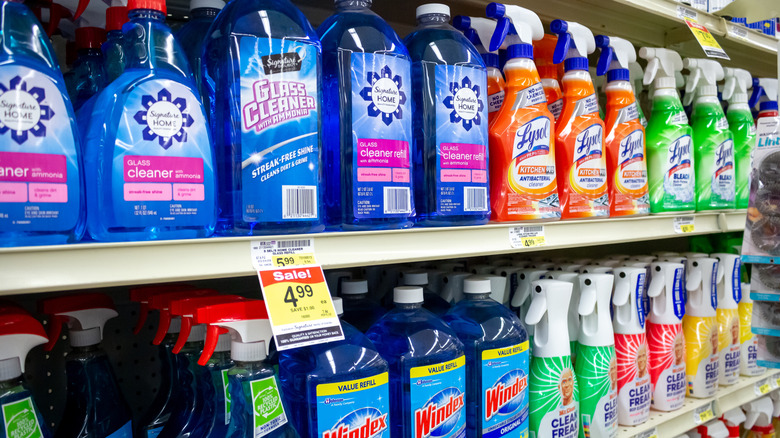
Like bleach, ammonia can leave residue behind that may release dangerous fumes when heated. Ammonia is also highly corrosive and can cause damage to the parts inside your microwave. This warning not only pertains to spray cleaners but to antibacterial cleaning wipes as well. Glass cleaners typically contain ammonia, as do some all-purpose cleaners. You can instead mix a solution of vinegar and water to spray-clean your microwave. Not only is this a safer option, but it will also do just as good a job.
Metal or aluminum foil
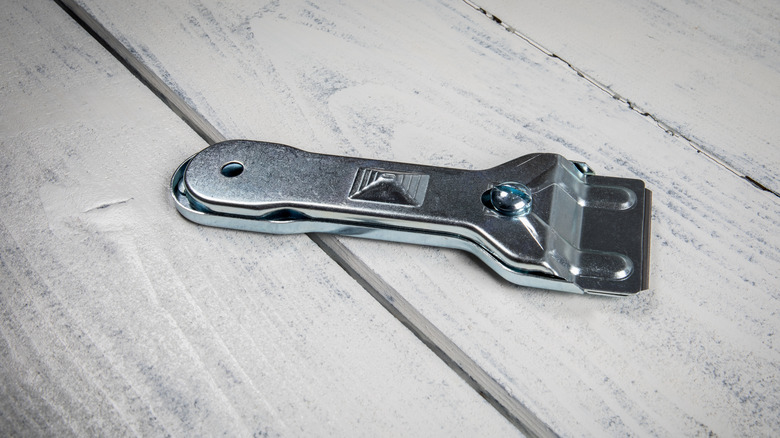
Metal and microwaves don't mix. You should never use metal scrapers, aluminum foil, or steel wool in your microwave for many obvious reasons. Maybe you feel it's not a bad idea because you're not microwaving it, just using it to clean or scrape with. Unfortunately, you can leave tiny bits of metal in your microwave and create a fire hazard. And scraping is never a good idea — the protective coating on your microwave, which is there for a reason, can get damaged.
Oven cleaner
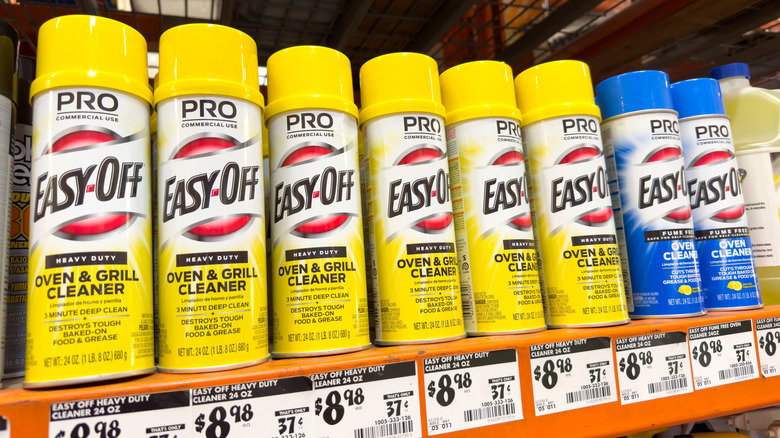
Oven cleaners aren't meant to be used in your microwave. When it comes to harsh chemicals, not only can they leave residue and odors that seep into your food, but the process of microwaving can also create toxic fumes from some cleaners. Your microwave is a fancy piece of technology that heats up food, but it can also do dangerous things when mixed with chemicals that can harm you and your family. It's best to stick to natural ingredients.
Alcohol-based sprays
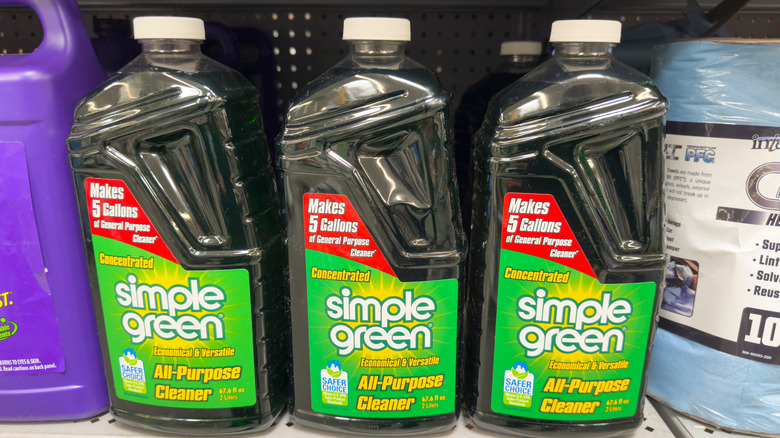
Like the other strong cleaners on our list, alcohol-based cleaners aren't safe because of potential fumes; additionally, alcohol is flammable. This creates risks ranging from lingering chemical tastes to potential fire hazards. It's just not a good idea to use a cleaner inside your microwave if it contains any kind of alcohol. Check the back of the bottle and watch out for ingredients like alcohol ethoxylate, ethanol, or isopropyl alcohol, to name a few.
Undiluted vinegar or lemon juice

It may seem strange that lemon juice and vinegar are on this list, but the concern is using these natural cleaners undiluted. The most recommended method for cleaning your microwave is a diluted solution of water and lemon juice. Undiluted, both of these liquids are highly acidic and can be just as corrosive as some of the more toxic cleaners on our list, especially with repeated use. Straight lemon juice and vinegar can degrade the inner parts of your microwave, causing it to fail.
Dry paper towels or cloths
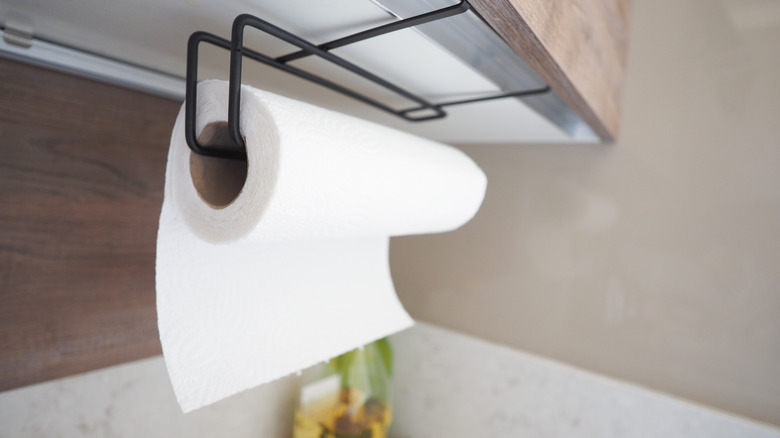
It's always best to use a damp paper towel or cloth rather than a dry one. The reason is the same as why you would not want to use an abrasive sponge to clean your microwave. Both, if used over time, can create tiny scratches on the protective coating inside your microwave, which can eventually lead to chipping. If the coating chips off of your microwave, it can actually cause what's known as arcing, or sparks, which is extremely dangerous. You should stop using your microwave immediately if this happens.