

12 Questions To Ask The Seller Before Buying Appliances Second-Hand
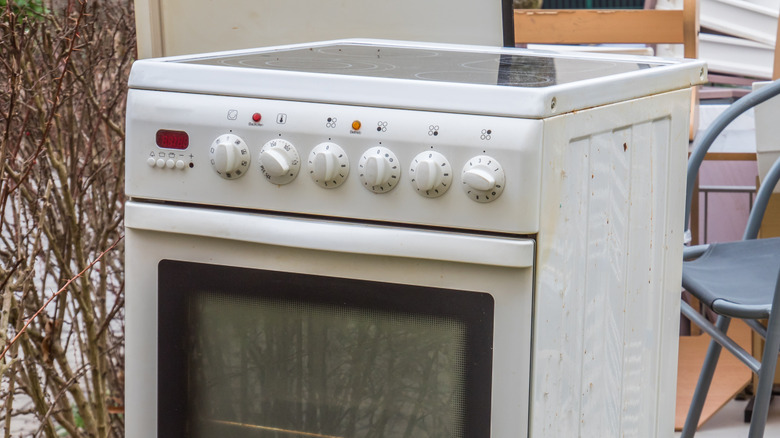
Tread carefully with second-hand appliances. It may be the cheapest way to replace your packed-up refrigerator or washing machine, but if you don't know which red flags to look for, or are unsure which questions to ask the seller, it can also be one of the easiest ways to waste your money.
With this in mind, we've compiled a list of 12 key questions you should ask the seller before settling on a second-hand appliance. Some concern gauging the appliance's age and how heavily it's been used. Others ensure you don't accidentally buy a broken appliance or one that's likely to cause a fire when installed. If you're buying from a second-hand store, then there are questions you should ask about their returns policy and warranties. If you've stumbled upon an appliance in very good working order, then you should ask yourself — and the seller — why on earth are they selling it?
Regardless of an item's condition, there is always a reason behind a seller putting it on the market. The point of these questions is to ensure those same reasons are unlikely to give you a headache. Whether it's a toaster, a blender, a dryer, or a fridge-freezer, if one of your essential home appliances has gone kaput and you can't afford to buy brand new, then treat this guide as your guru to secondhand shopping success.
How old is the appliance?
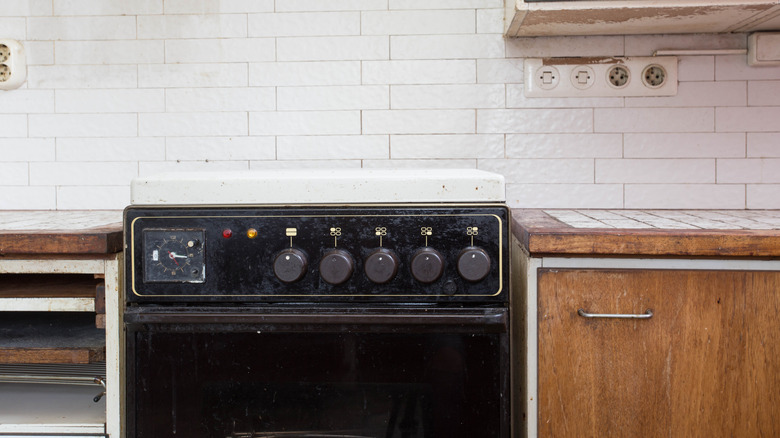
Asking about its age is a great place to start. You may be able to get a rough idea of the age ahead of your viewing by searching for the appliance model online. If the model is no longer being made, then research when it was discontinued to get an idea of its minimum possible age. Ask the seller how long they've had it to get a clearer idea of age, and compare that to the appliance's average age and lifespan.
For example, a fridge-freezer lasts 10 years, on average. If the one you're buying is nine years old and has seen heavy use, then it may not be worth buying. The same goes for washing machines, which tend to last over a decade if they're well looked after. If you just need a temporary replacement, then a cheap runner will do the trick. Just remember that rolling the dice on an item in this condition becomes risky if you need it to last longer term.
How heavily has the appliance been used?
One of the major downsides to consider when buying used appliances is that you have no real way of knowing what an appliance has been through. But that doesn't mean you can't ask. As well as the appliance's age, you should also enquire as to how heavily it's been used, as this will affect its lifespan.
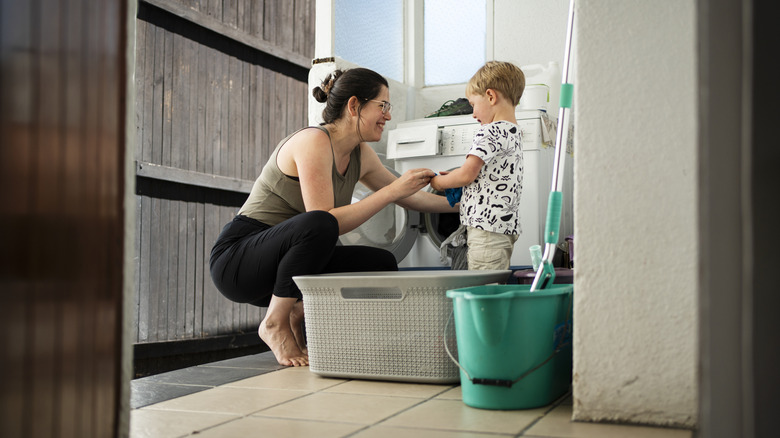
This is an intuitive question to answer for yourself in some cases. For example, a fridge-freezer is likely to have been used 24 hours a day, seven days a week, for the duration of the seller's tenure with it. But with a washing machine, the amount and type of use can vary. If you're buying a washing machine from a family of four plus dogs, it will almost certainly have received more use than one owned by a couple without kids or pets.
If the appliance looks clean, ask whether it was used as a backup appliance or whether it's just been very well looked after. Bear in mind the typical lifespan of different appliances, and remember that heavier use tends to age appliances more quickly than lighter use. If an appliance has an average lifespan of 10 to 15 years, but the one you're buying is just two years old and hardly used, it could well be worth the money versus splurging on a new appliance. Conversely, a new machine would likely be more cost-effective than a heavily-used one that's nearing the end of its life expectancy.
Are there any functionality faults or damages that you should know about?
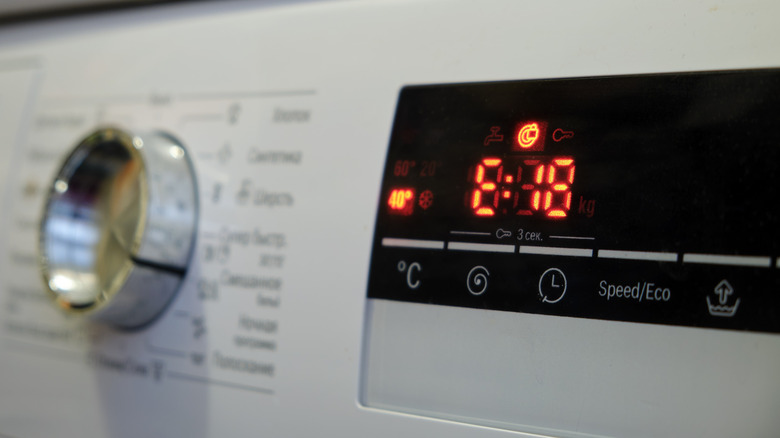
It goes without saying that you should closely inspect the appliance you're buying for signs of physical damage. However, damage to electrical goods, particularly those with a complex array of internal parts, is sometimes tricky to identify without taking the appliance apart. So, ask the question: is the appliance damaged, or are there any faults that you should know about? Is there anything that you'll need to pay to have repaired before you can use it?
Even if the item isn't damaged, ask if any functionality issues affect the way the appliance operates, even if only slightly. Are there any quirks — perhaps a tendency to vibrate or hum — that you ought to know about before exchanging your cash for the appliance? Answers to these questions may give you an insight into why the seller is getting rid of the appliance in the first place, especially if it appears to be in good condition. They may also open up the opportunity to negotiate a better price, but only if you're able to live with any damages or quirks.
Has the appliance ever needed a repair?
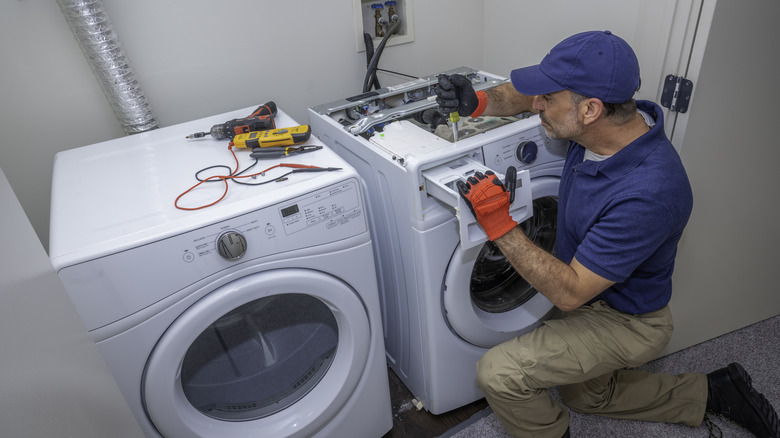
As most who have owned appliances for more than a few years will know, they tend to require repairs every now and then. What's more, some appliances are more likely to break down than others. If you're buying a machine that's undergone one or more repairs, there are some things you need to make sure of before handing over your money.
Is there a repair history that you can see, like receipts for the work, service records, or problem diagnosis reports? Are there receipts for the parts that were used? All of these will give you an idea of the kinds of issues that the appliance has run into, the repairs it's had, and crucially, whether those repairs were made professionally. If they weren't, or there's no sign of a repair history, then we'd recommend avoiding the appliance. Don't forget, a poorly maintained appliance could be dangerous. Also, even if it's being sold super cheap, you could end up buying another appliance if it's all but ready to break down.
Are all the appliance parts original or manufacturer-approved?
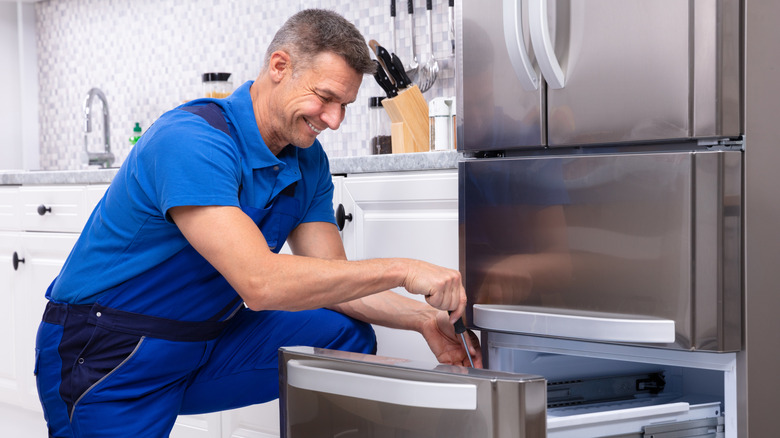
While you're drilling into the appliance's repair history, ask the seller to confirm that all of the appliance's parts are either original or manufacturer-approved. If they're unsure or they explain that certain aftermarket parts have been fitted, then consider looking elsewhere for your appliance. You should also ask the seller to confirm that the appliance comes with the manufacturer's user manual, and if not, ensure that you're able to find and download a copy of the manual for your specific appliance online.
The manual will contain important use and maintenance instructions. The reason it's important to avoid appliances with aftermarket parts is that these instructions assume your machine contains either original or manufacturer-approved parts. If unapproved parts are used, then the machine may not operate as intended. And if you can't get your hands on a copy of the manual, the appliance may well prove more trouble than it's worth, even if it's cheap.
Has the appliance been recalled?

It's worth asking the seller if the appliance has been recalled, but you should do your research, too. Don't forget, with private sellers, you're entirely reliant on their honesty. What's more, even without meaning to be dishonest, they could mislead you, especially if they're unaware of any recalls put out on the appliance they're trying to sell. By researching ahead of time, you can find out for certain whether the appliance has any recalls or safety warnings.
To find out, head to the U.S. Consumer Product Safety Commission website and search for your product. This will quickly tell you whether your appliance has been flagged for anything. If it's flagged for something non-hazardous, then you could use the information to your advantage and renegotiate the price. However, if it's flagged for something dangerous, then you may be better off steering clear. The last thing you want to do is bring a potential health hazard into your home just because it was cheap on Facebook marketplace. If something dangerous does flag, raise it with the seller to ensure that they're aware.
Is there a warranty or a returns policy?

If you're buying from a second-hand store instead of a private seller, then make a point to ask about their warranty and returns policy. Don't assume that a store offers these things just because it's a business with a physical location. Some second-hand stores offer neither, and it's unlikely that the store assistants will explain this before you pay for the appliance. In other words, it's on you to ask the question and ensure you're happy with the terms.
If you find an appliance you like and discover there is no warranty or returns policy, you'll have to either walk away or consider the trade-offs. Does the product have a reputation for quality and reliability? If it doesn't, you may fall victim to false economy. If it does, then it may run a full product life without any issues.
Is that the lowest price you would accept?

While you may not be able to bargain for a better price at a second-hand store, private sellers are far more likely to be receptive to negotiation. In fact, more often than not, private sellers will expect it, and some may even increase the listing price based on the fact that they know they'll have to drop it. To stack the odds of haggling success in your favor, try to see how long the appliance has been on the market for, and if it's been there a while, use that to your advantage.
Ultimately, if you're unhappy with the deal, or the seller is unwilling to budge on price, then there's nothing wrong with walking away. The important thing is to try and be respectful. If you want to see the appliance before deciding whether it's worth buying, then avoid agreeing on a price by text or Messenger and inform the seller that you need to see it in-person first. Unfortunately, if you settle on a price by text, and then try to change it when you arrive, you risk annoying the seller and potentially losing the opportunity to buy the appliance.
Can I plug it in and test it?
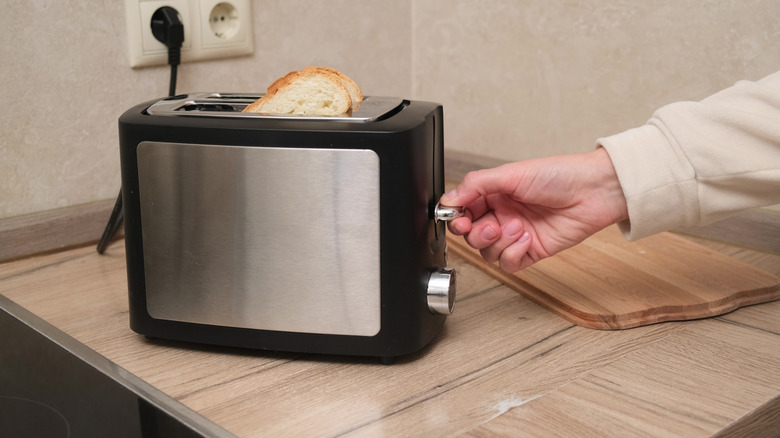
Only by seeing an appliance in action before you buy it can you be sure that it'll work when you get it home. So, ask if you can plug it in and try it out. This may be more practical for some appliances than others. For example, if a private seller has a fridge-freezer to get rid of, they've probably already switched it off and thawed it, ready for a buyer to take it away. This makes it tricky to know whether the freezer function works, and you're unlikely to want to spend hours at a stranger's house waiting to see if the fridge drops nicely to temperature. Still, you can plug it in and check that the lights come on where they should.
Other appliances are easy to test. A toaster, for example, can easily be plugged in and switched on. The same goes for other smaller appliances, like blenders, coffee machines, and kettles. A washing machine can be set to run a spin cycle, which should highlight any loose internal parts or other functional faults.
You'll risk annoying the seller if you try to test every single function of your appliance during your visit. What's more, doing so is basically impossible for larger appliances, like washing machines, as you'd need days to watch them work through the various cycles they're capable of. However, if you're determined to see it in action, you could always ask your seller to send you a video of the appliance, especially if there's a specific function for which you're buying it and that you'd like to confirm really works.
Is the wiring in good condition?
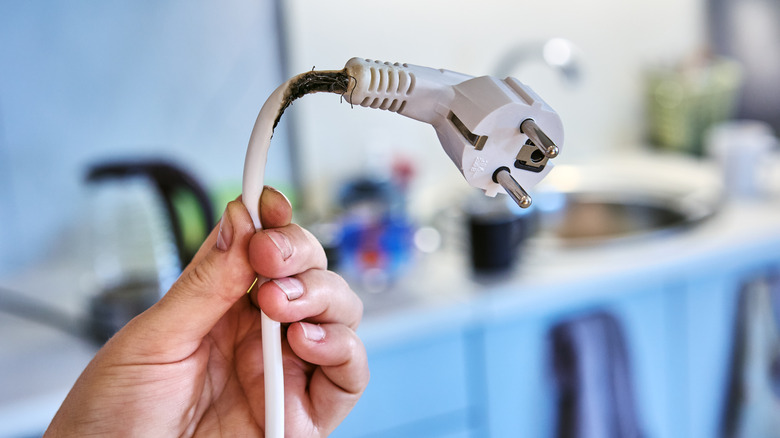
Any faulty wiring that you spot in a second-hand appliance should be treated as a red flag. Especially for appliances no longer in warranty. Any faults with newer appliances still under warranty will be covered for repair by the manufacturer, but if an older appliance has cracked or otherwise-compromised wiring, this is unlikely to be the case. And if you go ahead and buy it, you risk installing a safety risk in your home.
So, get up close and personal with the appliance and inspect it for wiring issues. Look for signs of deterioration in the wiring like fraying, cracking, or scorching. If the seller is happy for you to plug it in, then do it, and listen out for buzzing or cracking sounds. Hold your hand over the plug socket, too, and see if it feels overly warm. All of these can point to issues with faulty wiring, and since fixing your own appliances is the kind of electrical project you should leave to a professional, they mean you'll probably have to spend even more money in order to get the appliance repaired.
What did the seller like and dislike about the appliance?

If everything else seems in order and you're about ready to shake hands on your appliance, don't neglect to ask the seller why they want to get rid of it. What did they like most about it when they used it? Was there anything they found annoying?
You're reliant upon an honest seller here, but if they tell you that the appliance is noisy, that it's always breaking down, or that it's expensive to repair, then you'll probably thank them for their candor. They may tell you that they never ended up using a six-slice toaster to its full potential, or that the washer-dryer combo wasn't, after all, as convenient as they thought it'd be. These may not be deal breakers for you, but if you're buying now based on the same overrated appliance trends that inspired your seller to first purchase it, then you may need to rethink your decision.
What is the appliance's energy rating?
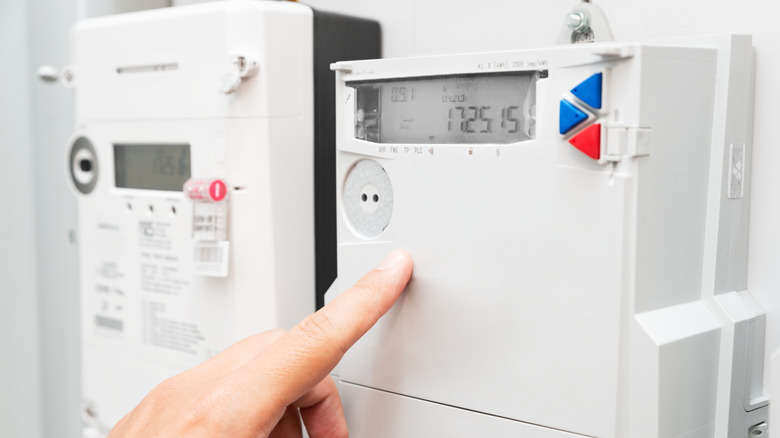
The energy ratings of our appliances can make a surprising difference to the energy efficiency of our homes, and it may come as no surprise that newer appliances tend to be much more efficient than older ones. Now, buying second-hand doesn't necessarily mean that you're downgrading from your old appliance. In fact, if you had the same refrigerator for 15 years, then that appliance could have been a culprit behind your home's sky-high energy bill, meaning the average second-hand appliance from Facebook Marketplace is a likely upgrade.
However, you should not take this for granted, and if you are replacing a broken appliance, make a point of ensuring its replacement at least matches its energy rating. This is key to maintaining (or perhaps even decreasing) your energy bills, while making your home as carbon-efficient and "green" as possible.