

Enjoy Beautiful Blooms Even In The City With A Patio Garden. Here's How To Get Started
We may receive a commission on purchases made from links.
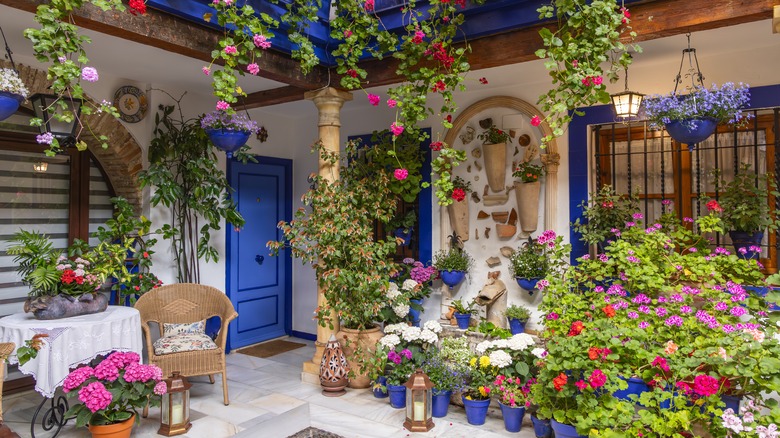
Regardless of where you live, your patio can be the perfect place to gather with family and friends, relax with a book, or even cultivate a beautiful flower garden. By definition, a patio is an outdoor space adjacent to a dwelling. These areas are usually paved, but may include a patch of soil. A small city patio can be a dreamy garden oasis – just steps from the convenience of urban life but worlds away from the outside chaos.
There are several common solid surface materials for patios, including concrete, brick, and natural stone, all of which make a wonderful foundation for planters full of flowers. But, as you look upon a blank slate of pavers and fencing, it can be difficult to put together the pieces required to turn it into a blooming paradise. As a Master Gardener who has designed many of my own dreamy patio spaces and worked to help organizations and individuals with theirs, I'm here to help you assemble the puzzle. The process involves defining how you want to use your space, choosing the right containers, and selecting the perfect species of flowers for your patio garden.
Determine how you want to use your space

Before you start buying planters and greenery, you'll need to decide how you want to use the space and what you need to include. I am a big fan of old-school graph paper and color pencils, but there are also websites, apps, and software that can serve the same purpose. Ultimately, you just need to design a space that reflects your unique needs.
Start by measuring your outdoor area and mapping it out using your preferred method. Then, determine the primary functional purpose of your patio. Do you want a dining space to entertain? A spot for the family to relax? Maybe a little corner for a hammock for some breezy reading. Once the physical function of the space is decided, add it to your design.
The next step in mapping out your patio space for growing flowers is observing the effects of nature. If you have lived there for long, you likely know if it's prone to strong winds or no wind at all. If not, that's okay — you can add windbreaks later, if needed. Note where the sun is the brightest throughout the day and where there is deep shade as a result of shadows from buildings, fencing, or existing trees and bushes. Now that you know what space you have, how you want to use it, and Mother Nature's influence, you can get to the fun part: shopping!
Pick your planters
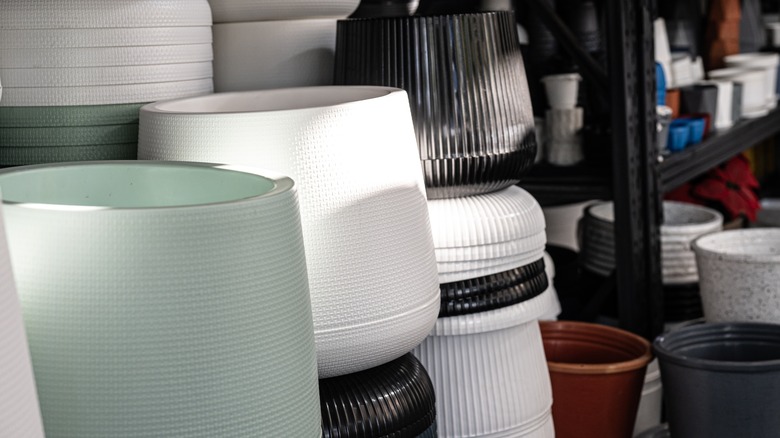
With your furniture and other necessary outdoor items added to your design, you can fill in the rest of the space with planters for all those beautiful blooms you want to surround yourself with. This part should be easy, right? Go to the garden center, pick out some pretty pots, and you're finished. Not quite. There are a few things to consider before you start shopping.
Because the goal for this project is specifically growing flowers in your city patio garden, your planters will need some extra consideration. For example, if you are very limited on space and the area is square or rectangle, long, narrow planters along the edges will help you make the most of your limited square footage. On the other hand, if you have a little extra room, collections of planters of different heights can be grouped together to create a dynamic display even before those flowers start to bloom. In short, consider your limitations, but don't forget to be creative.
As you are shopping for planters, consider how they should function. If you travel a lot in the summer, you might want to invest in self-watering planters to keep your flowers thriving while you're gone. Be sure to buy containers large enough to support outdoor plants. And, plan for drainage. All containers need sufficient drainage to keep roots from getting waterlogged, so you may want to look for something to elevate your pots, like Pot Feet. This will help the planters drain properly and keep water, debris, and mold from growing on your paved areas.
Select the right plants
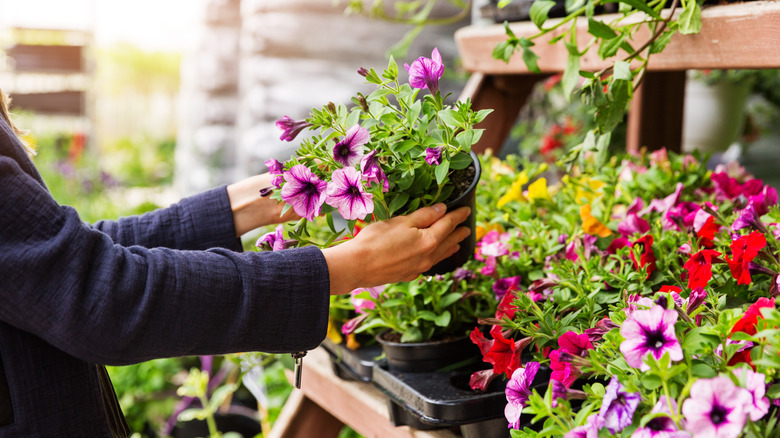
Remember back in the mapping phase where you noted what areas of your city patio receive the most and least sun? This is where that information is vital. With your planters in place, you should know how much light they get. Now, you'll need to select flowers that thrive in those conditions. There are many stunning flowers that will thrive in containers in full sun, like zinnias, geraniums, and petunias, which are annuals. For yearly blooms, coneflowers, dianthus, and salvia are beautiful, low-maintenance, container-friendly perennials. You can combine these with other types of plants using the thriller, filler, spiller method by adding upright ornamental grasses and common thyme. The possibilities are almost endless; just make sure you select plants that have the same sun, water, and nutrient needs so they all thrive in a container together.
There are fewer options when it comes to partial or deep shade, but these spaces certainly don't need to suffer from lack of color. Impatiens are classic flowers that thrive in full shade and come in a rainbow of hues. You can also add some plants that bloom but are celebrated more for their foliage, like the many species of annual coleus and perennial hostas.
Create a maintenance plan
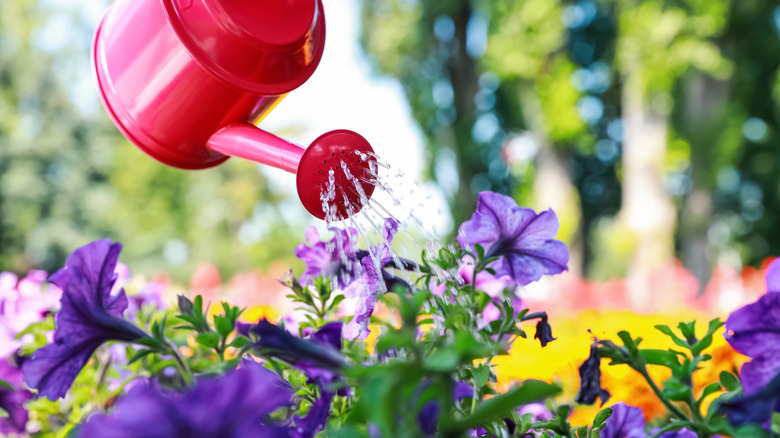
Whew! That was a lot of planning and work, but a beautifully-blooming patio is worth it. Now, for the (hopefully) easy part. No outdoor space or city flower garden is without some required maintenance, but if you make a plan, you'll know exactly what needs to be done and when to ensure your plants thrive.
During the plant selection process, you should have learned what conditions each one needs. This includes soil moisture and fertilization. Because the nutrients in containers leech out more quickly than in the ground, keep up a consistent fertilization schedule for plants that need it. You can usually find this info on plant tags or labels. I like to keep those together in a container if I need to refer to them after planting — I usually do. If you aren't using store-bought or DIY self-watering planters, check your soil often. A good rule of thumb is to water when the soil is dry an inch below the surface.
Depending on the flowers you chose, you may need to add pruning to your maintenance plan. Annuals will be removed at the end of the season, but perennials need a little extra attention to make sure they come back next year. At the end of the season, make a note of what flowers grew well and which ones did not. Next year, make any necessary adjustments for an even more beautiful patio flower garden in the city.