

Sneaky Signs There May Be A Water Main Break In Your Area
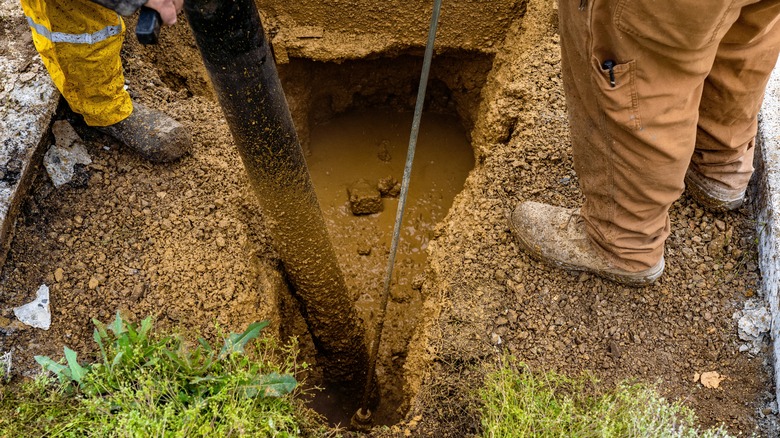
When there are changes in your plumbing's performance, it doesn't always originate in your system; instead, these issues may result from a break in the water main carrying water from the city supply to your home. Because water main breaks occur underground, they aren't immediately visible yet may produce sneaky signs of their presence. Discolored water from the tap and strange noises may warn of a break. A water main rupture can also be one of the reasons your house's water pressure is so low and may coincide with rising water bills.
Water main breaks aren't rare. Data from the Environmental Protection Agency (EPA) shows 240,000 occur annually throughout the United States. Many result from aging pipes. Large sectors of the U.S. water infrastructure system date back more than 50 years, and some areas are even over a century old. Many older pipes, particularly those installed before 1980, were made of cast iron, which is susceptible to cracking with temperature fluctuation over time.
Water breaks can also occur in newer pipes, as any construction project involving excavation may accidentally puncture the pipe's material. Other reasons for a break are a corrosive soil environment or pressure built from shifting ground. Many of these causes can happen unknowingly underneath your feet, which is why it pays to know the signs that there's a water main leak in your area.
Weird noises and water discoloration are break indicators
Your first sneaky sign of a water line break may be sounds emanating from your fixtures. Historical homes may have creaky old pipes, but sounds can also indicate a water main break, especially if you've never heard them before. These include bangs, pops, hisses, and gurgles as air seeps through the break and restricts water flow. If ignored, the trapped air may create water hammer problems in the plumbing, causing large vibrations throughout your pipes and fixtures.
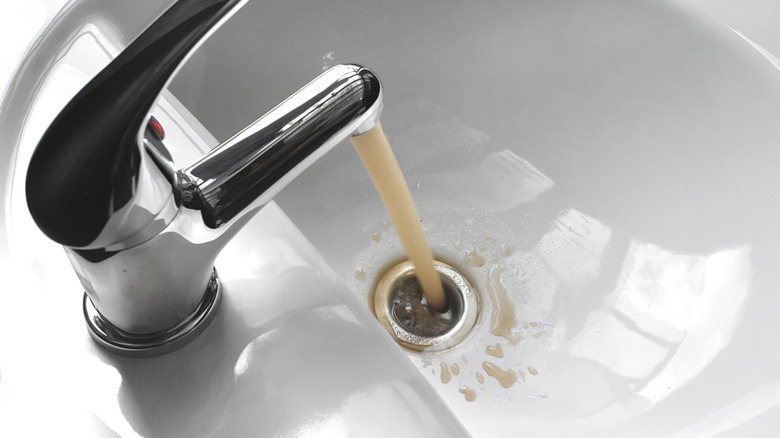
Brown, dirty water is another sign of a break, as dirt, sediment, or rust is released from the damaged pipes and flows into the water. Test your cold tap, as hot brown water can be a tell-tale sign you need to drain your water heater. If both hot and cold water are brown, it's more likely a water supply problem.
Reduced water pressure may also come from a main rupture. A higher water bill may accompany this, as pressure problems require you run the tap longer for the same amount of water. The bill may even be your first sign something is wrong.
And sometimes, new wet spots or pooling water in your yard might be an outside indicator. Since water main breaks often affect an entire neighborhood, discussing these issues with your neighbors and checking for updates on a municipal website can help keep you informed. Utility companies also ask residents to report suspected water main breaks when noticing any of these signs. The city can then investigate the situation and make repairs if needed.