

8 Birds That Rarely Use Bird Houses (& Better Ways To Provide Shelter)
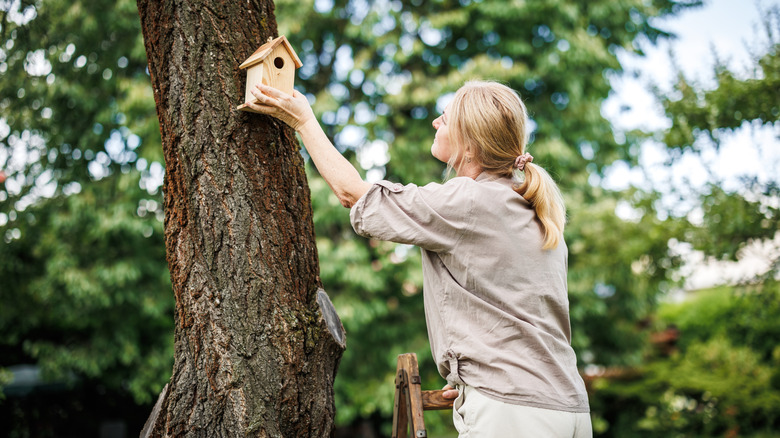
Your first thought when trying to invite more birds into your backyard might be to build a bird house, but as it turns out, some popular birds may not appreciate this type of shelter as much as you thought. While bird houses can be incredibly popular with some songbirds, including bluebirds, wrens, and chickadees, other birds prefer to build their nests on platforms as opposed to a cavity. While cavity nesters opt to live and raise their families in chambers such as tree holes that they either found or created themselves, others, often called "open cup nesters" or "cup-nesting birds," build their homes in open spaces. The latter group includes birds like robins, finches, blue jays, hummingbirds, orioles, and more.
If you want to attract open-cup or cup-nesting birds to your yard, there are a few different tactics you can try. While there are various reasons some birds may be avoiding your bird house, the main one could be that they enjoy a nesting platform, which you can easily install around your home and garden. Similar to a bird house, a nesting platform offers your local birds a space to build their homes and raise their babies, but it'll be much more appealing to the open cup species. Thankfully, these types of structures are super easy to make, and chances are you probably have an old garden or kitchen item lying around that will make the perfect nesting platform. You can use old buckets, mailboxes, planters, pots, or cardboard boxes, as long as they are secured to a firm foundation and not fully enclosed.
Finches
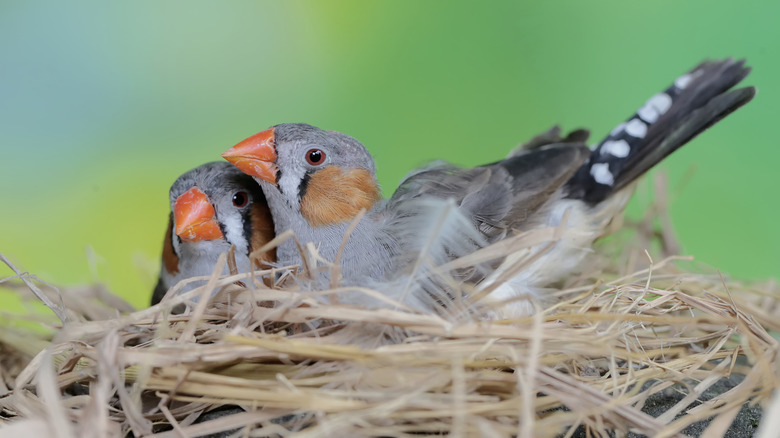
One type of bird that famously does not enjoy nesting in traditional enclosed bird houses is the finch. House finches, for example, tend to use a wide variety of environments for their nests, including planters, ledges, and even street lamps. These birds are incredibly adaptable and will opt for vegetation or nests of other birds before making their own. Finches actually tend to return to previous nesting sites year after year. If you want to attract finches to your yard, you can install a few open nesting boxes or platforms, where they can build their open-top, bowl-shaped nests.
Mockingbirds
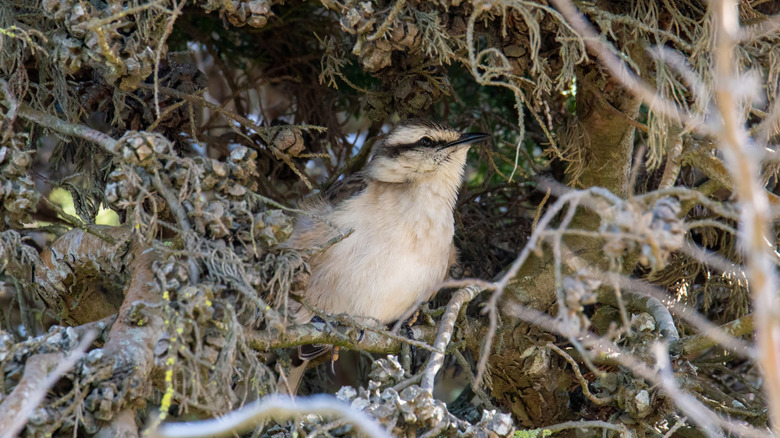
As much as we may love to have a family of mockingbirds living in a cozy bird house in our backyard, this is simply not how these bold and vocal creatures operate. Instead of enclosed spaces, mockingbirds prefer shrubs, thickets, bushes, or trees for their nests. They tend to nest high off the ground, anywhere from 3 to sometimes 60 feet in the air. To attract mockingbirds to your yard, you can provide some of their favorite nesting materials, which include twigs, bark, and dried grass. You can also plant berry bushes, like blackberry or mulberry brambles.
Hummingbirds
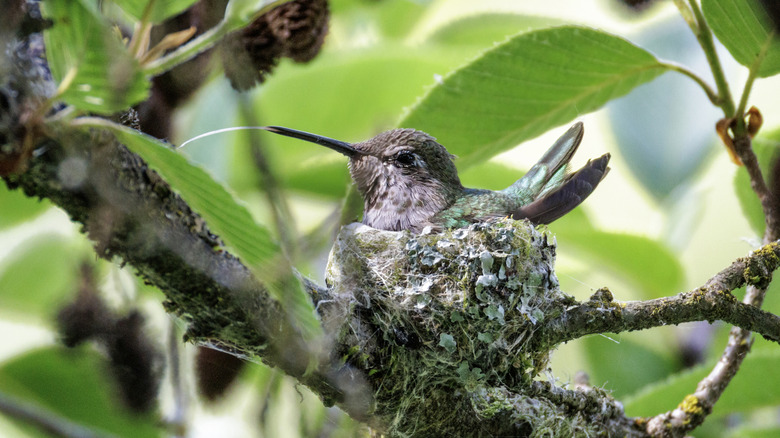
You might be wondering why hummingbirds aren't using your bird house. Instead of utilizing enclosed spaces like bird houses, these tiny birds prefer to build their own open nests, usually cup-shaped and located on shrubs or tree branches. As long as their homes are high above the ground and generally covered, these birds are happy. If you want to transform your backyard into a hummingbird-attracting environment, there are a few things you can try. First, make sure your yard features plants that produce nectar, as we know this is the hummingbird's favorite food. Also ensure you are providing ample nesting materials, such as a platform or spider silk.
North American sparrows
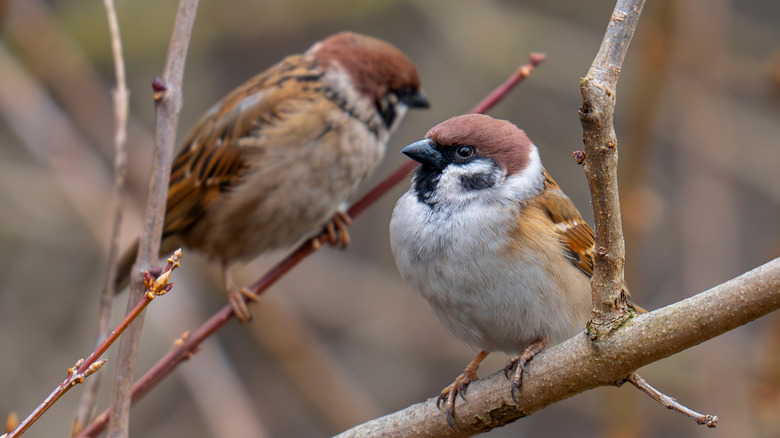
While a house sparrow is a bird you don't want to see near your feeders or yard, North American native sparrows, such as the field or song sparrows, tend to prefer open-cup nesting. Field sparrows, for example, prefer building their open nests on lower surfaces, such as fields, fences, and pastures. Similarly, song sparrows tend to live in open environments such as marshes, grasslands, and even flower beds. To encourage and provide shelter for these types of birds, make sure your yard has dense shrubs and evergreens. You can also ensure they have ample materials, like weeds, bark, and loose grass.
Blue jays
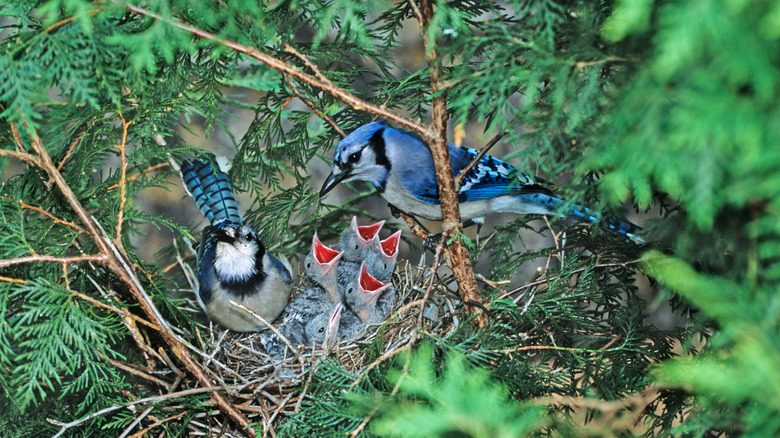
You are most likely to spot blue jays taking shelter in your yard if you have tall coniferous or deciduous trees. These brightly colored birds prefer building their nests anywhere from 10 to 25 feet off the ground, typically with materials like twigs, grass, and mud. These nests are usually found in the crevices of trees, specifically in oak forests, as they snack on acorns. To help bring more blue jays to your backyard, you can install a nesting platform in the eaves of your trees or another sheltered spot, like on the side of a building.
Robins
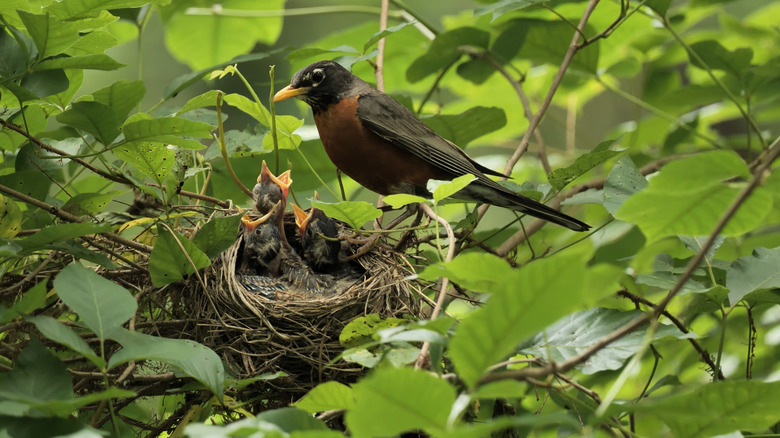
If you spot a robin in your yard, it's not because of the bird house you set outside. Instead, these colorful and iconic birds have probably found shelter in your trees, gutters, or even under the eaves of a building structure nearby. Robins prefer open-cup nesting and do not prefer enclosed spaces. If you want to bring more robins into your garden, try putting up a nesting shelf, which differs from a bird house in that it doesn't have a small entrance. You can use an old bucket, a piece of wood, or purchase one online. Make sure these robins also have access to building materials, like grasses and twigs.
Cardinals
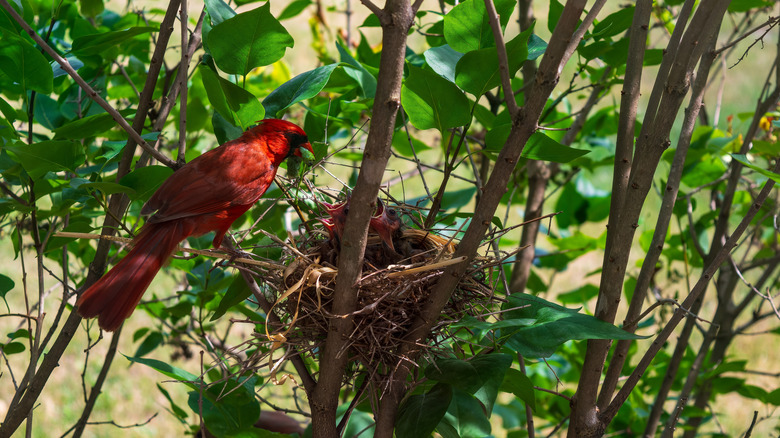
Unlike some other open nesters who prefer to build their nests far above the ground, cardinals keep theirs lower, usually only about 1 to 15 feet above the ground. These private birds keep their nests fairly hidden in evergreen trees, shrubs, or foliage, typically creating them out of materials like pine needles, bark, grass, and leaves. If you don't have much shrubbery in your yard, but you want to attract cardinals, you can always install a nesting platform on the bottom half of a tree or secure it to a sheltered area. Cardinals like a wide variety of trees, like spruce, pines, elms, and dogwoods.
Orioles
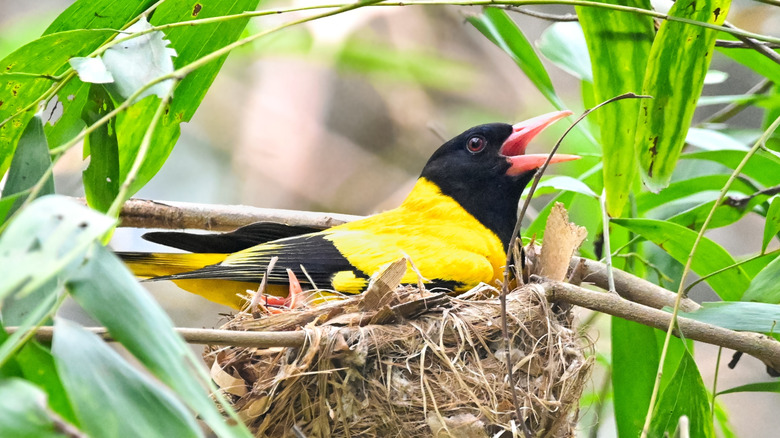
While orioles might not appreciate the beautifully crafted bird house sitting in your garden, they will still make homes in your yard as long as you provide the right space and materials for them. These masterful birds create incredibly intricate homes out of materials like grass, vines, and tree bark, usually building them high in the air. These nests can be found anywhere from 6 feet to 60 feet in the air. Baltimore orioles, for example, tend to prefer American elms or other deciduous trees. If you have these types of trees in your yard, you may spot a few orioles.