

Our Pro Gardener Shares 12 Gardening Resolutions For The New Year
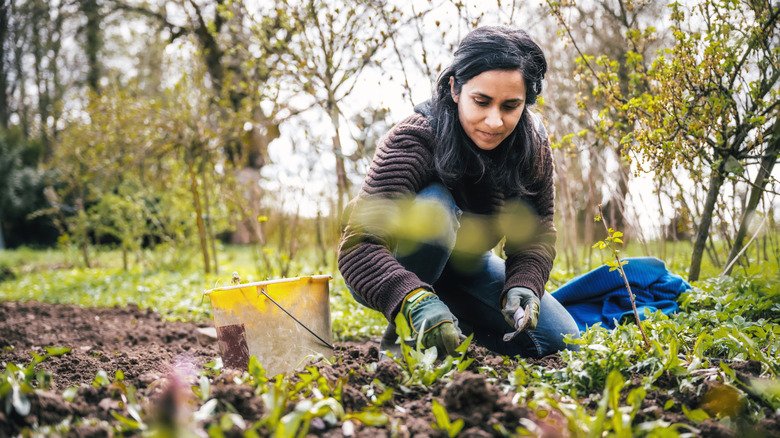
Happy New Year, everyone! It's that time of year when lots of people write a list of resolutions to help improve their lives. Since professional gardeners like me tend to be very aware of the change of the seasons, the new year being in the dead of winter (in my region, anyway) is a perfect time to change things up and make new plans. I've put together all the garden related resolutions I'm putting in place; maybe they will inspire you, too.
Every January when I'm eagerly waiting for my new seed catalogs to arrive, I make a garden wish list of things I want to try and do. Sometimes these wishes are aspirational, even fantastical ("Plant a hundred peach trees!" "Paint the fence to look like Monet's lily pond!"), but usually they're practical ways of making my work easier or more pleasant. I also try to be mindful about encouraging sustainability and bringing biodiversity into my garden, and know there's always more I can do in this regard.
But if all my resolutions were highly ambitious, it might seem too daunting to accomplish them all, so I try to make sure some of them are simple and achievable. "Eliminate all weeds" sounds good, but is it practical or realistic? Maybe it's better to say something like "Work on organic weed suppression techniques more," which gives me a concrete goal and also a guiding vision to achieve it. Here's to better gardens in 2026 and beyond!
Upcycle unneeded clutter
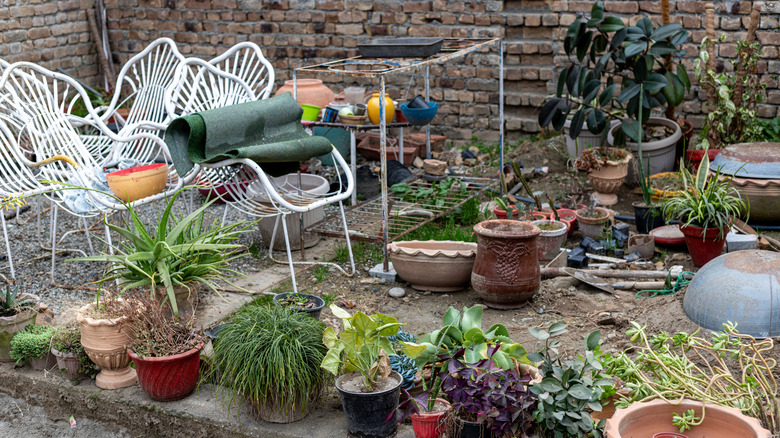
I admit it, I'm a bit of a pack rat in the garden. I always think, hey, you never know when you're going to need one of those two dozen terra cotta planters! But the reality is, too much unused stuff can look cluttered and messy, and also get in the way of important work. Do yourself a favor and clear away the clutter in spring, and again in fall, to help stay more organized and productive during the gardening season. Donate useful items to friends, or have a yard sale.
Get a head start on invasive weeds
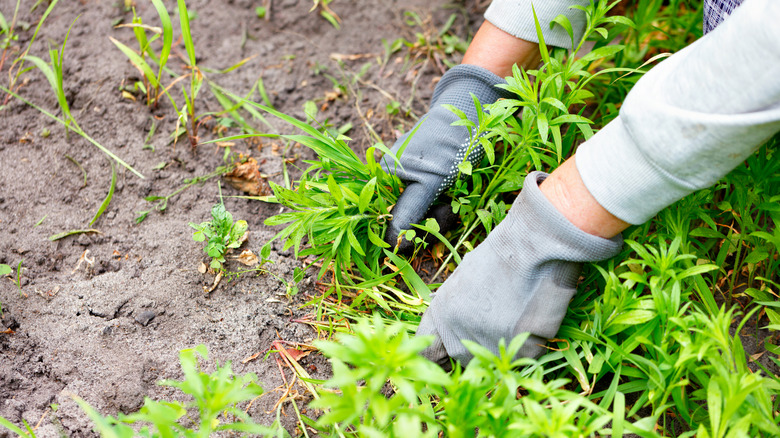
Every year I tell myself, I'm going to get on top of the weeds as early as possible. Then spring arrives and it's a whirlwind of busy activity, and before I know it, weeds have started to grow. For some tiny emergent weeds, mulching is sufficient to deter them, but for others, digging them out by the roots is needed to avoid a summer explosion. Armed with good weeding tools, spring weeding is a satisfying activity that saves back breaking labor down the line.
Encourage pollinators
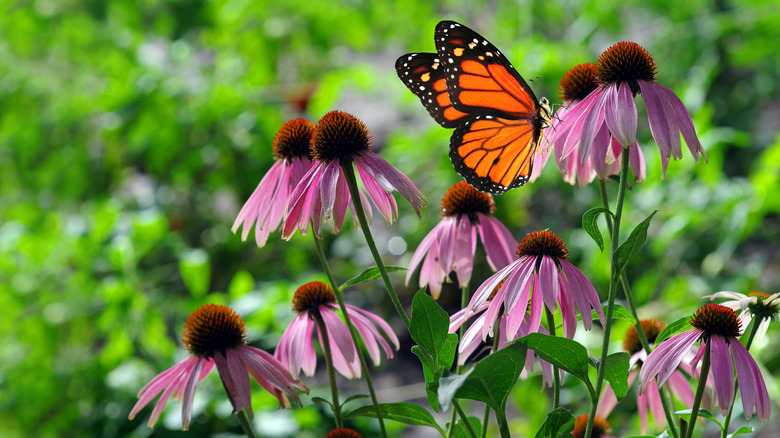
I try to do my part to attract pollinators to my garden, but there's always more I can do. I encourage my clients to adopt more pollinator-friendly practices as well. Planting flowers and shrubs that attract bees, butterflies, hummingbirds, moths, and other pollinators is a good start. Leaving leaf and brush piles alone until spring thaw when temperatures are consistently above freezing is also a good way to nurture pollinators that are hibernating. Pollinators encourage biodiversity, which in turn supports wildlife and healthy soil.
Donate perennials to gardens or groups in need
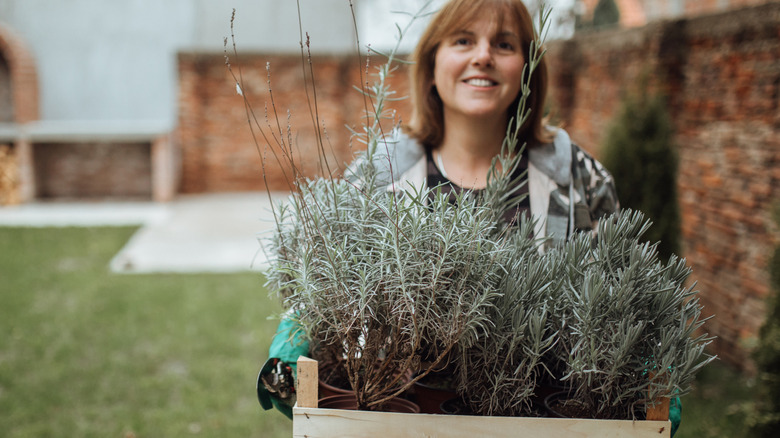
As a professional gardener, whenever I divide perennials in my own garden or in clients' gardens, I often have extra divisions left over. Since I don't have unlimited space to plant them, I often share with gardener friends. But another thing I like to do, especially if I have a lot of divisions, is donate them to community groups who are working on beautification projects. Schools, community gardens, and other organizations can really benefit from plant donations so they don't have to dip into their own funds.
Grow more berries
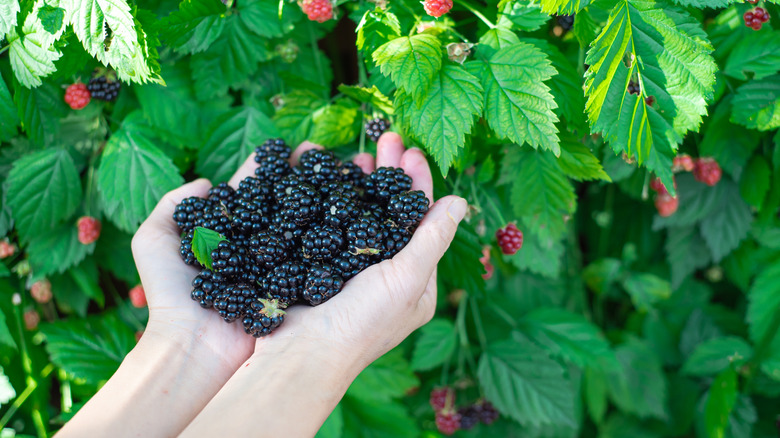
Berries are nutritious, delicious, and one of the most rewarding food crops you can grow. They do take up some space, and require steady maintenance, but the rewards are enormous. Ripe berries can be picked and frozen at peak freshness so you can use them for months. So far I'm growing black raspberries, red raspberries, and strawberries: this year I'm adding blueberries and maybe some blackberries. You need plenty of sun for all berries to thrive, and blueberries need acidic soil. Otherwise, berries are fairly undemanding.
Grow less of what I don't need
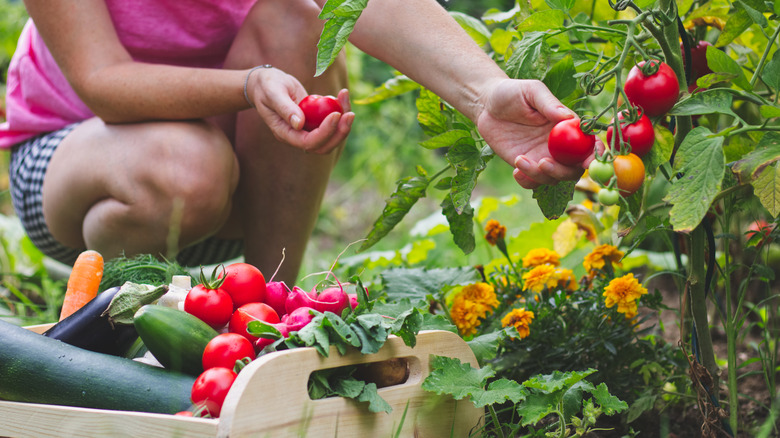
To be honest, I've been cutting back on the variety of vegetables I grow each year. Tomatoes don't do that well for me and I just don't eat enough of them to justify having multiple heirloom tomato plants. Carrots are, for me, a bit too much work. This is a situation where I feel good supporting my local organic growers, and making my vegetable garden simpler and less time consuming. The easiest, least labor intensive crops for me are kale, lettuces, herbs, potatoes, cucumbers, and onions.
Welcome more birds
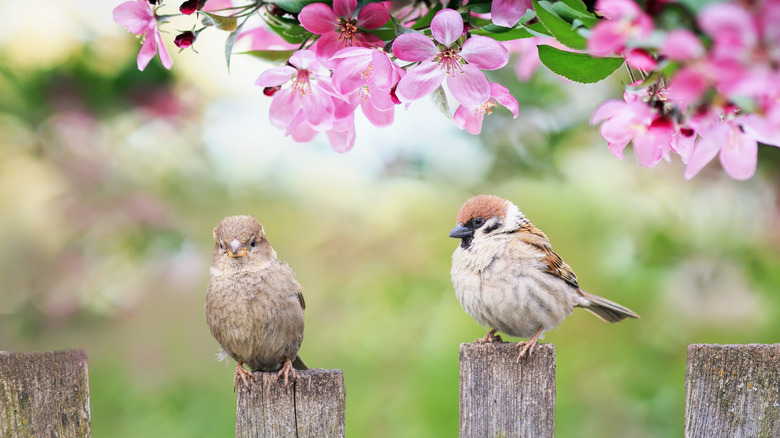
Birds are considered a nuisance by some gardeners, but I love them, and to me they're an integral part of the life of the garden. They eat bug pests (like slugs and beetles), help aerate and fertilize soil, pollinate flowers, and lend a lively presence with their songs and antics. I'm planning to try and attract a greater diversity of birds to my garden. To start with I'm adding additional feeders and a birdbath, and planting some more flowering shrubs to increase bird-friendly habitat.
Get useful garden stuff at yard sales
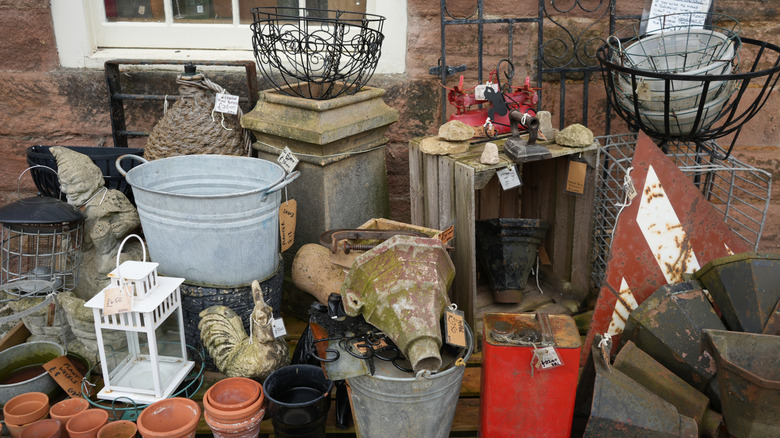
Okay, I know I said it's good to get rid of garden clutter. But sometimes you can get very useful garden stuff at yard sales and thrift shops! Planters, pots, cages, tools, statuary, and other needful things. I'm always on the lookout for older tools, which for me feel much sturdier than newer ones I get at a big box store. Give them a good cleaning and they're ready to go. And who doesn't need a big terra cotta strawberry jar shaped like a chicken?
Share my garden catalogs
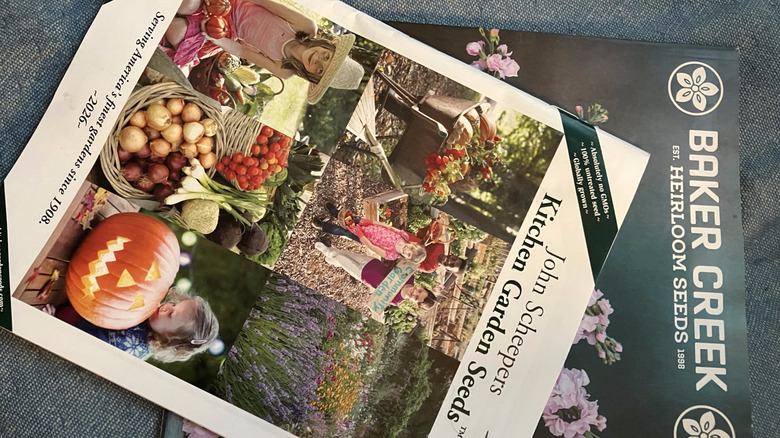
I love getting garden catalogs in the mail! For bulbs, seeds, plants, and supplies. They give me hope in the depths of late winter, help me plan my garden (and my clients' gardens), and make it easy to get things I need. But one drawback is they do tend to pile up. Of course I can just recycle them, but I prefer to share these useful publications. I give them to friends, hand them out at the farmers' market, and donate them to libraries or places looking for magazines for their waiting rooms.
More guerrilla gardening
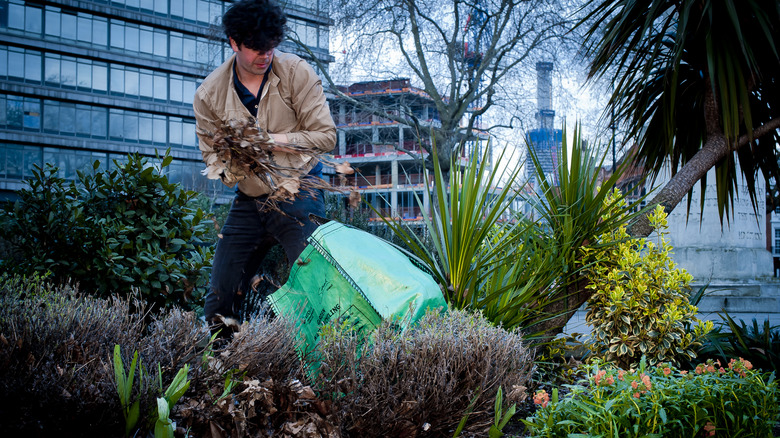
I love the stories of guerrilla gardeners planting whole gardens at night under cover of darkness, but I work during the day. I just act like I was hired to do the work. I never embraced the seed bomb trend: I find it only works if the soil is prepared. Clean up is the hard part. Once weeds and debris are cleared from a neglected patch of ground, and fresh soil added, I plant a variety of perennials and bulbs. I like to revisit these spots and sometimes find they've been adopted by new gardeners!
Move things to where they're happy
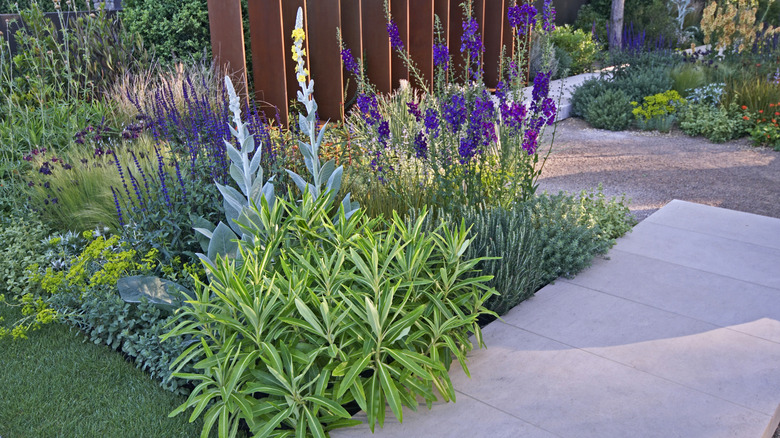
Gardening sometimes feels to me like a crossword puzzle, where I labor over the clues for what seems like a long time, then suddenly the answer pops into my head. Of course! That plant wants more sun! That one needs a spot with more protection from the wind! If a plant isn't thriving where it is, 90% of the time it needs a different spot. Research your plant's growing needs and see if it will be happier with different sunlight, moisture, or soil conditions, then replant it at the appropriate time.
Enjoy the garden
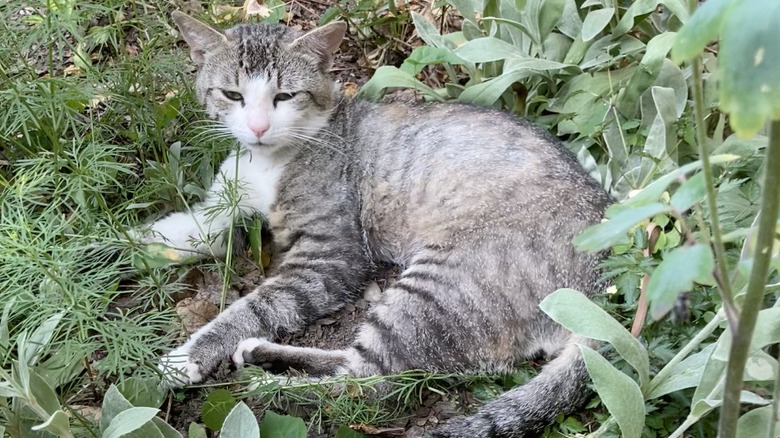
This is Marvin. Marvin doesn't mind that the garden isn't completely free of weeds. Marvin is okay with the fact that there are perennials that could use dividing. Marvin isn't bothered by the slightly grimy surface of the glass table where I have coffee while he sits and observes the squirrels, because he knows I'll get around to cleaning it tomorrow. Marvin is grateful he has a beautiful space with plenty of sun and shade to hang out in. Marvin is content to simply relax and enjoy the garden. Be like Marvin.