

13 Precautions You Should Take Around Your House And Yard To Prevent A Termite Infestation
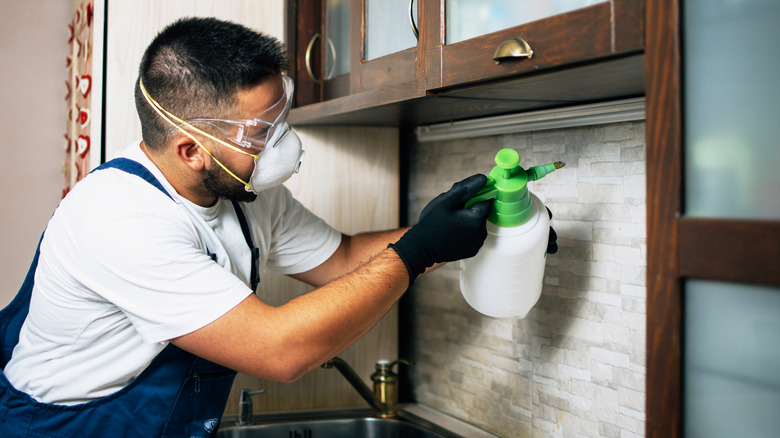
Termites are a menace, and it can feel like they arrived out of nowhere. You keep a clean house. Your yard is pretty tidy. And yet, somehow, seemingly out of the blue, you've got a termite infestation on your hands. But cleanliness and tidiness aren't serious deterrents to termites. They're attracted to two main things around a home: moisture and easy access to wood. Tiny habits can either starve them of those conditions or exacerbate those problems and invite termites in.
Most precautions center on keeping moisture out and, where there's already dampness, getting a handle on it as quickly as possible. Keeping wood out of reach and making sure termite activity is spotted early are also important prevention measures. Prevention is far better than trying to get rid of termites and fix the expensive and significant damage that's been left unchecked. According to the Environmental Protection Agency (EPA), termites cost property owners over $2 billion annually.
Fix leaks and dry out wood and soil
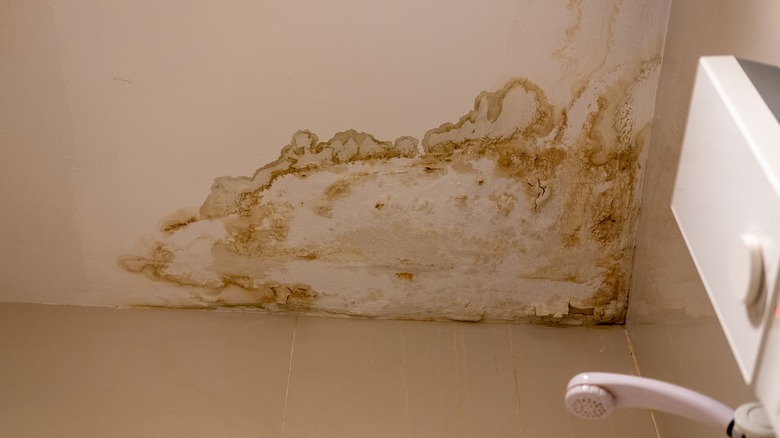
Subterranean termites need a steady supply of moisture to survive and travel around. If your home has chronic damp spots from old or bad plumbing, roof or shower leaks, or other moisture issues, they become ideal undisturbed resting spots. Slow drips under sinks, sweating cold water lines, hose spigots that drip against siding, and pinhole pipe or roof leaks all seem fairly minor, but over time, they generate enough moisture to be termite catnip. Termites use these places to feed and build shelter tubes without drying out. And you often don't notice these as they're hidden away in areas like wall cavities and crawlspaces.
Routine home maintenance is so important in termite prevention. Add moisture checks to your regular home maintenance schedule, like looking for discoloration, soft or swollen trim, musty smells, damp soil right against the foundation, and obvious beads of moisture where they shouldn't be. Fix visible leaks as soon as you spot them. Don't just put a bowl under the drip and hope for the best. Make sure you insulate pipes that sweat, too, as these can generate a surprisingly large amount of moisture over time. You'll also need to replace badly water-damaged framing or, at the very least, use dehumidifiers to fully dry soaked areas where damage is less severe. Just drying the surface isn't enough. You need to run the dehumidifier long enough to thoroughly dry the wood all the way through. Drying wood and adjacent soil between wet spells also makes an area much less hospitable to decay fungi as well as termites.
Improve ventilation in crawlspaces and other closed areas
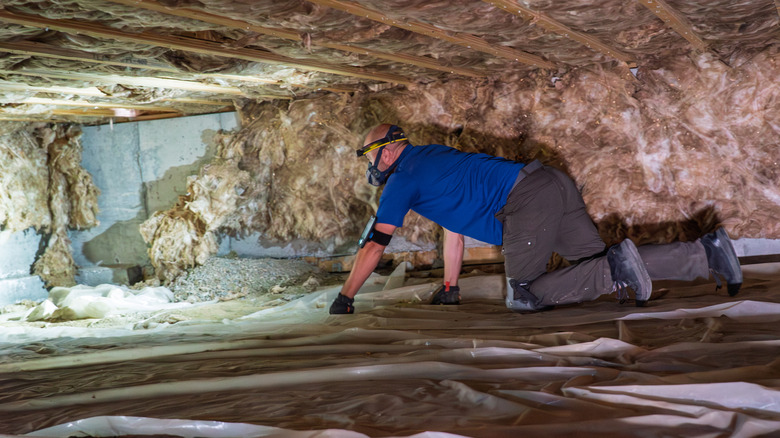
Still and humid air under your property or in an enclosed void results in joists, subfloors, and insulation getting and staying damp because there's no airflow to help keep things dry and healthy. Chronic moisture creates the perfect environment for termites to thrive. It also causes wood decay, can encourage wood decomposers (like certain fungi species) to grow, and reduces the efficacy of the insulation, as it loses much of its insulating ability once soaked.
To prevent termites from invading, you've got to reverse these conditions as soon as possible by increasing airflow. Free up the space around blocked or closed vents by removing stored items, debris, or overgrown plants. For skirted and unvented crawlspaces, consider adding vents or installing a vapor barrier. Professional encapsulation is another option — the wood won't stay dry forever, but you're aiming for it to be able to dry out between rainy spells.
The other issue here is storage. Lots of people cram their crawlspaces with boxes, lumber, and a general hodge-podge of stuff they don't know what else to do with. If you do, just make sure you leave inspection pathways and air gaps between items so you don't inadvertently add to the humidity problem.
Keep dryer vents, AC drains, and other outlets from soaking the foundation
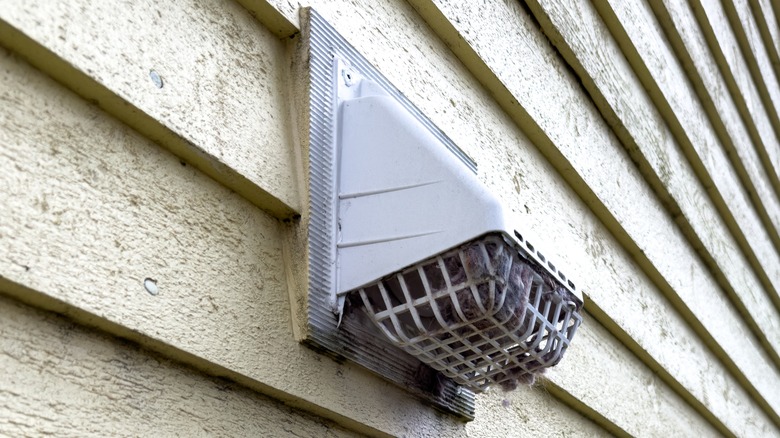
Vents that let water drip right next to a home's foundation create a permanently damp strip of soil, which just begs termites to move in. Dryer vent, AC condensate lines, dehumidifier hoses, and sump pump outlets can all cause this issue. The damp zone acts like a termite highway, letting them move freely, forage, and look for a way into the structure while keeping them moist and cool.
While you're doing your internal moisture check, add an external one. Look for damp or darker soil under vent outlets and algae and mildew stains on siding or concrete near discharge points. Also check for small depressions or low points where condensation drips and forms puddles next to the foundation. If you spot any of these signs, you need to remedy them right away. Simple measures include extending vent exhausts, condensate lines, and hoses an extra couple of feet away from the house with rigid pipe or hose. Direct these lines to a small gravel-filled dry well that acts as a soakaway. Just make sure the ground where the water ends up does actually drain, rather than just making a new puddle.
Maintain gutters, downspouts, and grading so water drains away properly
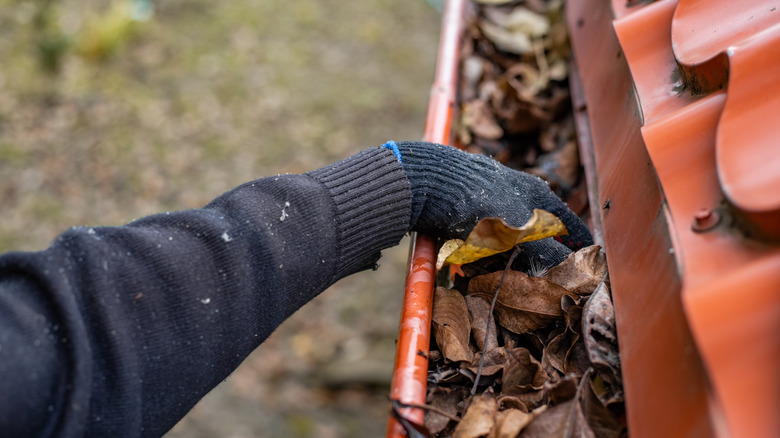
Letting your gutters and downspouts accumulate a few too many leaves seems pretty harmless, but it's one of the fastest ways to damage your foundation and roll out the welcome mat for termites. When gutters clog and overspill or downspouts get blocked or crack, they dump large quantities of water every time it rains right at the base of the wall. This is especially problematic if the yard isn't properly graded so water doesn't run freely away from the house, but instead pools and collects near the base of the walls. Damp soil around foundations also keeps the concrete cooler and moist, so termites can more easily build mud tunnels alongside or underneath, unseen and undisturbed, until they reach wood and start to do their worst damage.
You'll most likely see dirt splashes on walls and moss or mold spots at the base of your home. In severe cases, you may see swollen siding or soft spots. But if you keep your gutters clean, this can be avoided. If you don't fancy tackling the job yourself, hire a gutter cleaning service a couple of times a year and install gutter guards that prevent leaves and large particles from getting into the gutters. For downspouts, install extenders or splash blocks so the water discharges well away from the foundation. You may also need to consider regrading your yard or installing French drains so the water flows away from your property. These tactics are great for termite prevention, but they also help keep basements and crawlspaces drier, reduce mold issues, and lower the risk of moisture-related foundation issues, like foundation settlement.
Keep mulch and soil pulled back from the house
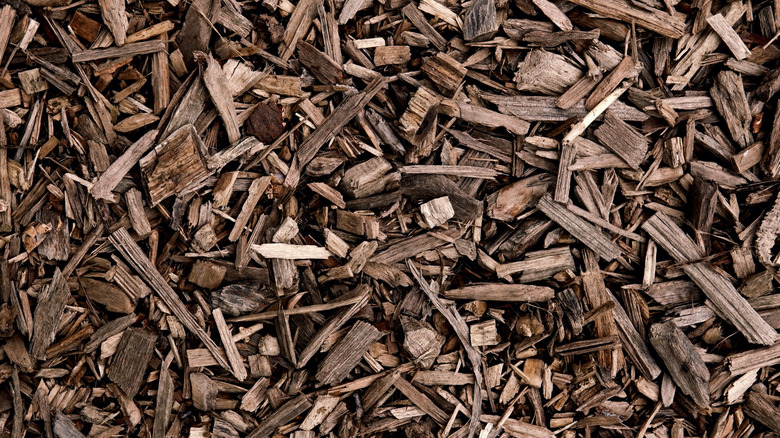
Piling mulch against siding traps moisture, just like it does when you create a mulch volcano around a tree trunk. When you pile mulch deeply against the side of the house, above the slab edge or lower brick courses, you give termites a damp, cool route to make mud tunnels and work their way through until they find wood. You essentially block weep holes and bury the inspection zone, so you won't spot the early signs of termite issues.
Keep a clear, dry foundation so that termite activity is easy to spot and inspections are easier. That way, you can identify and remedy the presence of termites before they get into wall cavities and start demolishing structural wood. Keep a strip of at least six inches between the house and the mulch line. You want to be able to see the transition between the soil, the slab, and the siding all the way around your home. Use a modest amount of mulch and taper it to only a thin layer closer to the property.
Eliminate direct wood-to-soil contact on the exterior
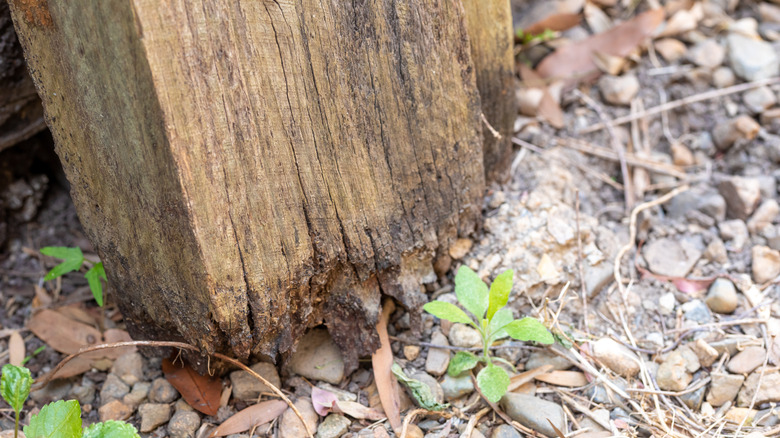
Any spot where wood directly touches the soil is bad for you and fantastic for termites. It basically acts as a "Welcome!" mat, letting them move from the soil to the wood, and then into walls or wooden framing unseen and undisturbed. This commonly happens when siding sits too low or the trim drops below the recommended clearance from the ground. Some people also don't think about their porch posts and decking supports being problematic, but if they're set straight into soil, they are at risk, too. Even wooden stair stringers, skirting resting on bare earth, or untreated landscape timbers stacked against siding can be the source of this particular issue.
Vigilance and forethought are the best forms of prevention here, which will eliminate an existing pathway or prevent a new one between the colony in the soil and the wood in your house. Avoid causing any further soil-to-wood contact. If there's already soil-to-wood contact, take quick action. You can trim the soil back to achieve the recommended clearance between the ground and your siding or trim. And, where wood has to be close to or directly in contact with the soil, use properly treated lumber. With posts and stringers, set them on concrete or use metal post bases as well as treated lumber for the best chance of keeping termites out.
Store firewood and lumber away from the house

Storing firewood near the house makes sense when you don't want to be out in the cold, wet winter weather to grab logs for the fire. But it's not a good move in areas prone to termites. Wood and cardboard sitting on bare ground or in wooden log stores right against the house is another mistake that creates a termite-friendly environment and puts them in the perfect position to figure out a way into your walls.
Ideally, keep firewood a reasonable distance from your house and store it on metal or plastic racks or pallets. Also, only bring in the logs you're going to use immediately, as you don't want termites hitching a ride inside on a log, then exploring your house. And don't forget to knock the logs together before you bring them inside to dislodge anything that you don't want to bring indoors.
Protect structural wood with appropriate termite barriers

While controlling moisture, limiting wood to soil contact, and proper home maintenance are your first and most important lines of defense against termites, you might want to call in a professional termite service as a backup element of your prevention plan. Chemical barriers and bait systems can be this safety net, especially in areas where termite pressure is high and keeping them at bay is a constant battle. Spraying for termites is an effective preventative because the chemicals intercept termites in the soil, before those little pests reach your home. And many of these products are designed to get scouting termites to take the poison back to the colony.
Do note that this isn't a DIY project. You really do need a licensed pro, as soil termiticides are only effective when applied correctly to the right places. And sometimes that includes under slabs as well as around the perimeter of the foundation. Plus, they're potentially harmful to pets, wildlife, and humans if applied incorrectly and contamination occurs. The same applies to bait stations. These only work properly when they're placed, monitored, and serviced in a way that matches termite behavior in your area. Local pest control experts understand local termite species and soil conditions, so they know exactly what works. Just remember, once you've had the work done, that you need to be careful not to accidentally disturb bait stations or treated soil, or you can break the protective ring and leave a gap for termite entry.
Elevate insulation and stored items in crawlspaces and basements

Cardboard and scrap wood packed tightly in crawlspaces that sit directly on the ground is also a bad idea, as is sagging insulation. Wood and cardboard sitting against masonry usually result in moisture buildup, and it gives termites food and cover. Infestation will be hard to see in these circumstances, as you don't normally see this part of your property very often, and the stored items can mask termite activity like mud tubes. Insulation sitting on the floor gives termites something to climb onto to enter your home.
Use shelves and platforms (not made of wood) to get stored items off the ground. Keep anything you store in these spaces a couple of inches from the walls and support posts. Reattach or replace fallen insulation using appropriate fasteners without blocking the view of the joists. Doing all of these things makes spotting termite activity easier and makes your home less accessible and attractive to these persistent pests.
Trim overgrown plants and clear debris away from the foundation

Just like mulch, dense, overgrown plants too close to your house keep walls shaded and damp. The lack of airflow traps moisture against siding and masonry, and overgrown plants mask inspection areas where you or a pro might have otherwise spotted early signs of termite activity. Keeping your home's perimeter clear lets it dry out faster after rain, reduces materials that can harbor all kinds of pests, and makes sure you or your pro has a clear view when inspecting for termite damage.
Be a little ruthless and cut back shrubs to create space between the foliage and siding. Thin out or remove lower branches and selectively remove branches higher up on very dense shrubs to open the plant up and allow good airflow, too. It's also advisable to remove plants that cling and climb, like English ivy, for example. Climbers also trap moisture where you don't want it. Plus, they can conceal signs of termite activity as well as cause and mask damage.
Seal foundation cracks and gaps around utilities
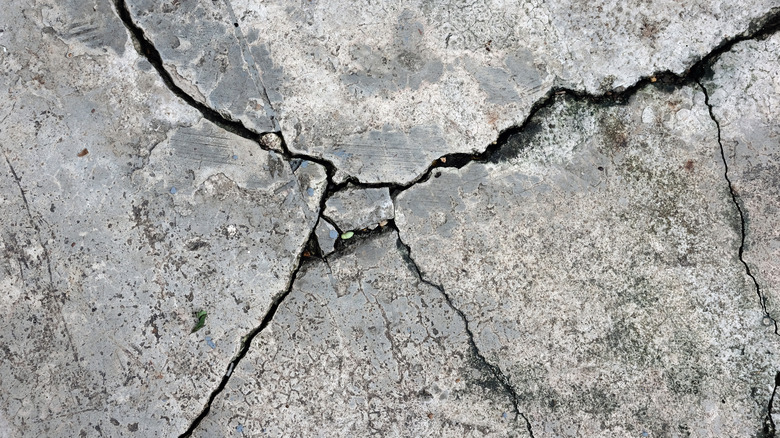
Termites can squeeze through ridiculously tiny gaps. That includes cracks in concrete slabs and gaps around pipes and cables, as well as loose-fitting vent penetrations. All of these places can act as access points for determined termites that let them get around treated soil or physical barriers and get straight inside your walls.
During your regular home maintenance inspections, make sure you specifically look for cracks and gaps. Check where water, HVAC lines, electrical conduits, and other wires or vents enter or exit the house. Also check for foundation cracks and joints in slabs. If you find any gaps wide enough to accept the edge of a credit card, you've got a gap big enough for termites to get in. If you find any, look closer for signs of mud tubes and seal any accessible cracks, using whatever is most appropriate for the type of gap and location. Sealing up all of these gaps forces termites back into the soil, where they'll hopefully be intercepted by the chemical treatments you've had installed. It also helps increase energy efficiency and prevents other pests from getting in, too.
Keep the perimeter clear so you can see the slab edge or foundation
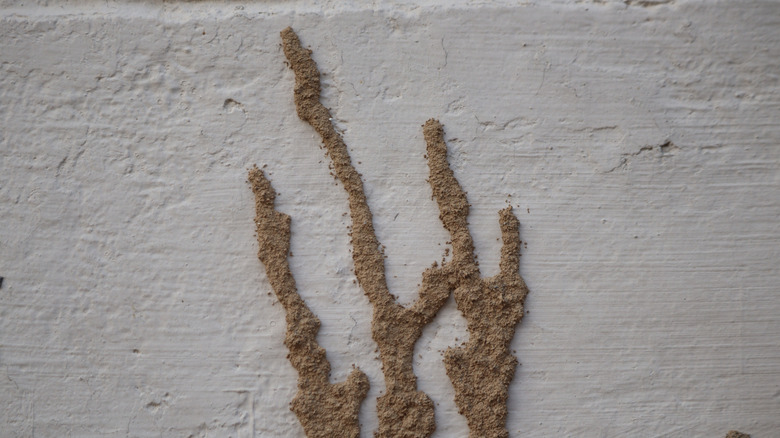
Keeping the perimeter of your home clear lets you see early signs of issues that could encourage termites. And, if there's termite activity, some of the first things you'll see are mud tubes lying on concrete. Having decorative stone, brick edging, raised beds, or walls that cover the foundation or press right up against the siding blocks your line of sight and makes spotting problems far more challenging. Plus, you create cool, dark spaces that termites use to forage and find their way inside.
To avoid this, don't add extra hardscaping and avoid building raised beds close to your house. And, although it can be a big job, if it's already there, consider removing it or at least pulling back soil, stone, and edging to the point where you've got a clear strip all the way around your property that acts as an inspection gap. Aim to keep that strip clear to make inspections easier and to make conditions less appealing to termites.
Schedule regular termite inspections and do quick DIY checks in between
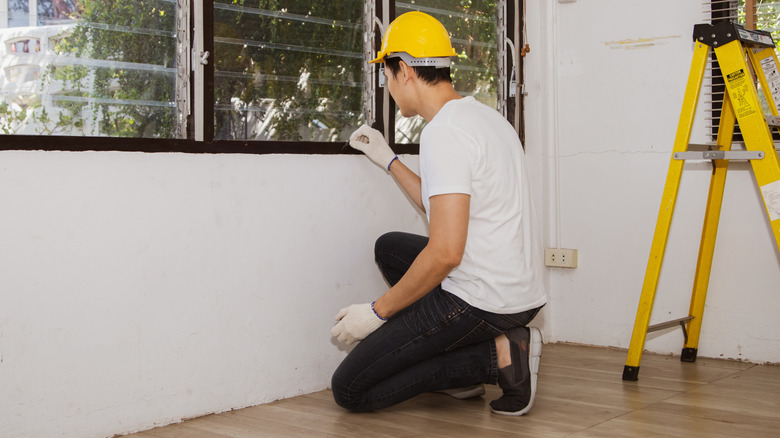
Regular termite inspections are so important for termite prevention. Yes, they're precautionary, and this is a common home maintenance job many people skip, but they let you spot early indicators of trouble before serious issues arise. Skipping these checks can mean your home ends up with a significant and very expensive termite problem before you realize anything's wrong.
Regular professional termite inspections are your best shot at finding early problems. Depending on the age of your property, it's recommended to get a professional home termite inspection every year. But performing your own DIY checks every few months is equally important. If you get to know every part of your home, you'll be able to more easily recognize when something is off. Not just for termites, but for all kinds of pests, plumbing, electrical, and other issues. Your DIY checks won't replace a pro's inspection, but it's a useful extra set of eyes. As well as the signs of vulnerabilities around your home, also look for mud tubes, piles of discarded wings, and other, more obvious signs of termite activity. And, if you see anything unusual, call a pest removal expert.