

Always Keep Your Amaryllis Bulb: Here's How To Make It Bloom Again
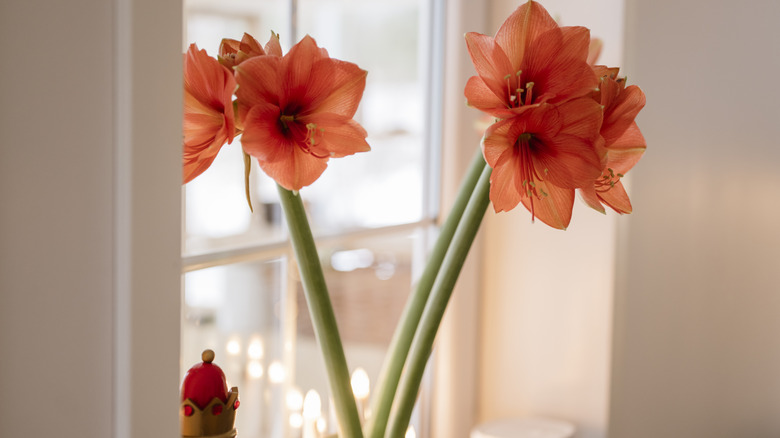
Just when the winter starts to feel glum, amaryllis (Hippeastrum) brightens up the home with big, trumpet-like pink, red, white, or peach-colored blooms on a tall stalk. It's a perfect houseplant to give or receive over the chilly months, especially if you live in a northern or midwestern state, where they won't be able to endure the temperatures outside. But did you know this lovely perennial can be the gift that keeps giving? If you save your amaryllis bulb, you can encourage it to bloom again by cutting off spent flowers and leaving the stalks until they fade, after which you can let it keep developing leaves and flowers, encourage it to grow dormant so it can bloom at a certain time, or plant it in your outdoor garden, depending on where you live.
What you should know before growing amaryllis is that the size of its bulb gives a clue to how many flowers will bloom. Bigger bulbs result in more flowers and sturdier stems. Some amaryllis plants are sold with the bulb encased in wax. If yours look like this, try to remove the wax and any other packaging; you can still replant it as long as it feels firm. Another word of caution: You should keep your amaryllis high out of the reach of pets or consider regifting it if that's not possible. Another word of caution: You should keep your amaryllis high out of the reach of pets or consider regifting it if that's not possible. The plant, especially the bulbs, is toxic to pets. According to the ASPCA, all parts of the flower can cause symptoms from convulsions and vomiting to cardiac arrhythmias in both cats and dogs.
Two different methods to encourage repeat amaryllis blooms
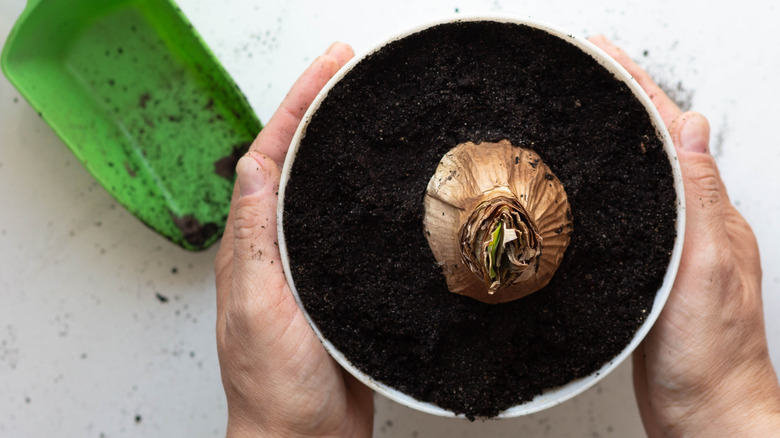
To encourage repeat blooms after your amaryllis' three- to four-week blooming span, cut the flowers off after they're clearly finished blooming, but leave the stalk as long as it's still green. This keeps the bulb nourished and ensures the plant isn't wasting energy on seed production. You can cut off the stalk with clean tools like pruners or a knife once it turns brown or yellow. Place your potted bulb where it can get plenty of sun, fertilize it each month with an all-purpose fertilizer (following label instructions), regularly water it so the soil is a little moist but not wet, and watch for the new stalks, leaves, and blooms.
If you want your amaryllis to bloom again at a certain time (giving you beautiful red blooms for the holidays, for example), let the plant go dormant, then encourage it to break out of that state. In nature, the plant's typical growth pattern involves a fall resting period after the leaves die, followed by a resurgence of flowers in the spring. Set the plant up for dormancy once the flowers have died and any discolored foliage is snipped off.
Keep the bulb in its pot, but move it into a cooler, darker place for at least eight to 10 weeks, and withhold water. The temperature in this new spot should be between 50 and 55 degrees Fahrenheit. When the plant's rest period is over, and you're ready to bring it back to life, give it a good watering and move it to a warmer location where it can get plenty of light and the temperature stays around 70 to 75 degrees. It may take up to six weeks for new growth to appear.
Where and how to move amaryllis bulbs to an outdoor garden
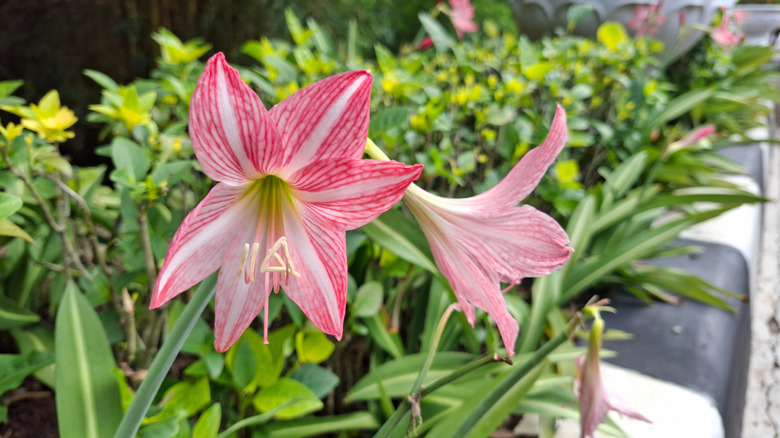
If you live in a warm climate, a potted amaryllis plant can take on a second life outdoors if you save your bulbs. These plants, which come from tropical and subtropical areas in Central and South America, can grow outside in USDA Hardiness Zones 7 through 10. After the last frost has passed, potted amaryllis plants can be moved to a container garden on your patio or settled into garden soil. Wherever their new home is, they should eventually get six or more hours of sun every day, but first acclimate them by putting them in indirect light and gradually moving to full sun.
Growing amaryllis outdoors in a container gives you the flexibility of being able to take them back inside when the temperature dips or move them around to find the right balance of sun and shade in your garden. These plants are happiest when there's not much excess moisture in the soil and their long stalks are shielded from harsh winds.
If you're confident in your climate, you can plant the bulbs directly in the soil and look for annual blooms late in the spring. In this case, the bulbs should be in well-draining soil with the top of the bulbs exposed. In the fall, once they go dormant, covering them with a 2- to 3-inch mulch layer will set them up for success for outdoor growing, especially in zones 7 and 8. If you've planted directly in the ground in zones that get below freezing, where they can't survive the winter, you'll need to dig up these cold-sensitive flowers and save them for the next season.