

What The Rust On Your Water Heater Could Be Telling You
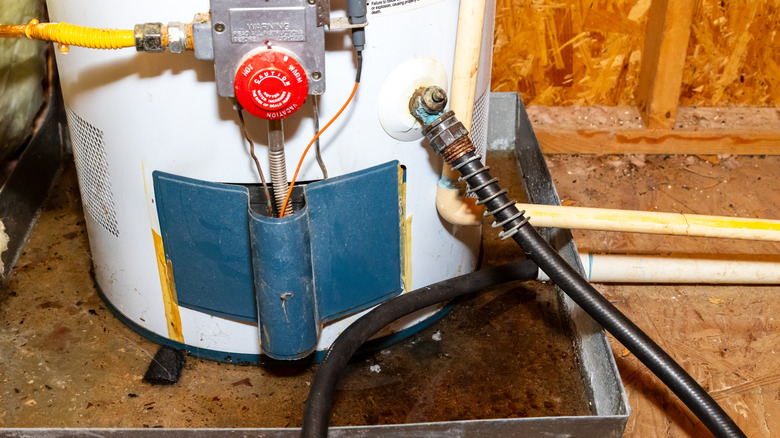
Finding a streak of orange or a crusty patch of rust on your water heater usually means the metal is losing its fight against moisture. Many homeowners don't realize water heater tanks are designed with a protective lining, but that shield doesn't last forever. Small cracks can form over time, allowing water to come into contact with the steel shell. Once that happens, oxidation takes hold and begins to eat away at the water heater tank. If you see orange water pooling at the base, it's a sign that the tank is decaying from the inside out, and it may be time to replace your water heater.
Ignoring these signs can lead to a messy and expensive cleanup. You might also notice that your tap water has a metallic taste or looks a bit cloudy when you run a hot bath. These changes happen because bits of rusted metal are breaking off and traveling through your pipes. Catching the problem early can help prevent a sudden leak that could flood your home. While some rust on the outside of a water heater might look minor, it usually means that the integrity of the metal has been weakened.
How to tell if the sacrificial anode rod needs replacing

Inside most water heaters is a long metal component called a sacrificial anode rod. Made of magnesium or aluminum, the rod's sole purpose is to corrode so the tank doesn't have to. It draws any corrosive elements in the water to itself, acting as a lightning rod for decay. Over several years, the rod eventually dissolves until there is nothing left but a thin wire. Once the rod is depleted, the water begins to eat away at the steel walls of the tank, leading to visible rust on the exterior. If you're noticing changes in water temperature, this corrosion could be a reason why your water heater isn't heating properly.
Homeowners with water softeners need to be especially careful, since salt makes the water more conductive. This environment causes the anode rod to break down much faster than it would in a standard setup. If a plumber hasn't checked the rod in three or four years, rust on the tank is a strong sign the part has already dissolved. Replacing a spent rod is a typically budget-friendly fix that can add years to the life of the water heater. If you wait too long and the tank itself starts to pit and flake, a simple part replacement won't be enough to fix the damage.
How sentiment can cause overheating
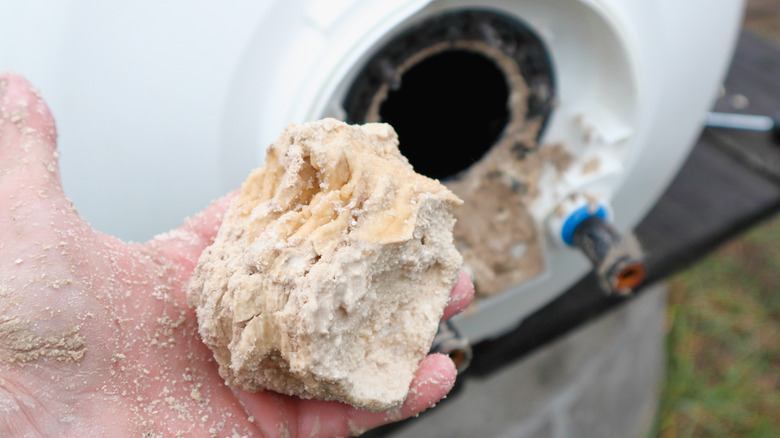
As water cycles through the heater, minerals like calcium settle at the very bottom of the tank. This creates a heavy buildup of sediment that acts like a barrier between the heating element and the water. To get the water hot enough, the tank has to run for much longer than it was designed to. This constant overheating puts a massive amount of stress on the metal, causing it to expand and contract repeatedly. Over time, this movement makes the internal lining brittle, allowing rust to form on exposed steel.
You can often hear this problem happening before you actually see the rust. If your water heater makes a popping or rumbling sound like a tea kettle, it's steam bubbles forcing their way through mineral buildup. This extra heat eventually damages the bottom of the tank, which is why rust often shows up around the lower rim or the burner assembly. While you can try and flush the buildup out to improve efficiency, the appearance of rust usually means the metal has already started to fail. Recognizing these signs that you need to replace your water heater can save you from a major flood. Once a tank rusts through, replacement is the only safe option before catastrophic failure occurs.