

10 Things To Avoid Putting In The Microwave
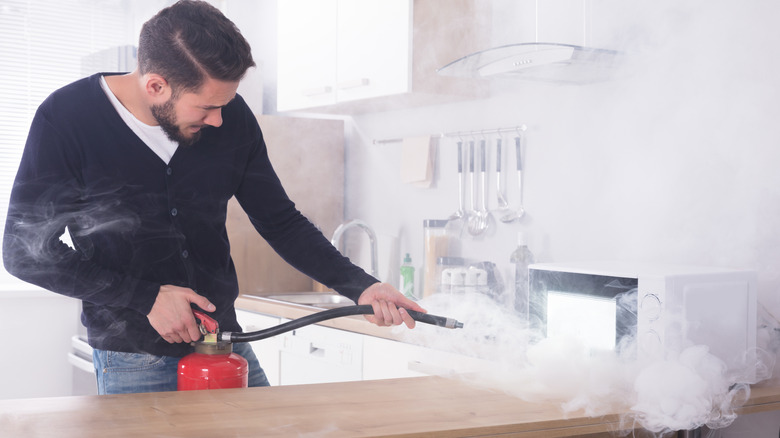
For many of us, the microwave is one of the most often used appliances in the house, providing quick and easy ways of heating up food and drinks in a flash. And while this small but mighty invention has radically transformed how we use the kitchen, with such convenience comes a necessary caution. Because microwaves use electromagnetic waves to heat contents through molecular agitation, certain materials pose safety hazards or fire risks. Other things, when rapidly heated, can create issues for the food and drink you're consuming. In order to safely operate this tool of modern convenience, you need to think twice before putting certain items in your microwave.
Household items like aluminum foil can cause sparking that may damage the microwave or start a fire, while sealed containers can cause pressure to build up and explode. Certain food storage containers, like Styrofoam and coated cardboard, pose a silent, yet toxic threat, introducing unhealthy chemicals into the items you eat and drink. However, with some care and attention, and the use of microwave-safe materials, the microwave is nothing to fear.
Aluminum foil
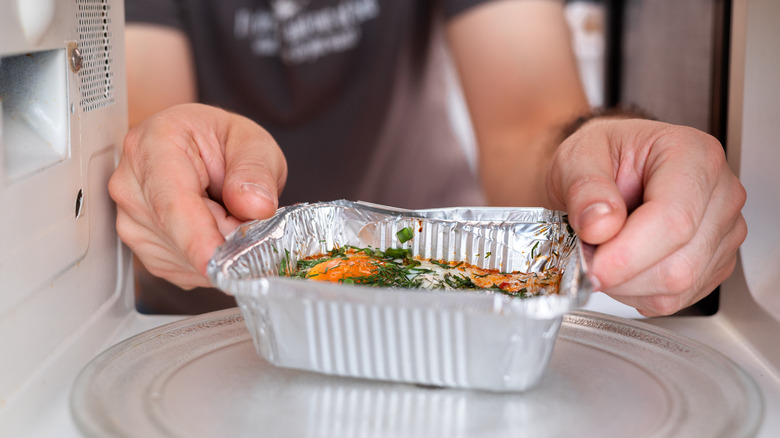
Aluminum foil and other metals are hazardous in the microwave because metal reflects energy instead of absorbing it. Rather than absorb the microwaves like food does to heat up, the waves actually bounce off the metal in a process known as electrical arcing. It will cause electricity to jump across all the surfaces in the microwave, creating dangerous sparks that can ultimately ruin the magnetron or other internal components of the appliance, or in the worst case, start a fire in the kitchen. Use microwave-safe plates and bowls instead when reheating food.
Styrofoam
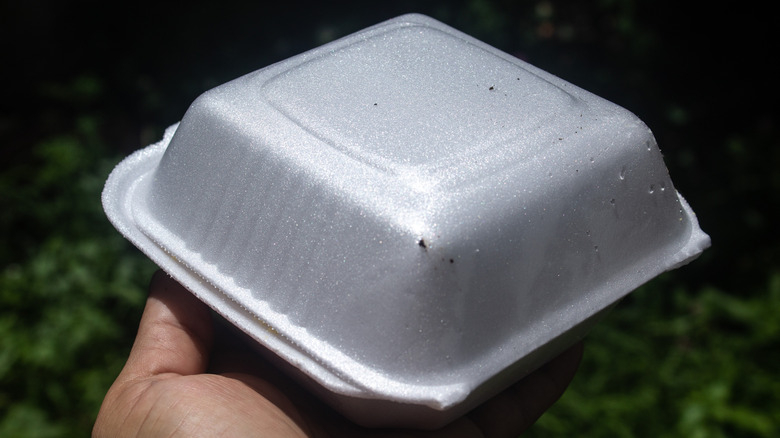
Most Styrofoam (polystyrene) isn't heat-stable and can melt or warp in the microwave, leaching chemicals like styrene into food. Not all Styrofoam is of concern, however, so be sure to pay attention to "safe to microwave" messaging on the material to see whether or not it has been tested or approved by federal entities for heat. Otherwise, avoid the material in the microwave so you're not accidentally consuming substances that have been linked to health issues such as cancer.
Single use plastics
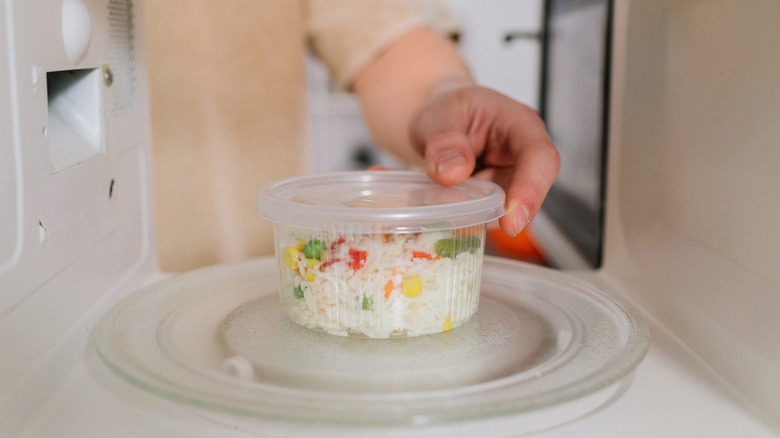
Certain plastic containers, particularly those manufactured for single use, like yogurt tubs, are thin plastics meant to last only in cold storage. However, when heated up in the microwave, these containers will melt down quickly, damaging the appliance. Chemicals and small fragments from the plastic, known as micro- or nano-plastics, will also get into your food, affecting both flavor and safety. It can also introduce chemicals into your body via any contaminated food consumed. Some of these compounds have been linked to cancer, neurological issues, and hormonal disruption.
Dry sponge
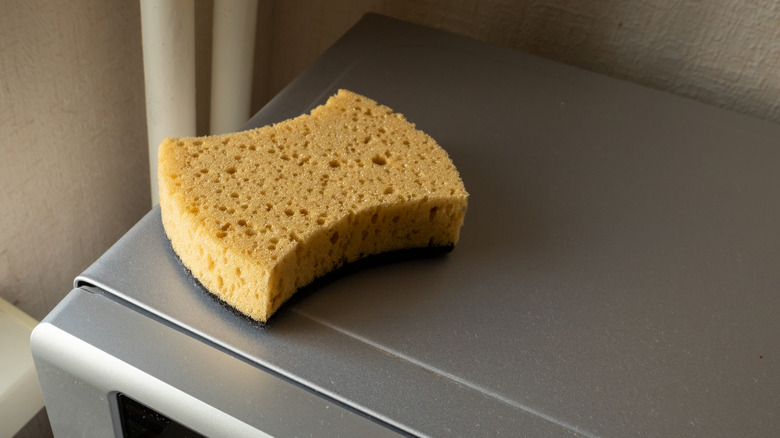
Research shows that microwaving a sponge helps kill almost all of the bacteria harbored inside the cleaning tool, sterilizing through heat and helping keep your kitchen sponges clean. However, while this is a traditionally healthy practice, avoid microwaving sponges when they're dry. Dry sponges are susceptible to burning, which can harm the interior of your microwave as well as create a dangerous kitchen fire. Without moisture to absorb energy, dry sponge fibers can overheat and ignite.
Whole eggs
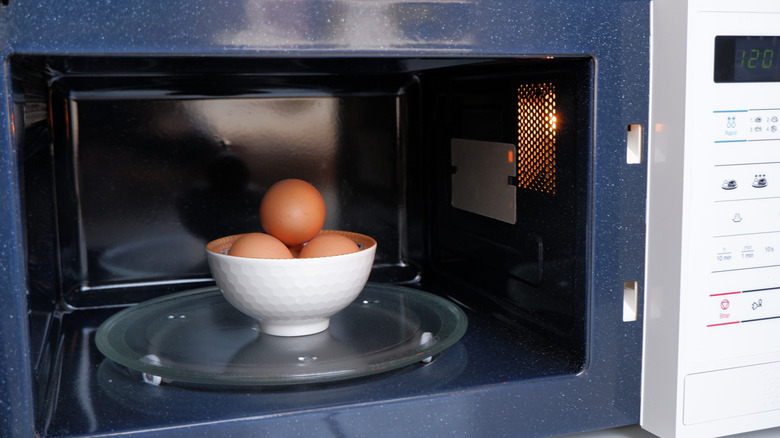
There are an abundance of cooking hacks out there to help you reduce your getting-ready time in the mornings before heading out the door; however, microwaving whole eggs still in the shell is less of a hack and more of a hazard. The microwave creates steam inside the shell faster than it can escape. This causes a literal pressure cooker environment, where the egg is like a bomb waiting to explode. Ultimately, the eggs will blow up, either in the microwave or when you try to pry the shell off.
Brown paper bags
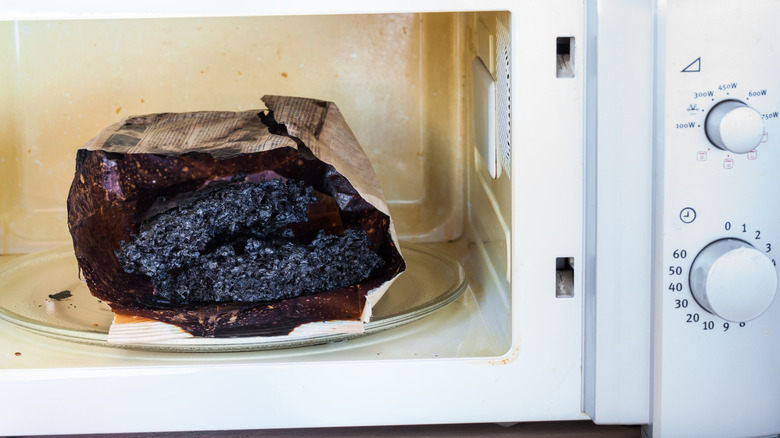
While it may seem like a good idea to DIY a popcorn bag from a regular brown paper bag and kernels, in reality, you're running many risks. When you put paper bags in the microwave, it poses a fire hazard since paper is flammable and can overheat and catch fire. Paper bags can also release inks, dyes, or adhesives into food when heated. Lastly, when you heat paper bags, it creates a warm, soggy environment where bacteria can grow and get into the food as well.
Metal containers or dishware
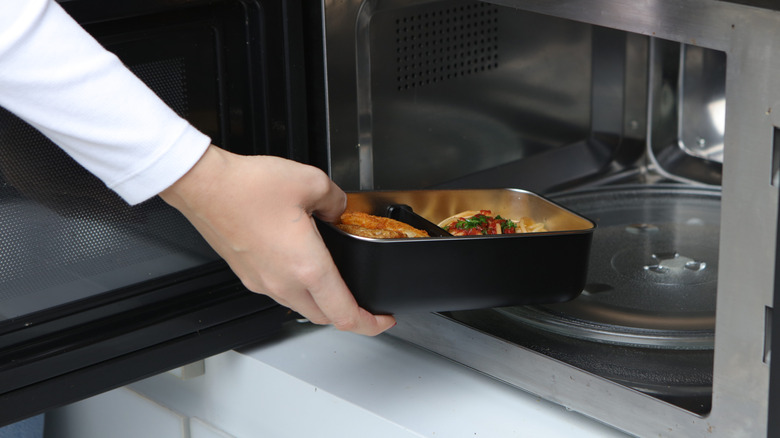
Like aluminum foil, metal containers like travel mugs, bento boxes, and gold or silver-lined plates can cause electrical arcing in the microwave when heated up, resulting in damage to both the appliance as well as the dish or container. For items like gold or silver-lined plates, you run the risk of ruining an heirloom or vintage piece. For travel mugs that are sealed, the microwaves won't be absorbed to heat the liquids inside anyway, meaning you're risking the health and safety of the microwave and those around you for nothing.
Containers with tightly sealed lids
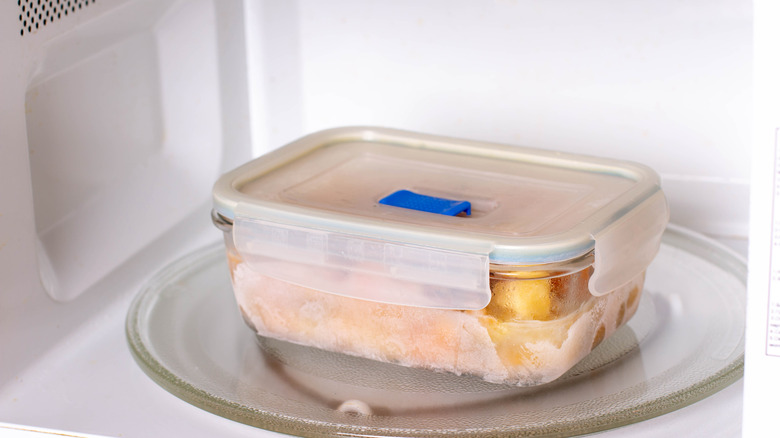
Whenever you need to microwave anything in a container, be sure to take the lid off; microwaving sealed containers, particularly ones with airtight functions, doesn't allow for steam and heat to vent out of them. Trapped heat builds internal pressure, which can cause the container to explode. If using a glass container, that means shattered bits in your food, ruining the meal, not to mention a big microwave clean-up job. Avoid the headache, and remember to vent!
Peppers or pepper products
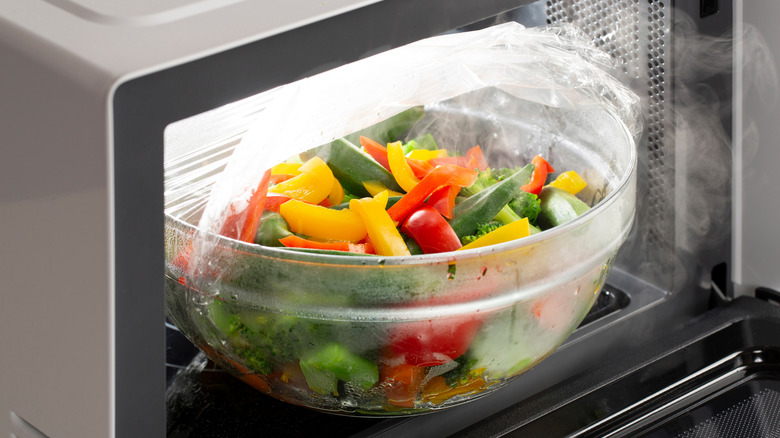
While you may love peppers for their spicy taste, heating them up in the microwave will cause capsaicin, the same chemical that makes them nice and spicy to eat, to release into the air. The microwave's fan can circulate capsaicin vapors throughout your kitchen, irritating and burning your eyes, nose, and lungs. In extreme cases, peppers can even catch fire in the microwave, causing a noxious inferno inside the appliance. If you want to avoid pepper-spraying yourself, it's best not to put these in the microwave.
Cardboard
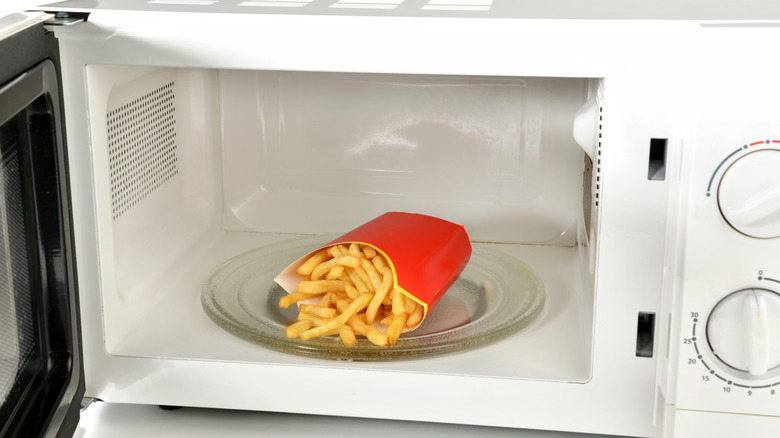
Cardboard and cardboard products are yet another culprit when it comes to microwaving items that can cause potential hazards. Though foods often come in cardboard service items, that doesn't necessarily mean they're microwave-safe. Often, cardboard is made of glues, waxes, and other treatments that can leach into your food when heated up. The microwave can also potentially over-dry the cardboard, posing a fire hazard when the material's flammability is increased. It's best to take your food out of any of these lined cardboards and heat it up on a plate instead.
Nothing
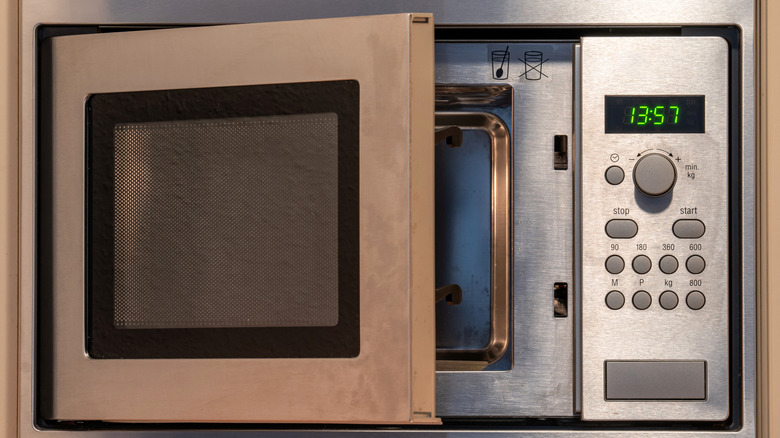
While running an empty microwave accidentally because you forgot to put your frozen lunch in it likely won't cause too much damage, running it for long periods of time without anything to heat up in it will actually cause issues with the appliance. Without food or liquid to absorb energy, the microwave itself may overheat and shut down. In some cases, the appliance may cool down and reset on its own, but if it fails to work afterward, professional servicing or replacement may be required.