

The Brilliant Solution For Keeping Important Papers Organized
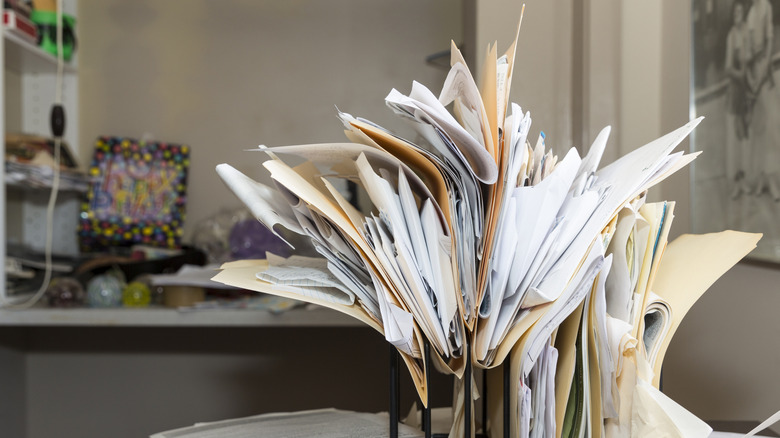
Documents and paperwork are a part of everyday life. Most of the time, manuals and important papers get thrown into a random place, taking up space and often forgotten until you realize you need a manual or a warranty to fix something broken. Then, you spend hours hunting through your home, hoping they aren't lost forever, and swearing that you will find the best ways to organize all the papers around your house. If this sounds familiar, here is your sign to finally get organized. Instead of letting these important pieces of paperwork disappear into the void or potentially get thrown away, set up an established place for them.
For this hack, you will just need a big binder and some plastic sleeves, as seen in a video by TikToker @ameliagoebel, where we can see what she nicknames her "House Bible." There are many names for it, though, including household, home, emergency, or family binder, depending on what you store inside. The binder keeps all of your most valuable documents and materials tidy and accessible, and there are some heavily suggested items to include from people who actually use this organization hack. Amelia notes that manuals for appliances and devices, as well as extra parts and warranties that come with them, are ideal items to store here. Additionally, you could snap a photo of them (with their product and serial number tag) and put those in the folder for insurance purposes. With those organized, you can take your binder a step further by adding all sorts of important home-related documents and personal paperwork inside.
What you may want to put in your household binder
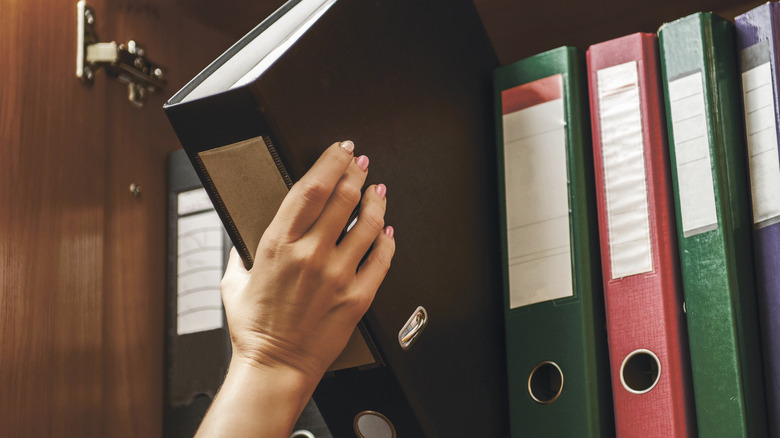
If you want it to be an all-in-one document destination, put all of your home's important documents and items in your household binder. This includes extra keys, copies of appraisals, and tax information. Many real estate experts suggest that you hold onto certain important home records, like deeds, lease agreements, titles, and insurance, in case of disputes or emergencies. You can also keep the records from all of your subscriptions or paperwork that have to do with your home, such as contact information for contractors and technicians, HOA documents, logs of when you made renovations and updates, and paint and carpet swatches in case you ever need to match them later on.
Some people make this a folder for all aspects of their household. Not only do they put important paperwork related to their home, but they also store critical documents for their family — social security cards, medical records and authorization forms, passports, birth certificates, resumes, and anything else that is important to have. You could put vehicle titles and insurance information in there as well.
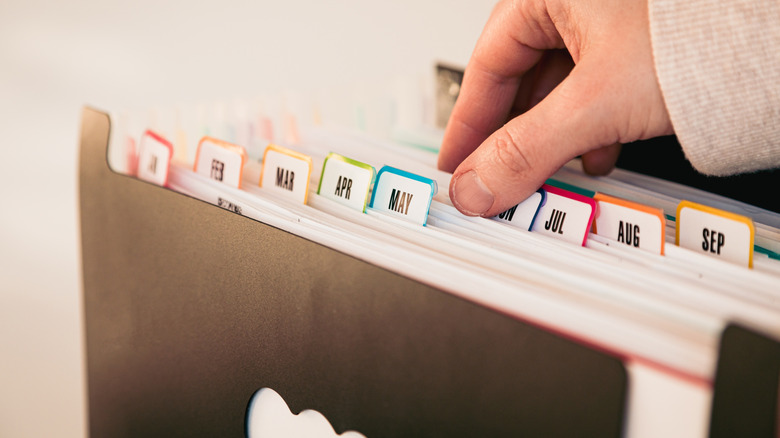
If you want something a little more stable to handle bulky documents and small replacement parts easier, another option is to swap out the binders and sleeves for an accordion folder. These are made to hold all sorts of items, and they can fold back up. They are also a little more sturdy with each slot, so you don't have to worry about plastic sheets ripping or things flopping around. To make it easier to find the exact item you want, add labeled tabs for clean and clear organization.
How to make your home binder a little more secure
The more you add to your binder, the more important it becomes. While losing your file full of warranties and manuals due to an accident is disappointing, you may find a lot of the information online. However, documents like vehicle and house titles, social security cards, and birth certificates are items you want to keep extra safe. The chances of floods or fires are always a possibility, so getting a water- and fire-proof safe can help give you peace of mind and add another layer of protection. Make sure you know what to look for when buying a home fire safe before purchasing one, though, to ensure the binder is actually protected.
Another way to make sure these documents are always there when you need them, is to have a digital backup. It's not a perfect fix, as some electronic forms of documents cannot always be accepted, like licenses, passports, and social security cards, but it does give you a temporary solution and the information you need until you're able to collect physical copies again. Plus, these are easy to access and share with anyone who may need them.