

Debunking Common DIY Hacks For Repelling Mice
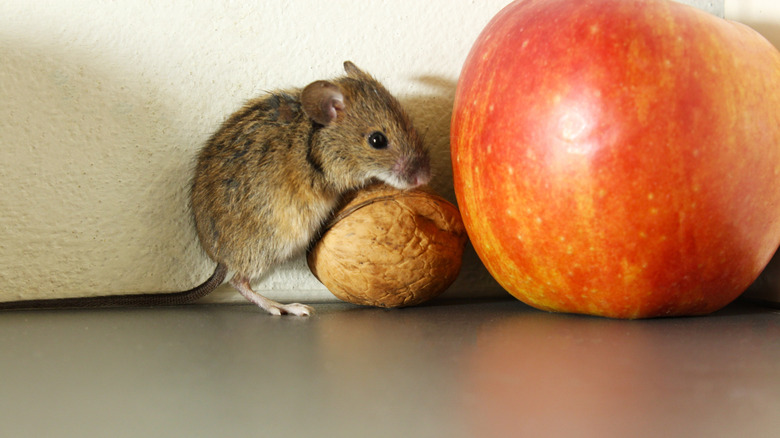
Rodents aren't known for being picky, but when you search online for DIY repellants, you may get the opposite impression. You might hear that your pantry and tool shed are full of natural alternatives that can replace deadly traps and poisons. But if you've ever had a true rodent infestation, you'll know better than to believe it. It's possible that certain essential oils, spices, or other DIY remedies will cause mice to crawl back into their holes for a little while, but eventually they will get hungry and return.
It's a good idea to read about some of these bogus rodent repellants so that you don't waste your time. For each of them, there is a little bit of truth as to why they might keep mice away, but, as you may have already observed, the only foolproof solutions tend to be tried-and-true methods that seal their entryways, catch and release them, or kill them. After you've taken care of your rodent problem, it's also key to keep your floors clean and leave food stored on elevated surfaces to prevent mice from returning.
Mothballs
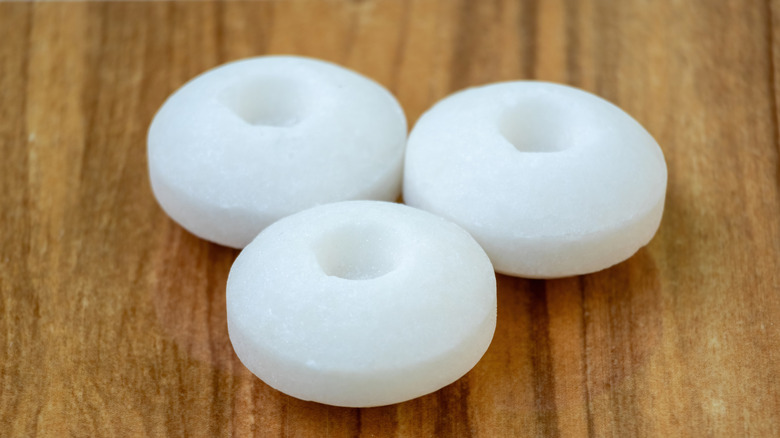
If you like vintage clothing, there's a good chance you have some experience with these tiny white pellets that are used to keep moths away. You can usually tell if they're in the room by their strong chemical odor, which is said to keep mice away — but it isn't true. Mice may become used to the odor, and toxic chemicals including naphthalene and paradichlorobenzene could harm humans and pets, which is why you should stop using mothballs immediately. Due to their toxicity, the Environmental Protection Agency has even made it illegal to repel mice with mothballs.
Chili powder

Chili powder can irritate a rodent's central nervous system using a compound called capsaicin. Mice inhale the spice and it burns their nostrils, repelling them temporarily. But mice are nothing if not persistent, and they will eventually grow accustomed or learn to avoid the chili powder. If they know a home or apartment has food, they'll find a way to get to it, so keeping your living area clean and putting food away is better than trying to use chili powder.
Dryer sheets
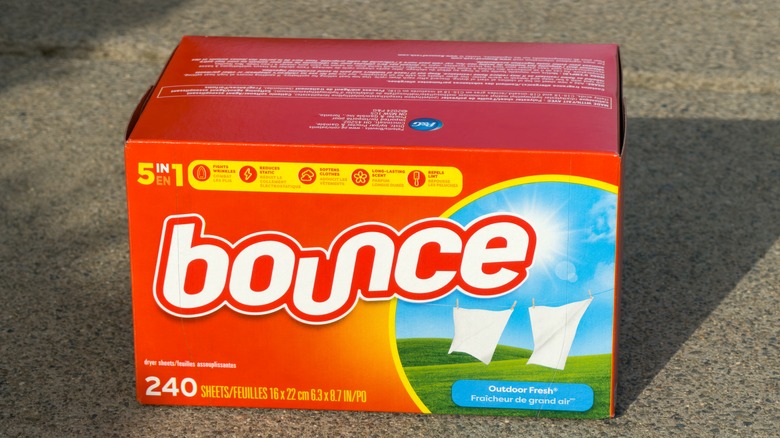
Mice sometimes become overwhelmed by artificial odors, like the kind produced by the chemicals in dryer sheets. That's why some people plug mouse holes with dryer sheets. This establishes both a physical and chemical barrier. But mice will eventually get used to the smell and chew or burrow through the sheets, which they may even recycle as bedding. Instead, mouse holes are important place where you can use steel wool, which they will have a lot more trouble biting through.
Ammonia

Like many household cleaners, ammonia can affect a rodent's central nervous system, and the sharp odor can irritate the eyes, throat, and nose, which is why some people pour it around entrances where mice can get in. This isn't advisable, because mice eventually grow accustomed to the smell. You also shouldn't use ammonia because its odor can cause wheezing and headaches in humans and pets. As a substitute, try setting traps or even borrowing a friend's cat for a few days. The smell of the cat will repel mice.
Ultrasonic devices

Companies like Victor and Orkin have long sold mousetraps that snap the necks of rodents before they can bite another morsel of cheese. Animal welfare advocates argue that snap traps are inhumane, especially because they often do not kill the rodent right away. This has led these same companies to sell harmless ultrasonic repellents, which emit high-frequency sounds that are intended to scare away rodents. The only problem is that mice quickly get used to the frequency, and learn to ignore it if food is nearby, rendering the device useless.
Wolf or fox urine

This is one of the more far-out methods that isn't common in most people's households. But wolf and fox urine are marketed online to repel deer, coyotes, and mice. Supposedly, compounds in the urine activate a natural fear of predators, but there are a myriad of reasons why wolf urine isn't ideal. The most obvious is that you probably don't want your house smelling like animal urine. Secondly, you have to reapply the scent every few days if you want it to work. But lastly, mice will eventually get used to it, so it isn't effective long-term.
Peppermint oil

Sources all over the internet might claim you can use peppermint essential oil to keep mice out of your home. This is partially true. If an oil mixture is sprayed or soaked napkins are placed in infested areas, the strong peppermint oil can bother their noses and mask the scent of food, keeping mice away for a short while. However, this is not a definite solution, because, once again, mice may eventually become used to the smell or find alternate routes to get to food.
Irish Spring soap
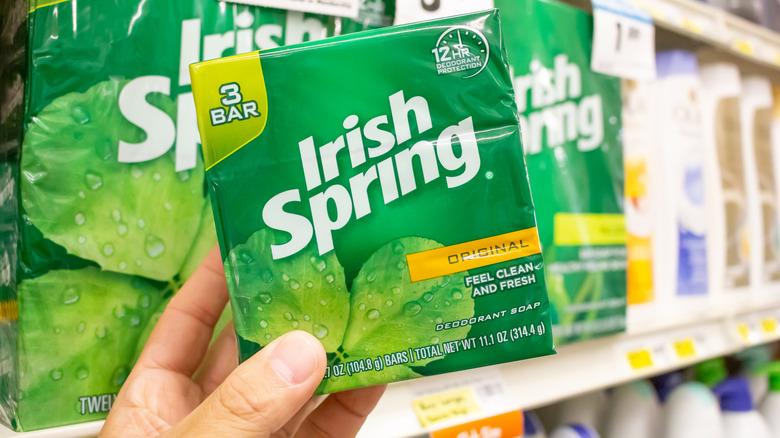
There is a myth that soap — specifically Irish Spring brand — can repel mice with its strong scent. That's why some people will scatter shavings around the common entryways mice use to get into houses, especially during periods of strong rainfall or freezing temperatures that force mice to look for shelter. But unfortunately there is no evidence that soap is either a poison or a deterrent. In fact, mice might even eat the soap. Instead, it's better to keep mice out of your home with a mesh cover over their entryways.