

Should You Replace Your Gas Stove Yourself? What To Know Before Trying
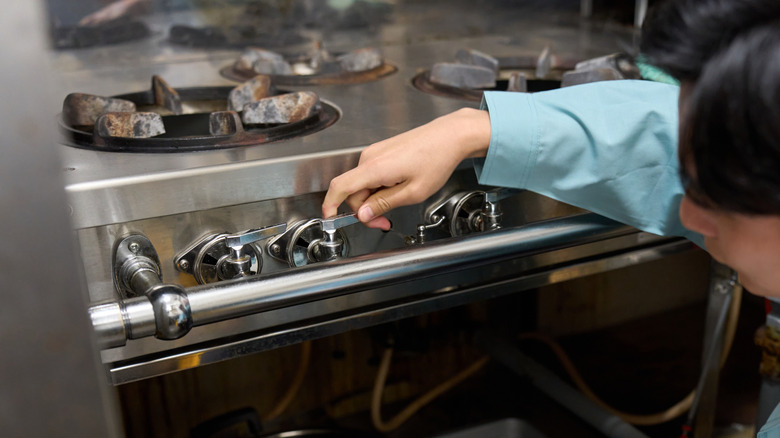
Swapping a gas stove yourself looks like a pretty simple task, right? Just disconnect the old stove, slide the new one in, and you are good to go. However, poorly handled attempts in gas work can lead to a leak, a fire, or even an explosion. In fact, federal safety data and investigations frequently link improper installation of gas-powered appliances to seriously dangerous outcomes, with some even leading to loss of life. So, should you replace your gas stove yourself? Well, the answer depends on where you live and how handy you are. In some places, citizens are prohibited from installing gas connections themselves. They must get a licensed professional to do it. Even if the DIY is legal, depending on the gas stove brand, a DIY replacement might void its warranty.
Furthermore, local regulations might still require you to have your replacement work inspected for safety. So, make sure to learn about your local laws and regulations before attempting a gas stove replacement yourself. You don't want to end up with a code violation, after all. Also, keep in mind that gas stoves are heavy appliances. If you try to pull them out of their place without the right technique or equipment, you might also end up damaging the tiles on your kitchen floor. Lastly, you might also want to check your home insurance policy. In case something goes wrong, the DIY gas stove replacement work can potentially void your property insurance.
Gas stove replacement dos and don'ts
If the local rules and regulations allow it and you believe you can handle the work yourself, make sure you understand each and every step and follow all safety protocols before attempting a gas stove replacement. Start by shutting off the gas supply valve, then disconnect the old unit's flexible line. You need to use appropriate tools like wrenches. Don't try to yank out the gas connectors if they get stuck. This could very easily damage an aging connector, which could lead to a gas leak. And the problem is, unlike water leaks, gas leaks are invisible. There are quite a few warning signs of a gas leak if you know what you are looking for, but they can easily go undetected.
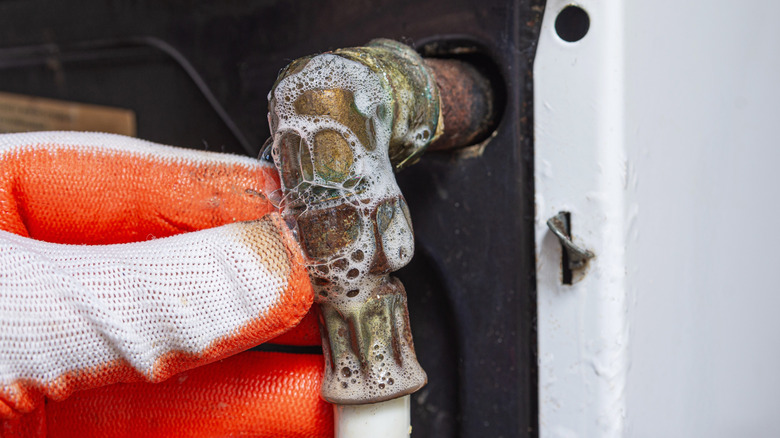
If at any point you hear a hissing or gas-leak sound, stop the work immediately. Open all windows to improve ventilation and leave. Don't try to fix it yourself. Just turn the gas off at the main valve, and rather than investigating the matter further yourself, call a professional. If, however, you manage to replace your gas stove smoothly, make sure to check connections for leaks. To do so, coat the connectors in a soapy water solution and watch for bubbles. Never even think of using a match or lighter to detect a leak, as this could easily lead to an explosion.
Lastly, once the new stove is in place, make sure to secure it mechanically to prevent it from tipping over. New gas stoves often ship with anti-tip brackets, which must be installed on the unit. Not installing these is one of those things in your kitchen that can drive home inspectors crazy.