

16 Decades-Old Household Staples That No One Uses Anymore
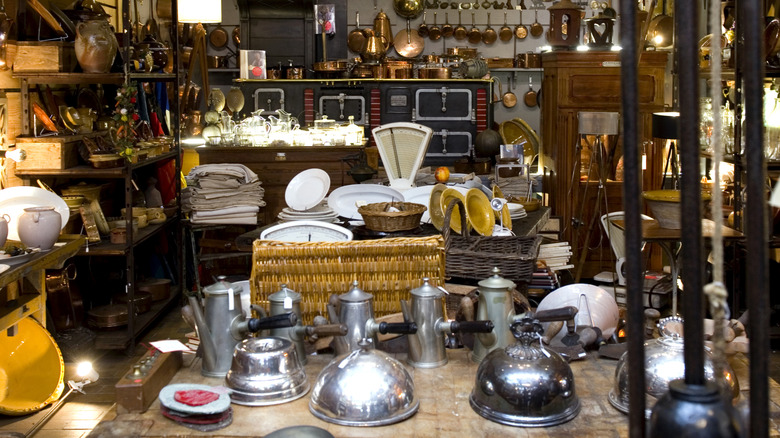
Walk into an older home or flip through vintage catalogs, and you'll spot household items that feel outdated or unrecognizable, but were once considered modern solutions and essential parts of everyday life. From practical tools and built-in fixtures to novelty gadgets designed to save time or add convenience, these staples reflected the technology, design tastes, and social norms of their era. They shaped how people cooked, entertained, cleaned, and stayed comfortable, becoming standard features in many homes.
But as the years passed, advances in technology, improved safety standards, and changing lifestyles gradually pushed many of these once-common items into obscurity. Some were replaced by sleeker, smarter alternatives, while others simply became unnecessary as habits and trends evolved. Though they've largely vanished from modern homes, these decades-old household staples still tell a story, offering a fascinating look at how much domestic life has changed.
China cabinets for formal dish sets
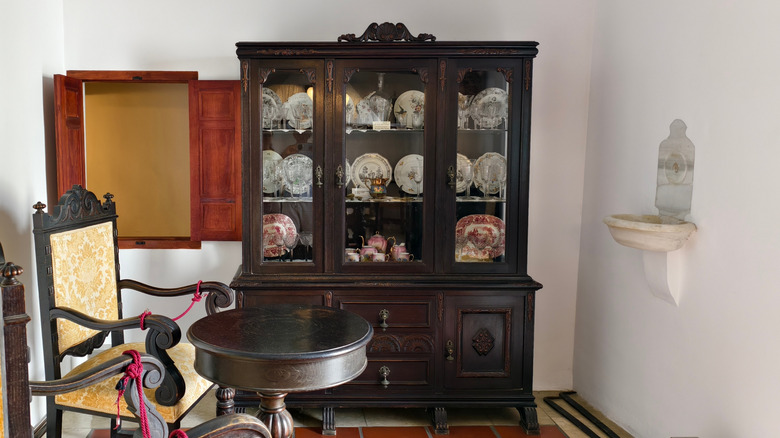
Originating in 17th-century Europe as a symbol of status, China cabinets were used to display fine porcelain imported from East Asia. As porcelain became more affordable, it found its way into middle-class homes, transforming the China cabinet into a household staple by the mid-19th century. Throughout the decades, these pieces showcased formal dishware, tea sets, and decorative items. Over time, they evolved stylistically, appearing in ornate Victorian styles before shifting into sleeker Art Deco and Mid-Century Modern forms.
Eventually, hosting and entertaining grew more relaxed, and formal dining fell out of fashion. Open shelving, minimalism, and streamlined storage replaced detailed, bulkier furniture. Still, China cabinets haven't vanished entirely, surviving as heirloom dish storage and spotted in antique shops. These days, vintage enthusiasts have found more modern uses for them, repurposing them into stylish home bars, bookcases, coffee stations, and storage. To keep a well-loved China cabinet from feeling outdated, you can spruce it up with a little cleaning, paint, and updated decor.
Hand-crank butter churns before store-bought butter
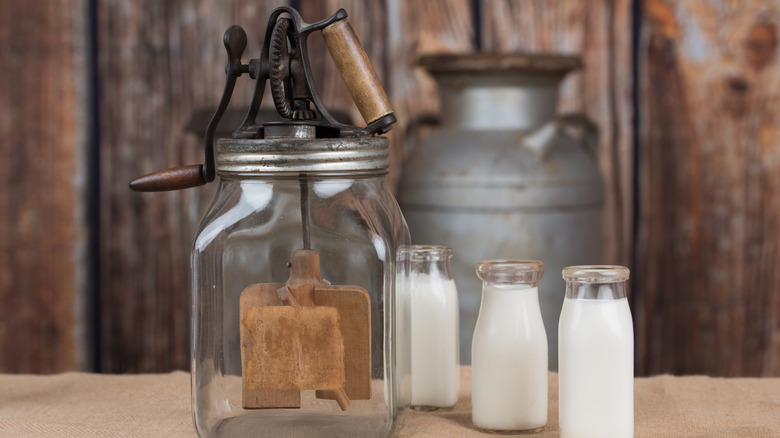
Before neatly packed wrapped sticks of butter were widely available in grocery stores, households relied on hand-crank butter churns. These devices were kitchen staples from the mid-1800s through the 1940s. As the crank was turned by hand, wooden paddles agitated cream inside the jar until the fat separated from the liquid buttermilk, slowly forming solid butter. The process was simple, but took arm strength and a little bit of patience, lasting anywhere from 10 to 45 minutes.
As commercial dairies expanded and home refrigerators became a staple, hand churning lost its appeal, and the convenience of store-bought butter became hard to beat. In time, hand-crank butter churns transitioned from functional tools to nostalgic objects. Although now an old-school kitchen item no one uses anymore, they're often used as farmhouse-style decor and collected by vintage lovers. While some people still enjoy churning butter as a hobby, most households are happy to leave this once-necessary task in the past.
Coal-fired kitchen stoves that heated entire homes
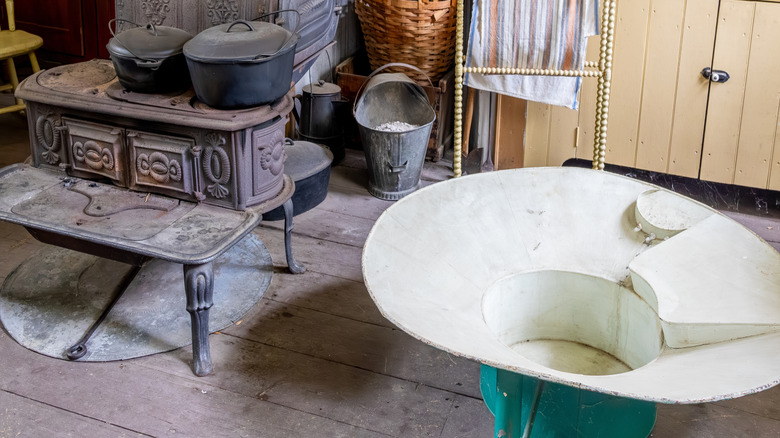
Coal-fired kitchen stoves became the center of household life in the years following the Civil War. Made of cast iron, they withstood higher temperatures and provided longer-lasting, more consistent heat than fireplaces and wood-fired stoves. Households relied on a single stove for cooking, heating water, and warming the entire home. While reliable, they demanded near-constant tending and attention. Maintaining heat and specific temperatures meant constantly adjusting coal levels and airflow. Daily ash removal involved shaking grates and sifting for unburned coal. Additionally, these stoves required frequent deep cleaning.
In the 1910s and 1920s, however, coal stoves began to be steadily phased out. Gas stoves, and later electric stoves, offered more precise temperature control without the soot, ash, and labor involved in coal. Meanwhile, central heating appliances, like furnaces and radiators, became more prevalent. Modern homes largely depend on HVAC systems for heating. In the kitchen, they rely on cleaner, more efficient ranges, with stoves typically designed in sleek, streamlined styles.
Wringer washing machines with exposed rollers
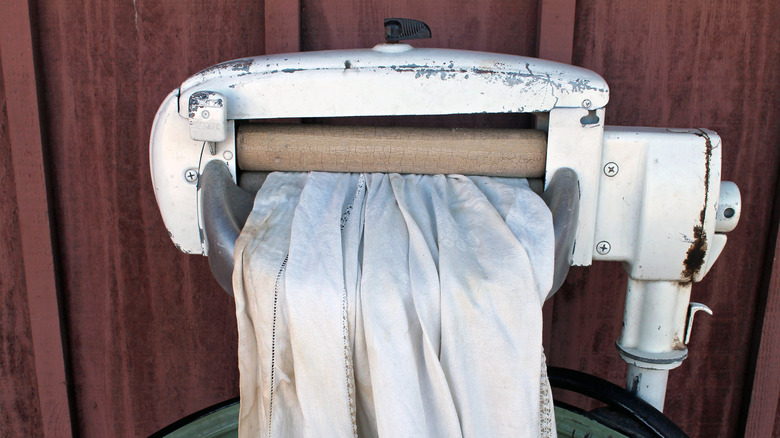
Invented around the 1840s, wringer washing machines usually worked by turning a hand crank to agitate garments in soapy water. Then, the wet items were fed through two exposed, rotating rollers (a built-in "wringer") to squeeze out excess water before line drying. Although it was still physically demanding, this system was a major upgrade from handwashing and manually wringing out clothes, reducing both time and labor. In 1911, Whirlpool, then called Upton Machine Company, was founded by introducing an electric motor-driven version, making laundry day a little less exhausting.
Despite their efficiency, wringer washers came with serious safety risks. Fingers, hands, clothes, and even hair could become trapped between the mechanical rollers, leading to injuries. Children were especially vulnerable to getting an arm caught in the wringer, leading to a rise in "wringer arm." In fact, the phrase "put through the wringer" comes directly from these machines. After the first automatic washer hit the market in 1937, they began to wane in popularity. Now, the once-common wringer washer lives on as an old-school artifact of laundry rooms past. Today's fully automated machines handle the entire laundry process — washing, rinsing, and spinning — and offer programmable cycles, load sensors, and safety locks.
Mercury fever thermometers in medicine cabinets
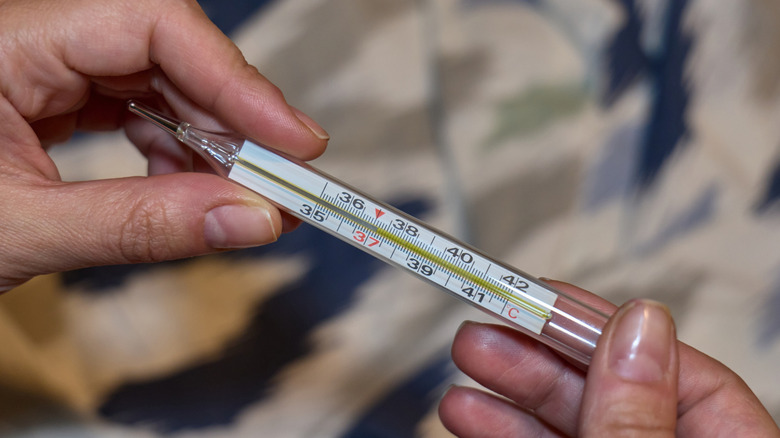
Mercury-in-glass thermometers remained the gold standard for measuring body temperature for centuries after their invention in the early 1700s. Known for their accuracy and simplicity, mercury fever thermometers were trusted fixtures in household medicine cabinets for generations. All it took to check for a fever was a quick shake, a few minutes, and a glance at the rising silver line.
Over time, mercury toxicity awareness led to their decline. If broken, these thermometers could pose serious health risks. Alcohol-based and digital thermometers emerged as safer, easier-to-read alternatives. Eventually, some states banned the manufacturing and sale of mercury thermometers altogether. And, as of 2011, the National Institute of Standards and Technology (NIST) stopped calibrating them in a joint, phase-out effort with the Environmental Protection Agency (EPA). If you ever stumble across one in an old drawer or attic, the right way to dispose of mercury thermometers is through hazardous waste programs.
Stovetop coffee percolators were once a morning staple
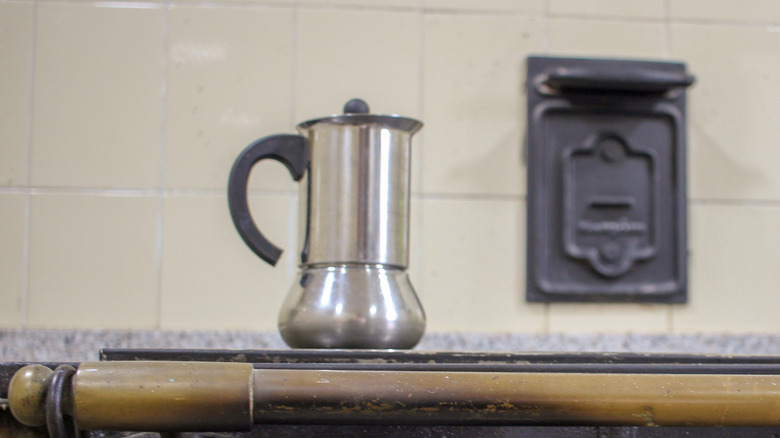
Patented in 1889 by a farmer from Illinois named Hanson Goodrich, the stovetop coffee percolator was once a cherished part of the morning routine. Early models were mostly found in wealthier households, but eventually, mass production made them affordable for the average family. By the 1940s and 1950s, they had become household staples, prized the ability to brew more robust, full-bodied coffee. And because they were typically made of stainless steel or aluminum, these cherished items were built to last.
However, bubbling percolators required careful timing and monitoring to avoid bitter results, and convenience eventually won out. In the 1970s, automatic drip coffee makers took over, offering consistent flavor with minimal effort. Today's coffee landscape is dominated by pod systems, espresso machines, and pour-over setups. While modern percolators still exist, and remain popular with campers and coffee traditionalists, the stovetop models that once defined mornings have largely faded from everyday use.
Backyard clotheslines once common in suburbia

Backyard clotheslines used to be a defining feature of American neighborhoods, stretching between trees or poles and fluttering with freshly washed laundry. Especially popular in the 1920s through the 1950s, rotating and folding metal clotheslines could be mounted in the ground and open and close like an umbrella to save space. Before electric dryers became standard, households relied on them to deliver fresh-smelling, sun-dried clothes. Often, hanging garments doubled as a social ritual, as neighbors chatted over fences while pinning up sheets and towels, turning an everyday chore into a shared experience.
By the 1950s, electric dryers grew increasingly popular as electricity became more accessible, offering speedier results without the unpredictability of the weather or any physical effort. Over time, clotheslines mostly faded from suburban yards. But they haven't disappeared entirely. Some people continue to line-dry for the fresh scent and environmental benefits, though others face restrictions from homeowners' associations. In response, "right-to-dry" laws have emerged in certain areas.
Fashionable and decorative cigarette dispensers
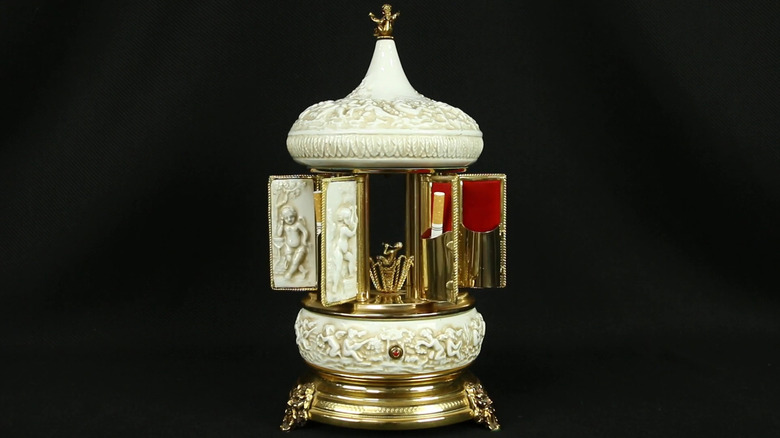
Tracing back to the late 19th century, cigarette dispensers were fashionable household accessories. Typically featuring whimsical or artistic designs, they were prominently displayed in parlors and living rooms throughout the mid-20th century, sitting front and center on coffee tables, sideboards, or built-in bars. Back then, smoking indoors was not only acceptable, it was expected when entertaining guests. Offering a cigarette was part of polite hosting, much like offering a drink, and the dispenser itself doubled as decor.
That cultural norm shifted dramatically after the 1964 Surgeon General's report linked smoking to serious health risks. As public attitudes changed and indoor smoking declined, cigarette dispensers lost their purpose. Today, they survive mainly as collectibles, appreciated for their craftsmanship and unique designs rather than their original function. Vintage connoisseurs can find striking pieces online and in antique shops, where they range from Art Deco styles and novelty shapes to musical dispensers.
Metal ice cube trays with pullout lever handles
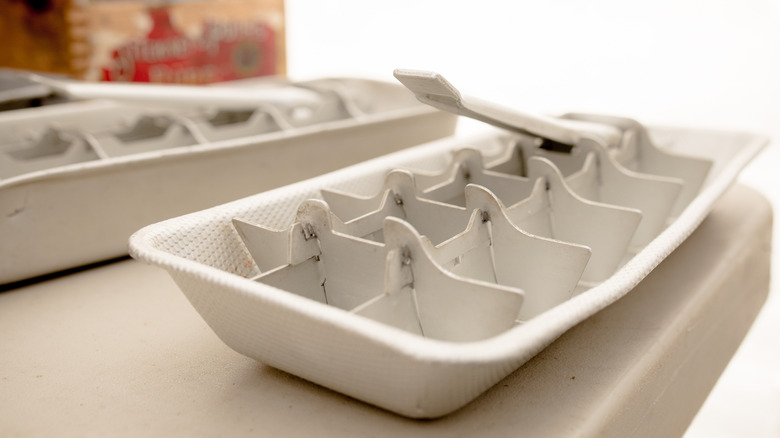
After they were patented by General Electric engineer Edward Roberts in 1949, metal ice cube trays with levers became staples in home freezers. A significant upgrade from earlier, non-levered trays, they used a mechanical lever handle to release frozen cubes at once from rigid metal molds. Despite their clever design, they came with common frustrations, such as jammed levers, stubborn ice, a tendency to pinch, and wet hands and fingers sticking to the metal. Still, these levered trays remained popular throughout the 1970s, offering a reliable way to make ice cubes at home.
As plastic ice trays emerged, followed later by flexible silicone molds and automatic ice makers, metal molds became outdated. Modern alternatives are easier to use, less prone to stubborn ice, and far more comfortable to handle. For most contemporary households, however, ice-making requires little more than pressing a button, as today's freezers integrate built-in ice makers that provide a continuous ice supply and dispense frozen cubes straight into your cup.
Foldaway built-in ironing board units
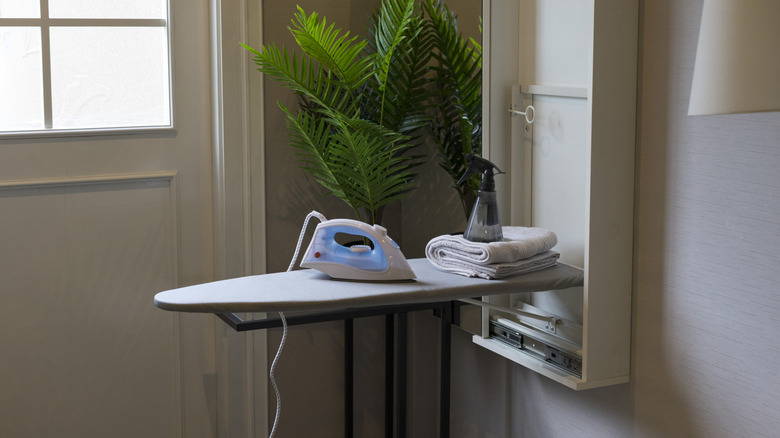
Foldaway ironing boards became a standard feature in many homes throughout the 1920s, '30s, '40s, and '50s. Designed to save space, they were installed directly into walls, where they would disappear neatly into their hidden compartments behind a plain panel or shaker-style door when not in use. At a time when crisp, pressed clothing was expected for daily wear, having an ironing board readily available made perfect sense.
Throughout the decades, lifestyles shifted, and so did wardrobes. Wrinkle-resistant fabrics and casual clothing trends reduced the need for daily ironing. With garment steamers in the modern mix, some have started to wonder if ironing is an outdated trend, while others have stopped ironing altogether. Those who do iron, do so less frequently, and rely on freestanding boards that offer more ease and flexibility.
Asbestos ironing board covers sold as heatproof
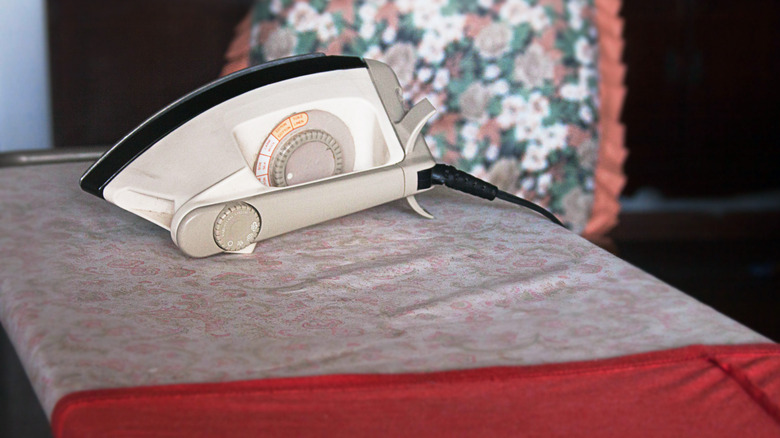
Because of its low cost and insulating properties, asbestos was widely used throughout the early decades of the 20th century in everything from machinery to construction and goods. One use of asbestos was for ironing board covers. Asbestos ironing board covers were marketed as a cutting-edge safety feature. Heat-resistant and fireproof, they protected against scorching fabric and household fires caused by hot irons. By the mid-20th century, evidence of asbestos-related health risks was known to scientific and industrial circles, but some manufacturers failed to disclose these dangers to workers and the public.
When the 1960s rolled around, research solidified its connection to lung cancer and mesothelioma, and public awareness grew. In the early 1970s, significant regulatory actions against asbestos began to take place. Over the years, asbestos products were phased out and replaced with safer materials. Today, asbestos items like these infamous ironing board covers sometimes turn up in older homes or storage areas. If discovered, they should be handled with extreme caution and professionally removed, as handling them can pose serious risks.
Telephone benches (also known as gossip seats)
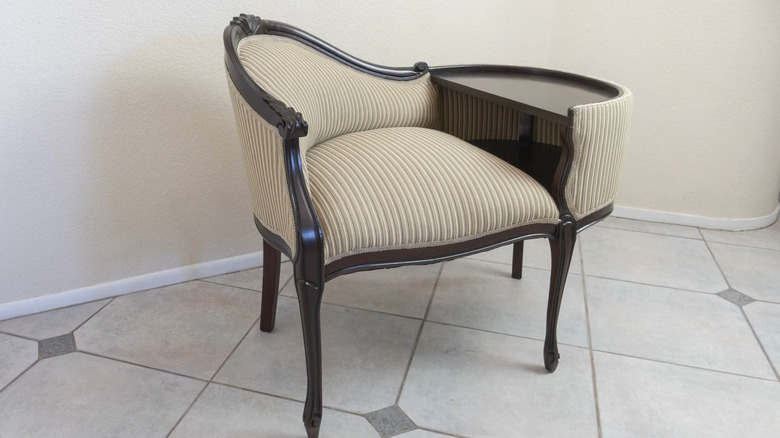
Telephone benches used to be a familiar sight in American homes. Popular from the 1920s through the 1950s, these multifunctional pieces combined a small seat with a surface for a landline telephone, and often included storage for phone books, notepads, or directories. Since early household phones were hardwired to a single location, the bench created a designated comfortable spot for long conversations, message-taking, and, of course, catching up on neighborhood gossip.
With time, the need for a gossip bench disappeared. Installing telephones in multiple rooms started becoming commonplace in households. Then, in the 1980s and 1990s, the cordless phone and mobile phone were introduced to the public, revolutionizing communication. In a world run by smartphones, these once-functional furnishings are nothing but charming relics. Sold in antique stores and online platforms like Etsy and eBay, they're typically sought after by collectors and decorators.
Fiesta dishware with radioactive color glaze
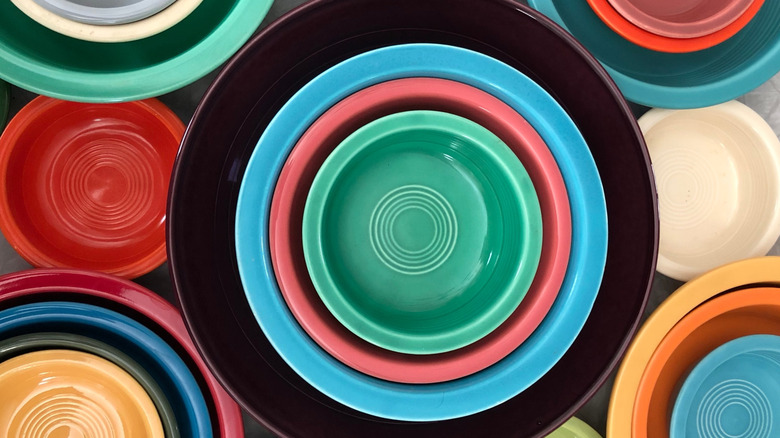
When Fiesta dinnerware debuted in 1936, it instantly stood out with its vibrant colors, concentric Art Deco styling, and mix-and-match approach. The line felt fresh and accessible at a time when many table settings were far more formal. Widely sold at a reasonable price point, Fiestaware appealed to everyday households, and its durability made it a practical choice. Even though it was mass-produced, many people loved that it had a handmade look, helping it become one of the most collected dishware brands of all time.
To achieve some of its signature colors, Fiesta used uranium in their glazes. Although its dangers had been documented, it wasn't until the US Public Health Service (USPHS) published a statistical link between uranium mining and lung cancer in 1962 that awareness grew. That same decade, shifting style trends led to a decline in demand and popularity for the Fiesta line. By 1972, it was retired, but a rise in its collectibility led to its revival in 1986 with reformulated, non-radioactive glazes. Today, vintage radioactive Fiesta pieces are admired as design icons and are highly sought-after collectibles. This decades-old dinnerware shouldn't be overlooked when thrifting or walking through estate sales. If you come across any, check for cracks or chips, which can increase the risk of radioactive exposure. And remember that although it's safe to display and occasionally handle, you should never use it to eat or serve.
Built-in, wired home intercom systems
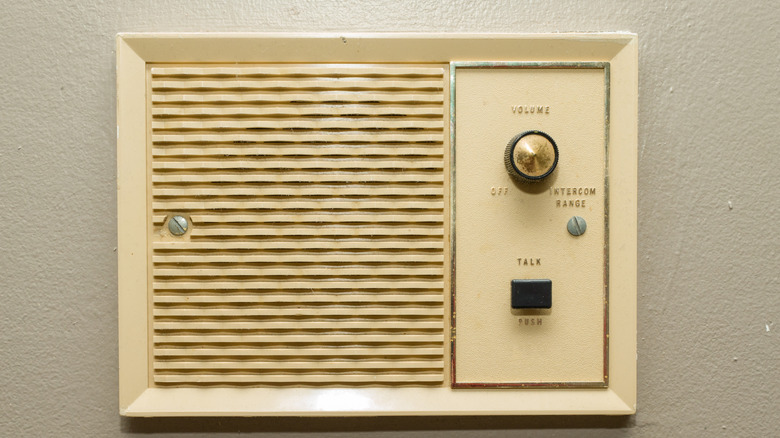
From the 1950s through the 1970s, and lingering into the early 2000s, these built-in, wired home intercoms allowed family members to communicate room to room. Especially popular in larger homes, they were used for everything from announcing dinner to screening visitors at the front door. Some setups also doubled as entertainment hubs, playing AM/FM radio throughout the house. Brands like NuTone became household names, and intercom panels were often installed during new construction as a selling point.
As technology evolved, wired intercoms struggled to keep up with rapidly changing innovation. Modern smartphones, doorbell cameras, smart speakers, and whole-home audio systems offer far more ease and flexibility than these decades-old permanent installations with extensive wiring. NuTone eventually stopped manufacturing home intercom systems in 2018, marking the end of an era. Now, these once-impressive panels mostly sit unused, often collecting dust.
Manual ice crushers for home bars and parties
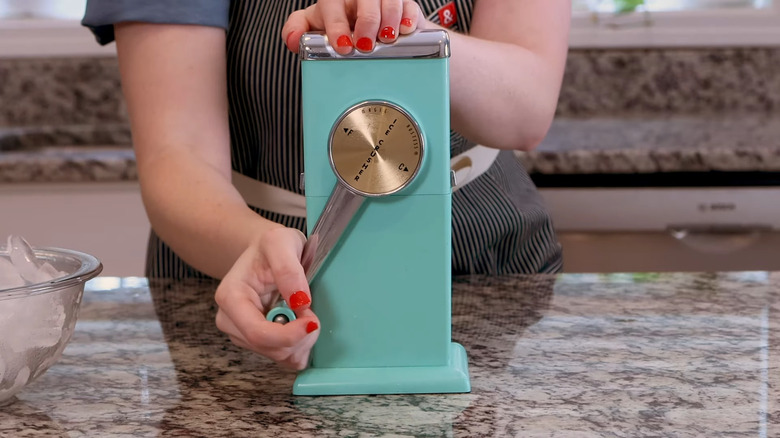
Believe it or not, manual ice crushers were once a must-have for hosting, especially in the mid-20th century, when cocktail culture thrived. These devices made it easy to prepare crushed ice for everything from frosty drinks to seafood platters and chilled desserts. Models featured a hand-crank design, with ice dropped into a top hopper and crushed by internal stainless steel blades. Some were designed for countertops, while others mounted to the wall, and many even allowed users to adjust between fine and coarse ice.
As convenient as they were, manual ice crushers eventually became unnecessary. Automatic refrigerator ice makers and electric countertop appliances offered faster, hands-free results, making the hand-crank versions feel dated. In this day and age, these once-common tools are mostly found only in vintage collections and used as retro-themed decor, serving as nostalgic reminders of a time when entertaining took a little more muscle.
Unvented gas heaters installed inside living spaces
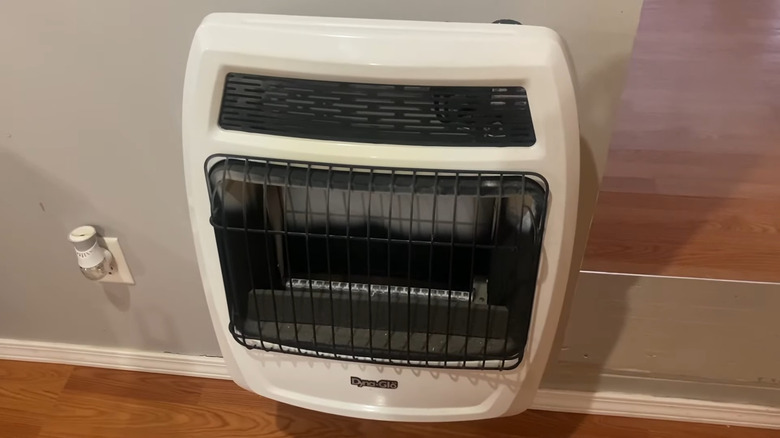
Widely marketed as a convenient and affordable heating solution, unvented gas heaters and ventless fireplaces became popular in the 1970s, particularly among homeowners seeking supplemental warmth during colder months. Because these units did not require a chimney, flue, or complex ventilation system, they could be installed directly inside living spaces without major renovations, and offered great flexibility in room layout and design. For many years, they were an efficient way to quickly heat specific areas of a home without relying on a central heating system.
In 1978, the US Consumer Product Safety Commission (CPSC) proposed a ban on these heaters due to carbon monoxide poisoning risks. As awareness of indoor air quality, they fell out of favor, becoming banned in certain states and municipalities. With improvements in modern HVAC systems, advancements in portable heaters, and stricter safety regulations, unvented gas heaters have become a decades-old household staple firmly left in the past.