

Prune These 11 Indoor Plants In January For A Fresh Start
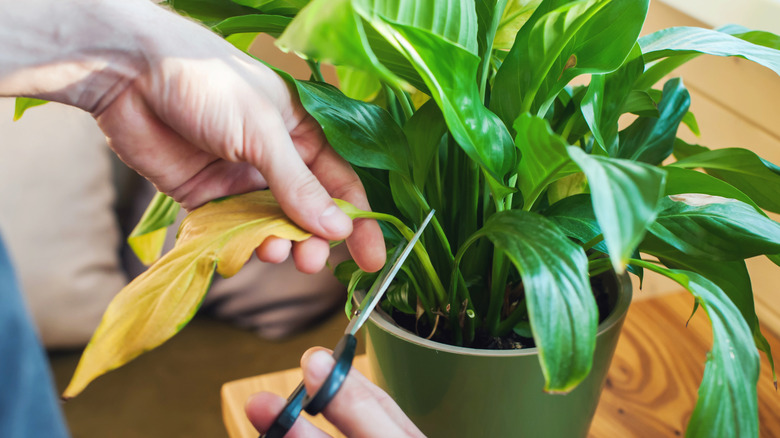
As you settle into the long, cold winter months and finish prepping your outdoor plants for the season, it's time to turn your attention indoors. Our indoor plants require care as well, even if they aren't directly exposed to the elements. January is an excellent time to prune, trim, and revive your various houseplants. When you turn your focus to these plants in the wintertime, you can encourage them to blossom more fully when spring comes around. Plus, with all of this extra inside time on your hands, you can have more dedicated moments to shape and train your favorite indoor plants for the aesthetic you love. There are a few specific houseplants that are ideal to prune during and around the month of January, including your beloved spider plants, rubber plants, peace lilies, and sage.
If you keep these plants inside all year long, it's important to keep up a regular winter care routine. Some houseplants, like succulents, will most likely not require any pruning. Vining plants like snake or rubber plants are a different story and will require some trimming during the wintertime. You will want to try to avoid over-pruning and stick to the rule of thumb of trimming no more than a third of the plant in one go. Note that while pruning is recommended, it is advised to avoid repotting, as this could instigate growth, which you won't want during this dormant period. Repotting is best taken care of in late winter or springtime. As you choose the best pruning tools to manage your indoor plants, make sure to avoid rusty shears and select tools that fit your hand size.
Miniature roses

While roses are most popularly grown outside in the ground, these stunning and classic flowers can also be grown potted indoors. The most common type of rose grown as a houseplant is the miniature rose. Over late winter and early spring, gentle pruning is recommended to remove dead or damaged leaves. Make your pruning snips as soon as leaves start to fade, and avoid the popular practice of using a pair of kitchen scissors; use proper pruning shears instead.
Sage
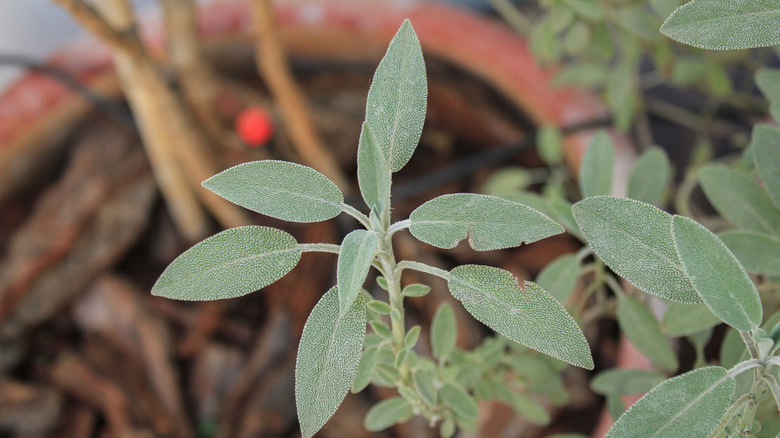
If you have been growing your herbs indoors all year long, you can continue to prune your sage (Salvia officinalis) plants lightly even over the winter, as they constantly require pruning. Using a small pair of gardening shears or scissors, you can start trimming your sage to avoid having a "leggy" plant, which is when a plant grows long and weak stems with little to no foliage. Note that you want to avoid overpruning them, as it may do the plant more harm than good, exposing it to diseases like gray mold.
Succulents
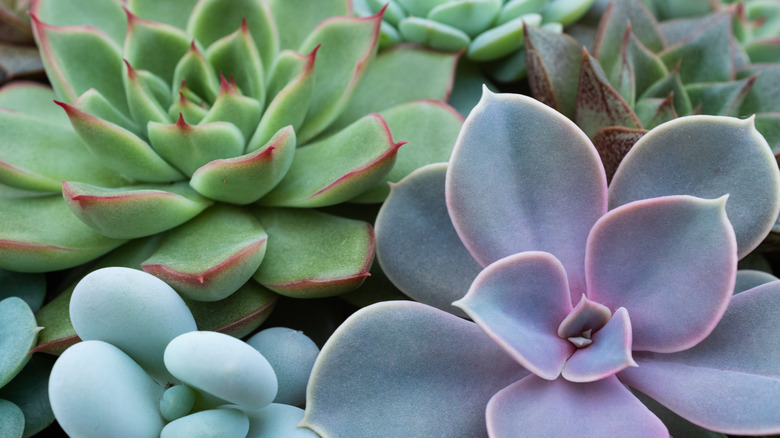
While some succulents don't require heavy pruning in the winter (if they need any at all), it may be necessary to trim up a few of these houseplants throughout the cold season. Flowering succulents in particular may require winter pruning while they are dormant. If your succulents have started to overgrow, become leggy, or have broken or dead leaves and stems, you can prune back these unwanted sections. To do so, use a small tool like scissors, pruning shears, or even a knife. Make sure your cuts are clean, as jagged cuts can increase the risk of infection.
Fiddle leaf fig
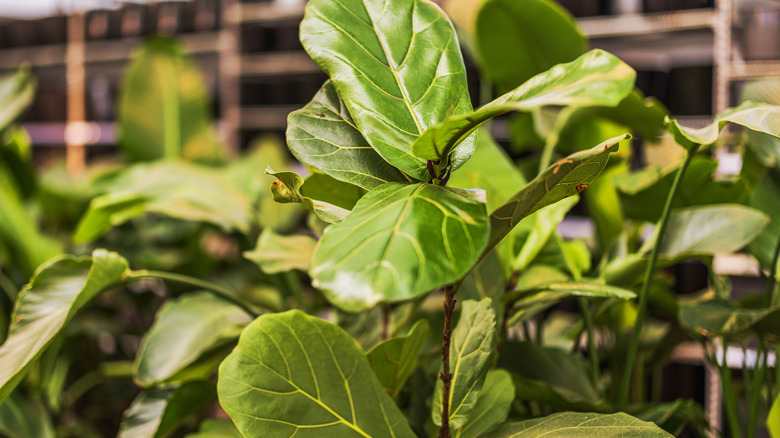
Fiddle leaf figs (Ficus lyrata) are a popular choice for an indoor houseplant, thanks to their large leaves and unique shape. These plants, which can grow up to 6 feet or more if cared for properly, are best pruned in the late winter months, around January and early February. Don't prune too early, or you may rob your plant of its growing period. In order for your fiddle leaf fig to continue growing and producing full leaves, prune any sick or dead leaves. To give the houseplant its iconic shape, you can also trim the bottom leaves.
Pothos
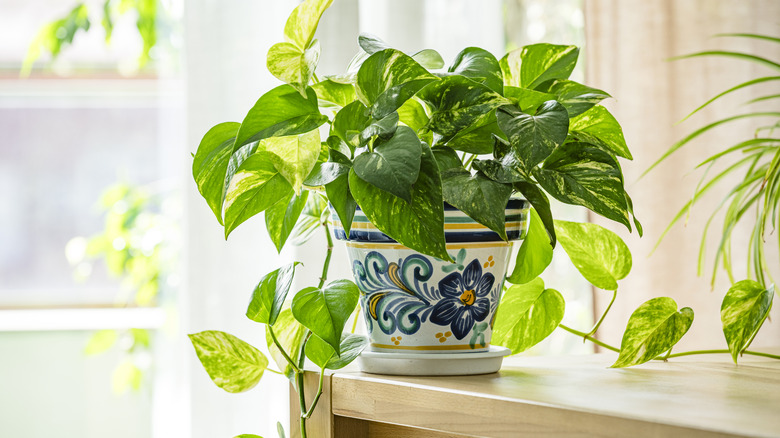
To keep your pothos (Epipremnum aureum) plant from looking shabby, you can give it a light trim in January to remove any dead or damaged leaves that appear over the wintertime. Note that these plants typically don't require heavy pruning and you'll want to avoid over-trimming them, especially during the winter. You can, however, trim off yellowing or fading leaves. If you're dealing with discolored leaves just on the very ends of your stems, remove just those sections with your shears. Specifically, you can cut the leaves where the petiole, or leafstalk, connects with the plant stem.
Rubber plant
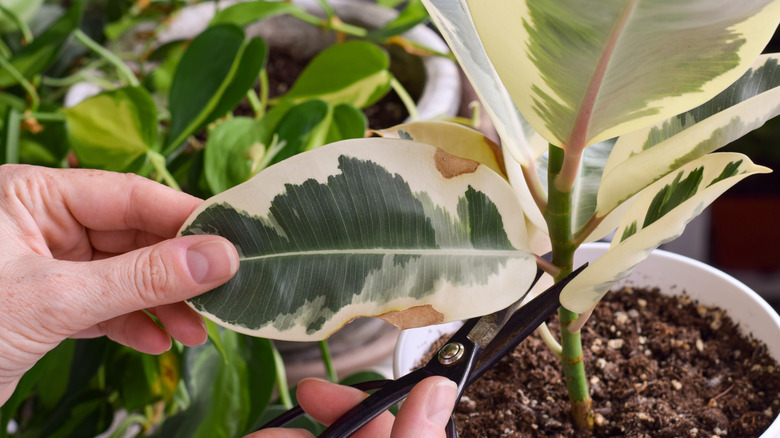
While you can technically prune a rubber plant (Ficus elastica) any time of year, the winter season is the best time, as the plant's sap content is the lowest. This cold-season pruning will ensure it doesn't get too overgrown or leggy. Using a sharp knife or shears, cut your rubber plant's leaves directly above the nodes. You can also take this time to redirect the plant and initiate growth where you desire, depending on which nodes you cut under. If in doubt, simply focus your pruning on removing any damaged, diseased, or dead leaves.
Peace lilies
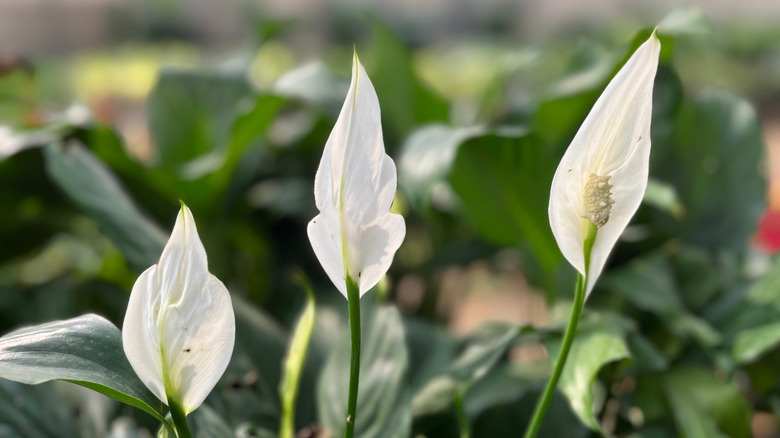
To keep your peace lilies (Spathiphyllum) in good shape, it's recommended to give them a light pruning in winter. Like most flowers, a peace lily won't react well to heavy pruning in which you remove over a third of the leaves. Instead, use sharp garden shears or scissors to only get rid of yellowing or diseased leaves. Those deteriorating leaves use up energy that could be used to grow new blossoms. If you're looking for signs to trim, keep an eye out for crowded or dried leaves, an excessively tall plant that won't stay upright, or super slow growth.
Fuchsias
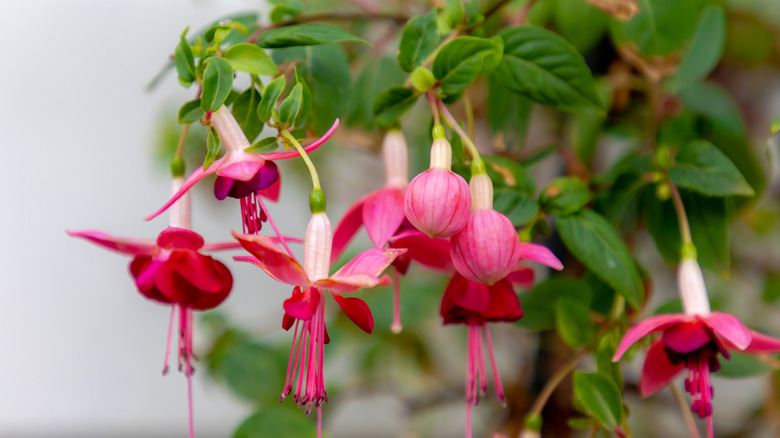
While typically grown as an outside plant, fuchsias (Fuchsia coccinea) can also be grown indoors as a stunning option for a houseplant. While you don't need to heavily prune these plants over the cold season, you can still keep them trimmed. If you live in a warmer climate like California, January is the ideal month to take care of cleanup. Make sure to remove any damaged branches and cut diseased stems down to the branch. Lightly pruning your fuchsia plant in mid-winter will help keep the plant aerated. During this time, you can also trim it to your desired shape.
Spider plants
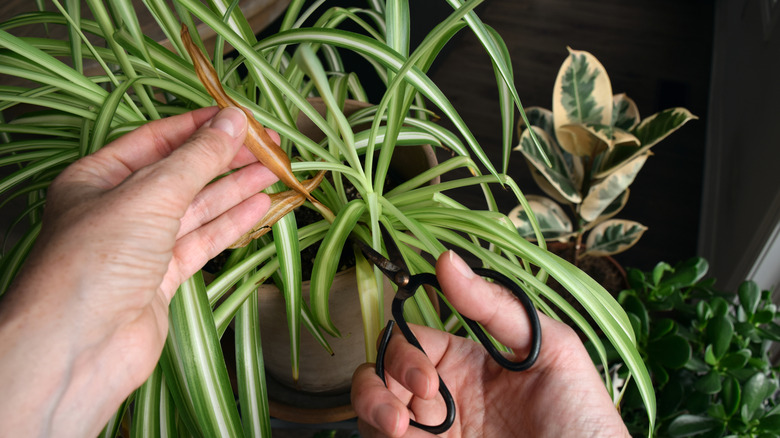
You can keep your spider plant (Chlorophytum comosum) healthy, trimmed, and in check over the winter by giving it a quick prune in January. While you want to avoid heavily pruning this houseplant during this season, as it may cause the spider plant stress, you can still remove any dead, diseased, or yellow leaves, cutting from the base. If your plant is looking a little too crowded, thin it out by removing a handful of older leaves. When trimming your spider plant, make sure to use sharp tools, as dull edges can harm the stems.