

The Essential DIY Project That Can Drastically Improve Your Home's Heat In Winter
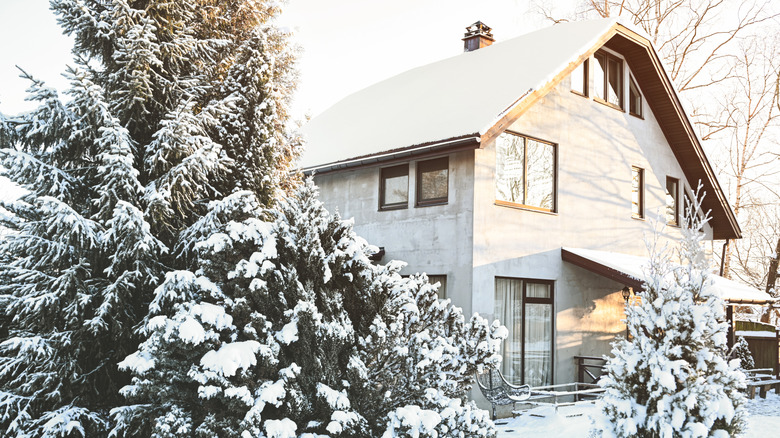
While a house isn't alive in a literal sense, it still responds to its environment. As temperature and moisture changes occur from inside and out, building materials expand and contract. A house functions as a system, much like the human body does, and when one part isn't working properly, the rest can suffer. Your home's ventilation system is an integral part of this balance and is often described as how your home breathes when air moves through walls and vents. As building science advances and homes become more adaptive to environments, homeowners are recognizing the importance of attic ventilation. If your home lacks adequate ventilation, this essential DIY project could significantly improve how well it holds heat during the winter.
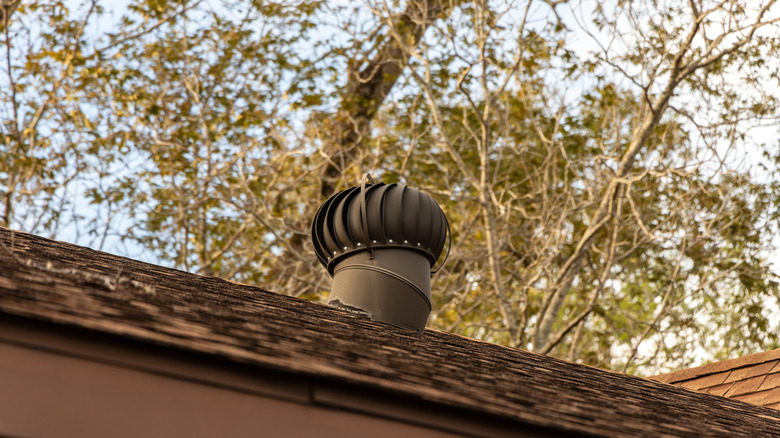
The impact of attic ventilation systems has often been underestimated in the past. Until recently, many buildings "breathed" naturally because they weren't built airtight, but modern construction has increased the need for intentional attic ventilation. When Redditor u/ibcurious asked others for their best home upgrades, attic ventilation was one of the most common responses. Fortunately, many issues lurking in your attic aren't difficult or expensive for skilled DIYers to address. As another commenter noted, clearing out the soffit vents and adding a whirlybird only took a few hours and cost about $200. The result was fewer ice dams and noticeably more comfortable indoor temperatures throughout the year.
How to tell if your home has proper attic ventilation
If all this talk about attic ventilation has you wondering about your own home, start by inspecting the attic and soffit vents. Of course, your home's ventilation system requirements will depend on the type of roof you have, but any DIY upgrade should begin with an inspection. Problematic signs include excessive heat and moisture buildup in the attic. During winter, cold air should flow in through the soffits and exit through the roof vents. Otherwise, warm air from your attic will melt the snow on your roof, causing ice dams. This can also create moisture problems in the attic, increasing the risk of mold or mildew.
Check your current ventilation by identifying all your vents. Soffit vents under the eaves, gable vents at the ends of the attic, and roof or ridge vents all help maintain balanced airflow. Check for obstructions, like too much insulation, that restrict airflow. For most homes, building code requires a 1/300 ventilation ratio, meaning one square foot of ventilation for every 300 square feet of roof area. This should be split evenly between the top and bottom, meaning for every 1,000 square feet of roof area, you need 240 square inches of roof ventilation and 120 square inches of soffit ventilation from each side of the house.
DIY ways to improve your home's attic ventilation
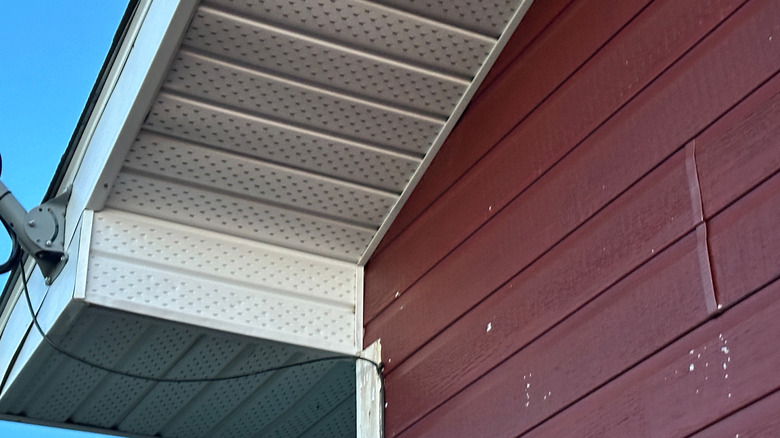
A well-ventilated attic can make a home easier to heat, reduce the risk of mold and mildew, and extend the life of materials from the roof to the insulation. DIY upgrades to your attic ventilation can be a small investment with a big impact. If you don't have enough air flowing through the soffits, you may need to clear insulation or dust away from the vents, especially in older homes. You may also want to install rafter vents to ensure air flows between the roof deck and the insulation to prevent the moisture buildup that leads to mold and mildew. You can also add soffit vents if you have done the calculations and found that you don't have enough.
Whirlybirds are a common type of vent to use on the roof. Other options include installing a solar attic fan, which can help keep energy costs low, or using box vents, which allow warm air to escape when placed near the peak of the roof. If your home already has a ridge vent, adding a whirlybird can short-circuit airflow and reduce the effectiveness of the soffit vents. While these upgrades can be quick and easy ways to improve your home's heating, if you're not sure about what you're doing, you may need to consult the experts by reaching out to a roofing company.