

Prune This Flowering Tree In Winter For A Stunning Display Of Blooms & Berries
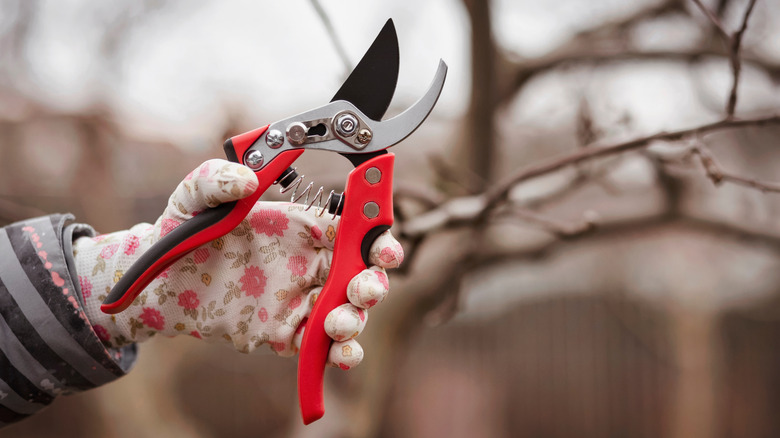
If you need motivation to go out in the January cold to do some garden work, picture a tree covered in showy white flowers in spring and orange-red fruit in fall. Better yet, picture yourself next January enjoying the jellies you could make from that fruit. That's the pleasure that a Rowan tree (Sorbus americana) can give you. Also known as the American mountain ash, it's native to North America, which means it's an excellent host for butterflies, and its fruits are an excellent source of food for native birds and mammals, especially moose and white tailed deer. It's a small understory tree, so pruning is not difficult, nor does the tree need heavy pruning. It's also a show stopper in the summer, so keeping it healthy and productive by pruning it is well worth the effort.
The Rowan tree is among the many plants to prune in January for a healthier, more vibrant garden. This deciduous tree drops its leaves in the fall, making it easier to assess the shape of the tree in January. It also goes dormant in the winter, so pruning is best done in winter months, before the sap starts running in the spring. Rowan tree face a number of pest problems, from bacteria and fungi to aphids and scale, but winter is a time when many pests and diseases are also dormant, so waiting to prune until early spring just invites pests and diseases.
How to prune an Rowan tree
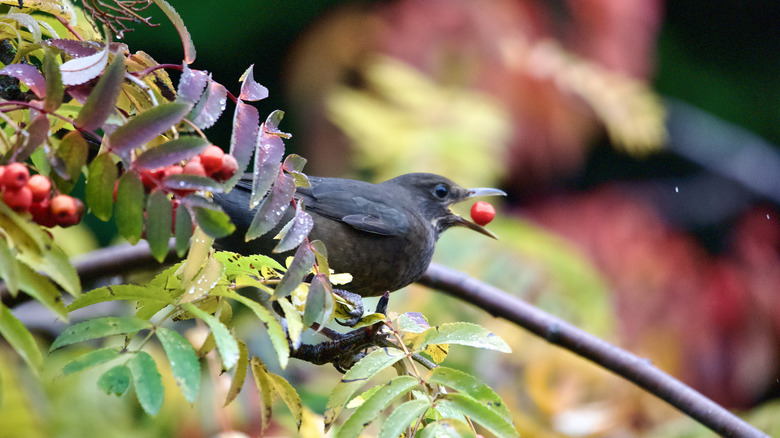
Rowan tree are cold-tolerant in USDA hardiness zones 2 through 6, meaning they don't tolerate the hot, humid climates of the American South. To prune the Rowan tree, start by removing any dead or damaged branches, then remove any that show signs of diseases such as cankers, rust, galls, or powdery mildew. To reduce the risk of spreading diseases, be sure to disinfect your pruning tools with a bleach solution before using them, as well as after you've removed any diseased branches. Cut several inches below the area of any diseased branch to make sure you've removed all infection. Remove any trimmed branches from the area and dispose of them. Do not compost them.
Once you've handled dead and diseased branches, you can remove any crossing or overcrowded branches, thinning the tree to let more sunshine and air circulate throughout the tree, reducing the risk of future fungal diseases. Finally, trim back branches to maintain its aesthetically pleasing shape, just limit your pruning to no more than 20% of the tree so that you don't stress it. And since the Rowan tree produces flowers on the previous year's growth, be sure to remove as few flower buds as possible so that you don't deprive the tree of a full spring bloom. Regular winter pruning helps the tree focus its energy on new growth, so put pruning this tree on your January calendar every year.