

The Bathroom Improvement That Can Help Prevent Toilet Stains
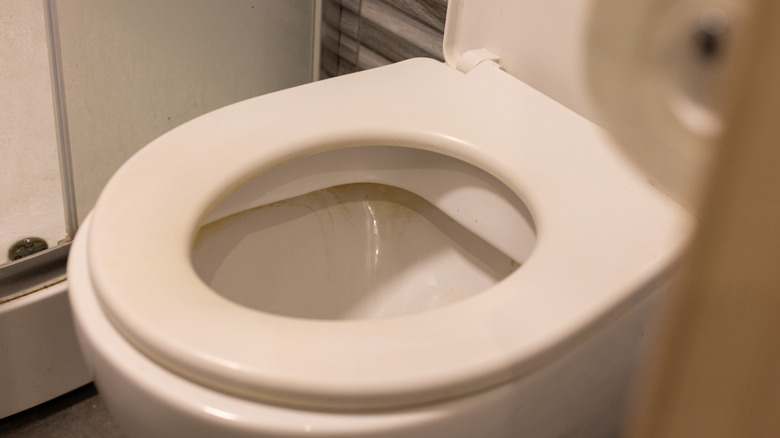
If you decide to work on a bathroom improvement project, it doesn't always have to be about the beauty of your home. Sometimes the goal is to have a better-functioning space, or even to meet building code requirements in your area. A good example is installing proper ventilation. With this one upgrade to your bathroom, you can easily prevent toilet stains and even boost hygiene standards. And just so we're on the same page, the toilet stains we're referring to are those caused by mold and mildew in the bathroom – usually the black, greenish, or brown ring in the toilet bowl, the stubborn dark grime under the rim of the bowl, or inside the toilet tank. Since both mold and mildew thrive in moist environments, proper ventilation is necessary to prevent their development.
The bathroom is already a pretty humid place thanks to the daily activities of showering, bathing, and using hot water from the taps. And that's where proper ventilation comes in. Whether you install an exhaust fan, open the window (if you have one in your bathroom), or do both, getting rid of that moist air becomes a breeze. With that, you're able to destroy the fungi's breeding ground, and therefore prevent those ugly marks from forming in your toilet. Of course, other measures like regularly cleaning toilet bowl stains and flushing the toilet are also necessary, so don't neglect those either.
Ensure optimum bathroom ventilation to keep mold stains away
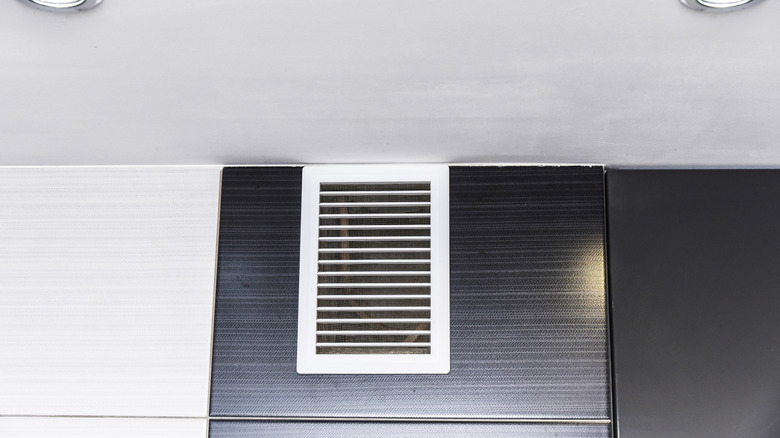
So, how do you ensure your ventilation is sufficient to keep moisture levels down and mold stains out of your bathroom? The best way is to follow the bathroom fan venting codes. In some places, the code requires every bathroom to have an exhaust fan, while in others, you can have the option of either a fan or an open window.
If you're using exhaust fans, one of the key requirements is to direct the exhaust air to the outside of the house. If this moisture-laden air is released into an indoor space, such as an attic or crawlspace, it can easily cause other serious problems in those areas, including mold, rot, or decay. Also, consider the fan's sizing. This is usually measured in cubic feet per minute (CFM), which basically means the volume of air a fan can move in one minute. For optimum ventilation, calculate the CFM according to the size of your bathroom space; therefore, the larger your bathroom, the bigger the fan required. And once installed, remember that the time your bathroom fan should stay on is at least 15 to 20 minutes during and after a shower.
For the window option, size is also important. The ideal window size for ventilating your bathroom should be at least 3 square feet in area, and you should be able to open at least half of that. And the way this works to prevent gross mold stains is ensuring your window remains open after every shower to bring in fresh air and release the humidity.