

The Pollinator-Friendly Plant You Can Start Growing In January
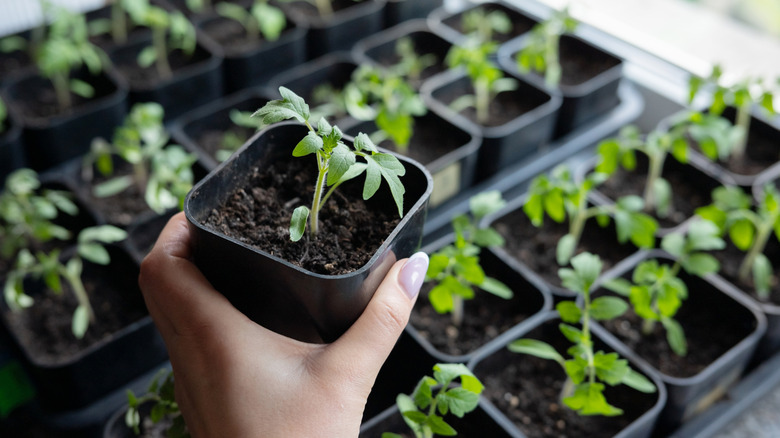
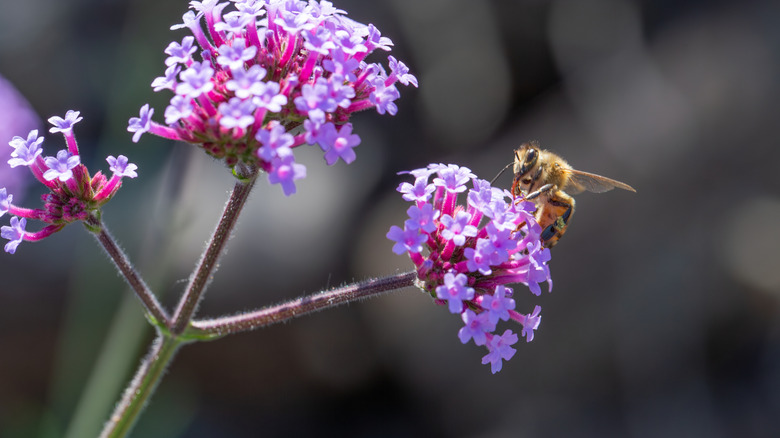
Some plants do best when started directly in the soil, while others need a bit of assistance to really thrive. Those that require a bit of a boost can usually be successfully sown indoors. One such plant is a species of verbena that is a bit of a struggle to get started, but rewards you with new flowers every year and stunning colors to attract pollinators. Purpletop or tall vervain(Verbena bonariensis) is a beautiful plant with vibrant flowers that will keep your garden buzzing with bees and butterflies. This plant will bloom until the first frost. In USDA hardiness zones 7 through 11, it can be considered a perennial, but in most others, it doesn't do well when the cold hits. However, it is also a self-seeding flower that will effortlessly cover your backyard, so once you get those first plants going, you'll see new flowers popping up year after year.
Overall, Verbena bonariensis is a drought-tolerant and low-maintenance perennial, but it does need some care and guidance to get started, which is why sowing the seeds indoors in January can be beneficial. The germination process is considered slow and irregular, and they are a little finicky. But, once you have this plant growing in your garden and you leave the flowers to develop seedheads in late summer, you'll probably find that new plants will pop up with such vigor that you'll end up having to thin them out.
Starting your Verbena bonariensis plant indoors in January
To get started, you want to sow the seeds roughly 12 to 14 weeks before you're thinking of transplanting them outside. They don't handle the cold well, so wait to transplant them in the garden until all threat of frost has passed. Make sure that you cover the seeds with a layer of seeding mix or vermiculite, as they do best when it's dark for the germinating process. Once they sprout, which can take up to four weeks, you can put them in more light. You also want to make sure they are kept warm. They need soil temperatures around 65 to 75 degrees Fahrenheit to give them the best chance to sprout. If you can drop the temperature a little at night and raise it during the day, that can help to break the seed's dormancy.
Unfortunately, if you live in the Southeastern United States or in California, Verbena bonariensis is considered an invasive species because of how fast it spreads and the speed at which it reproduces. So it may be best to avoid it if you live in this region of the US. If you like the idea of verbena, but don't want to risk a plant growing out of control, there are other species in the genus that are much less problematic. It's a good idea to make sure you do your research and learn everything you need to know about verbena and all its species before jumping into planting any in your garden.