

Plant This Fiery Flower In Winter For Beautiful August Blooms
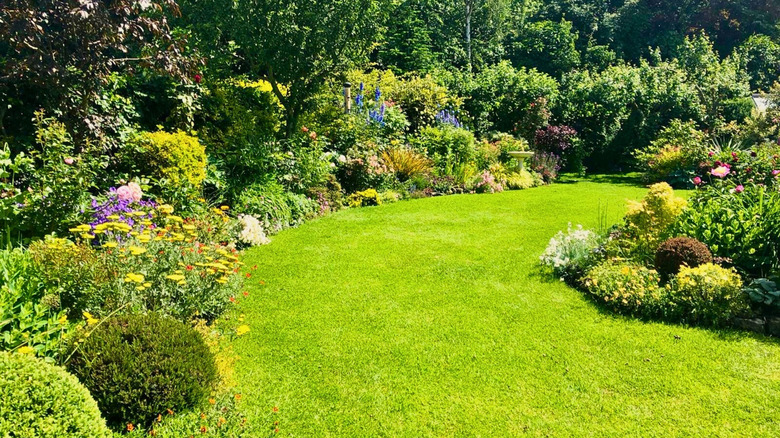
If you want a garden with lots of color during the peak of summer, consider a clump-forming herbaceous plant that grows pincushion-like flowers resembling exploding stars or bright-burning campfires. While gardeners typically buy this plant as bare-root perennial in May, it's better to put it in the ground while it's still cold. Planting in January lets it get established well before the heat of summer arrives. The bundle of roots might look lifeless when it arrives, but dormancy is a big advantage for better spring growth. The plant in question? Astrantia (Astrantia major), also known as masterwort.
These pretty plants grow best in USDA Hardiness Zones 4 to 7, and they provide a unique texture in the garden that few other flowers can match. By planning ahead and embracing planting astrantia in winter, you can make sure your outdoor space is filled with fiery reds, soft pinks, and crisp whites right when other plants are starting to fade. This beautiful late summer flower will draw pollinators to your garden into the fall. Astrantia spread via stolons, or soil surface-level runners, to form decorative clumps that grow two to three feet tall. They're unique in that they have parchment paper-like bracts — the leaves that surround the flowers — that some people use in dried flower arrangements.
How to plant dormant bare root astrantia in January
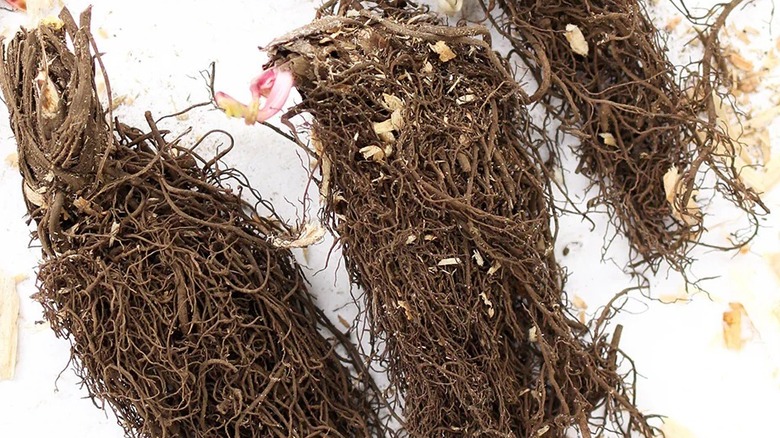
Working with bare roots, sometimes called root divisions, is quite different from buying a pre-potted plant from your local big box retailer. Because nurseries ship perennials when they are dormant, the best time to order bare roots for your garden is winter. After you order your bare root astrantia, it will arrive at your door looking like a tangled clump or nest of organic fibers rather than a living plant. Soak the root division in a bucket of water for three to six hours to make sure it's fully hydrated, then it's time to get it into the ground. Choose a spot where you can dig a hole deep enough for the roots to fan out. You don't want to force them into a tight space. Make sure the crown sits just beneath the top of the soil. That way, it stays protected from the elements without being buried too deeply to sprout.
Wintertime planting is ideal for bare root astrantia because the plant can focus on its underground growth. It doesn't have to use its limited cold season energy reserves to grow leaves and flowers. What's more, because the perennial plant is, in essence, resting, it should be able to handle the transition from nursery to your garden beds with far less stress than a plant in full leaf would. As the ground begins to thaw and warm up with the arrival of spring, the well-established roots will send up an abundance of growth. The reemergence of root divisions typically surpasses that of astrantia planted later in the year. Seeing those first green shoots grow is a sign that your August garden is already on its way.
Tips to keep astrantia healthy for better summer flowering
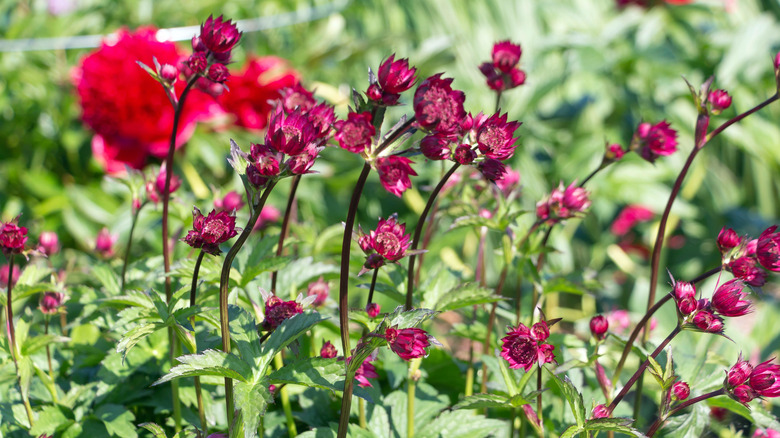
Once winter-planted astrantia are established in your garden, they need very little intervention to stay healthy. These fire-flowered perennials prefer a spot with dappled sunlight or partial shade; they sometimes suffer in intense summer heat, particularly in areas with harsh afternoon sun. Water is very important to astrantia. The plant loves soil that's rich in organic matter and stays consistently damp. If your region experiences dry spells in summer, provide extra water to stop the leaves from turning brown at the edges.
This is a perennial you should deadhead for blooms that keep coming in August and beyond. By removing the spent flower heads, you're telling the plant to grow more blooms instead of spending its energy on seed production. While astrantia is resistant to most common garden pests, you may see slugs if you experience wet springs. Aphids can be a problem at times, though gardener intervention is rarely needed. Adding a layer of mulch around the base of the plant can help retain soil moisture and keep roots cool during heatwaves. With some extra attention paid to watering and not much else, astrantia will be a highlight in your late-summer garden.