

7 Grout Types You Might Have In Your Kitchen Or Bathroom (& How To Best Clean Them)
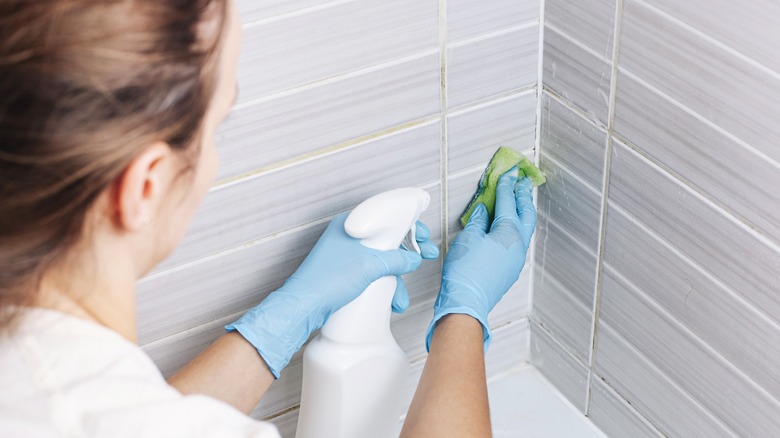
One of the easiest ways to instantly improve the look of your bathroom or kitchen tile is to clean the grout between the tiles. Grout, especially white grout, can get easily stained and turn an unpleasant off-white or yellowish color. However, to clean your grout, you need to know what it is and what kind you're working with. Most commonly used as the adhesive to install tile, grout is a paste usually made from a combination of materials like sand, water, cement, aggregate, and more. Grout is inserted between tiles to secure them in place and strengthen the structures. While you may be aware that you have grout in your home, you may not know what kind you have or the best way to clean it. There are multiple types of grout, including sanded, unsanded, epoxy, and cement. To know how and how often to clean your grout, you need to understand what kind you have in your home.
Some grout types, like epoxy, are best for wall tiles and areas with moisture, like the shower, while others, like cement, can be used in a wider variety of environments, including outdoors. There are a few ways to identify the type of grout you're working with, including the width of the gaps between tiles, the location of the tiles, and whether the sand particles are visible. Once you've identified the specific type of grout, you will know best how to clean it, so you can give your bathroom or kitchen that sparkling appearance it once had. You may be surprised at the range of products you can use to clean grout, from Epsom salt to the acidic pantry item, cream of tartar.
High-performance cement
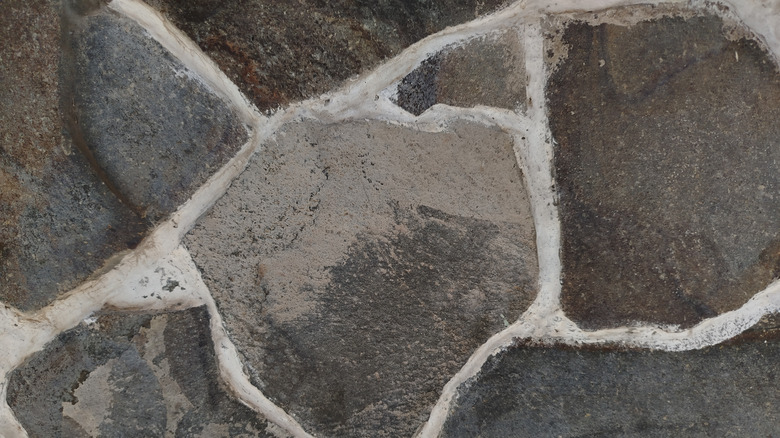
Most types of grout are divided into two categories: epoxy or cement grout. The latter includes types like sanded, unsanded, polymer-modified, and high-performance. High-performance cement grout is usually a customized material and is primarily used for high-traffic or wet areas that require flexibility and waterproofing. This means it is typically used in areas like outdoor patios, showers, and even some kitchens. It's often recommended to clean these types of high-performance materials with a scrubbing pad and warm water. You can also use dish soap, baking soda, or vinegar, then let these products sit on the affected area for a few minutes before scrubbing and rinsing off.
Sanded
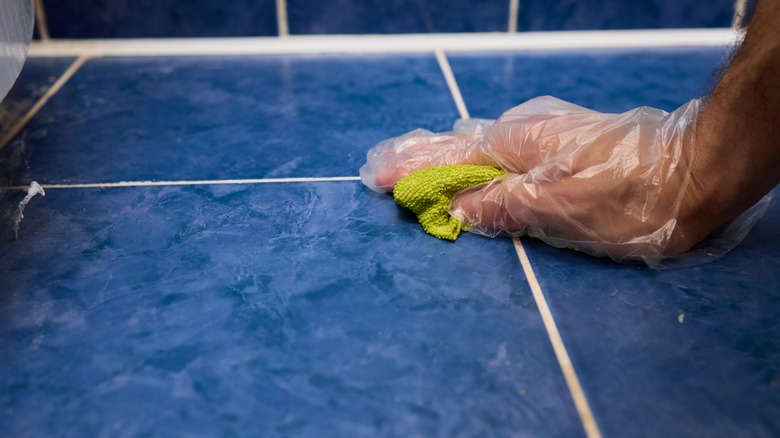
One of the more standard options for grout, sanded grout is cement-based and typically thicker and more durable than the unsanded version. It's simply regular grout with aggregate sand mixed in, which helps prevent shrinkage after it dries, something that can happen with unsanded grout. This version is also less likely to crack. To clean sanded grout, which can get stained and dirty over time, you'll need water, a pH-neutral cleaner, and a scrub brush. Mix the liquids and, using a spray bottle, apply the solution to the grout before scrubbing off the dirt and stains. Always rinse with water and dry afterwards.
Unsanded

While unsanded grout may not be as durable as its sanded relative, it is still an incredibly popular choice, thanks to its stickiness and ability to minimize scratches. Unlike sanded grout, unsanded grout does not include sand, but instead is comprised of water, cement, and non-sand materials. It's typically used in areas with low traffic, like shower walls or tile work. To clean unsanded grout, you can use a simple pH-neutral cleaner and water, and make sure to use a soft-bristled brush. To keep away stains and debris, it's recommended to seal your unsanded grout, especially in a moist environment like a bathroom.
Polymer-modified cement
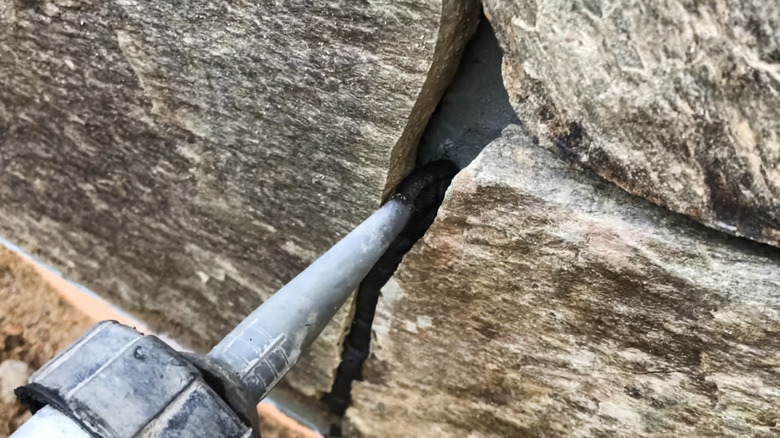
Another popular grout option for both residential and commercial properties, polymer-modified cement grout is a combination of cement mixed with polymer. This type of product is more fluid, flexible, waterproof, and corrosion-resistant than its simple cement counterparts. It is ideal for areas in your home, such as heated floors or exterior walls. To clean this type of grout, you can use a damp cloth with water, or you can apply a baking soda and water paste to the grout lines. Allow the mixture to sit for about 20 minutes before wiping off. You'll also want to avoid using acid-based cleaners.
Epoxy
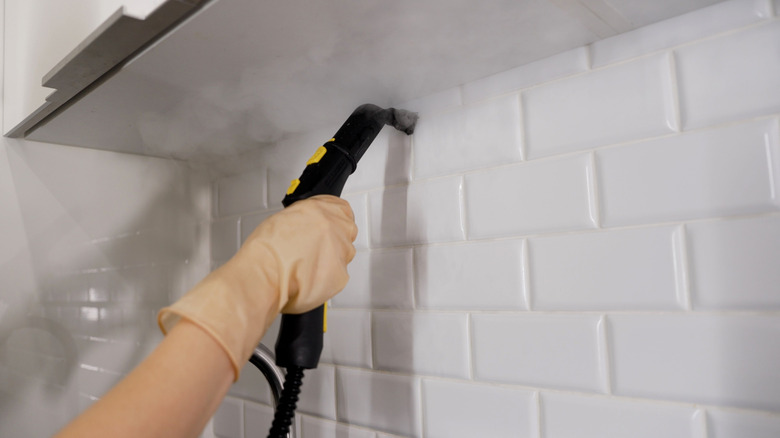
Typically made from epoxy resin and filler powder, epoxy has become a more and more popular option for grout, as it often proves to be more durable for high-traffic areas than cement-based alternatives. This type of grout is waterproof and often stain-resistant, making it an easy choice for many homeowners when it comes to installing tiles in bathrooms, kitchens, and even outdoors. To properly maintain your epoxy grout, clean it regularly with pH-neutral cleaners and a damp, soft cloth. Consistently wiping down epoxy grout will keep it from staining. If you have a tough stain, you can use an old toothbrush or even a steam cleaner.
Single component
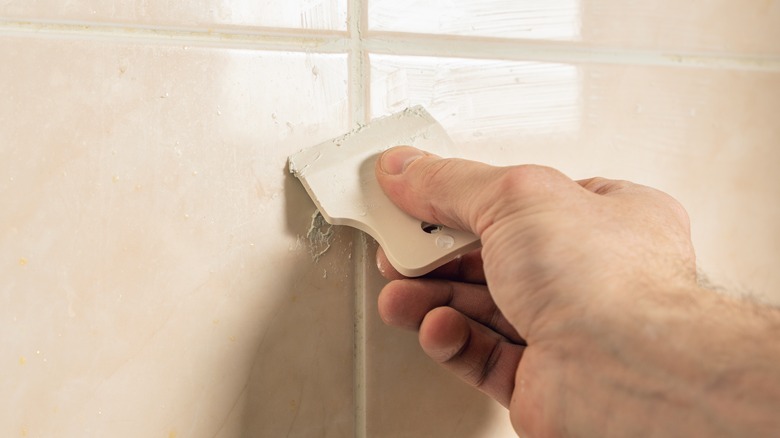
Unlike other types of grout, single-component grout does not require any mixing or even a sealer. Usually made of urethane or acrylic-silicone resin, single-component grout is reminiscent of epoxy as it is typically chemical-resistant, stain-resistant, and even mold-resistant. However, it's much easier to work with than epoxy. This type of grout is also a breeze to clean, thanks to its stain resistance. If the lines start to appear dirty or stained, you can always use vinegar, dish soap, or baking powder separately as cleaning agents. Allow the products to sit on the stain for a few minutes before wiping it off.
Pre-mixed polymer resin grout
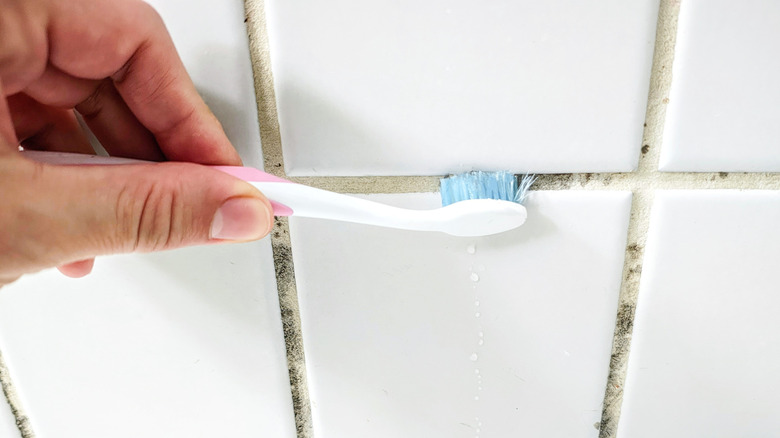
If you are experienced in the DIY scene, you may have heard of pre-mixed grout, which is exactly what it sounds like. This ready-to-use product is perfect for DIYers and is usually acrylic, polymer, or cement-based. Thanks to its convenience, pre-mixed grout is typically used for repairs or touch-ups in tile work. Similar to other types of grout with the same bases, the pre-mixed kind is easy to clean. You can either use a damp, warm cloth or soak the area with a baking soda and water paste before wiping it off. Avoid using bleach.