

14 Plants To Prune In Late Winter For Healthy, Vibrant Summer Growth
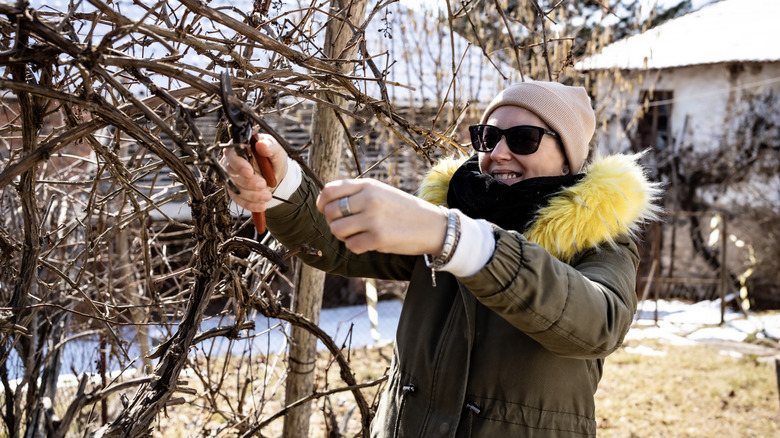
Late winter is a key time to prune trees, shrubs, and perennial flowers that bloom in summer on wood that has grown in spring of the same year, or "new wood" bloomers. Once winter thaws and plants emerge from dormancy, they are ready to focus their energy on producing new growth. By mid to late spring, flower buds have emerged on that new growth, and those buds will open in summer. These plants are slower bloomers than those that put on a stunning early spring display after a late winter pruning, but they can be pruned at the same time.
Some plant genera like roses, hydrangeas, and mallows have species that bloom on old wood and others that bloom on new wood. Be sure to know the difference. Most old wood bloomers should be pruned soon after they've finished flowering. This gives them the rest of the growing season to produce wood and buds from which next year's flowers will emerge. (Spring-blooming azaleas are an exception to this rule, as they should be pruned in early spring.)
New wood bloomers, on the other hand, are ideal candidates for late winter pruning, such as smooth hydrangeas, crape myrtles, and rose-of-sharon. Start your pruning by cutting back dead, diseased, or damaged branches or canes. To promote new growth, cut back suckers down to the roots and remove weak-looking, spindly canes or stems from previous years so that plants focus their energy on developing stronger main stems. Avoid "topping" trees or shrubs, which has the reverse effect, promoting weak suckers from the base rather than healthier shoots from the existing stem.
Summersweet
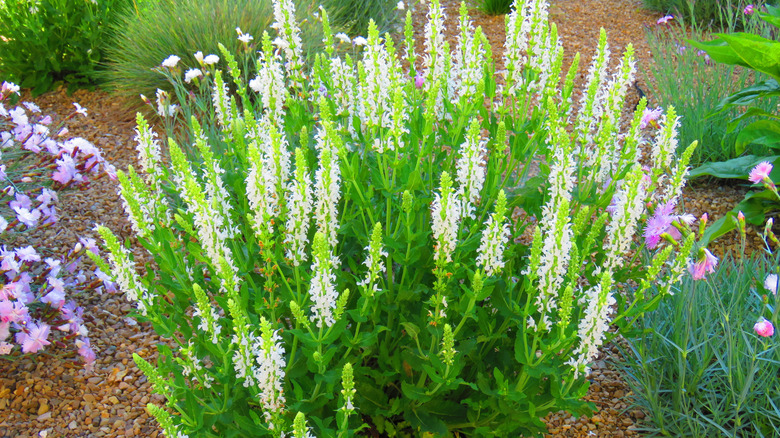
As its name suggests, summersweet (Clethra alnifolia) is a summer-blooming native of North America favored by hummingbirds, butterflies, and other pollinators. It produces fragrant white flowers that open from June to August. Clethra doesn't always require pruning, but older plants can benefit from thinning and rejuvenating cuts, and winter is an ideal time. You can also prune suckers emerging from the roots to prevent them from spreading. If you wish, you can use those suckers to propagate new plants.
Beautyberry
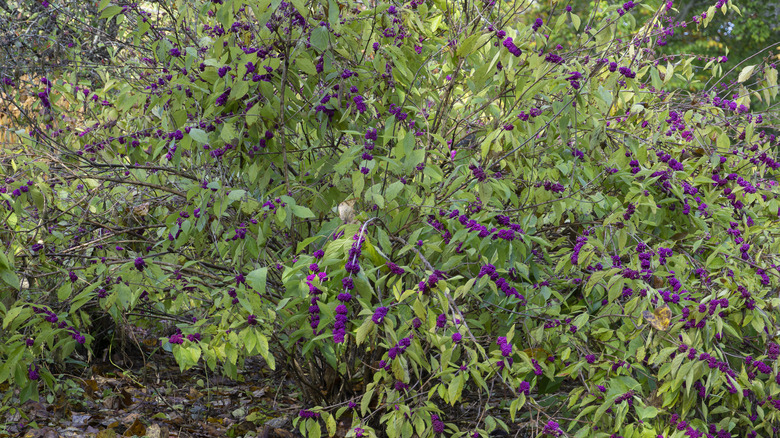
Beautyberry (Callicarpa americana) is another North American native. It blooms from early to late summer, producing gorgeous, purple flowers favored by native wildlife. It's a relatively easy plant to maintain. A yearly prune will promote new stems and more flowers. The plant can grow up to 6 feet tall, so if you want a smaller shrub, cut the plant down to 1 foot high in late winter.
Rose mallow
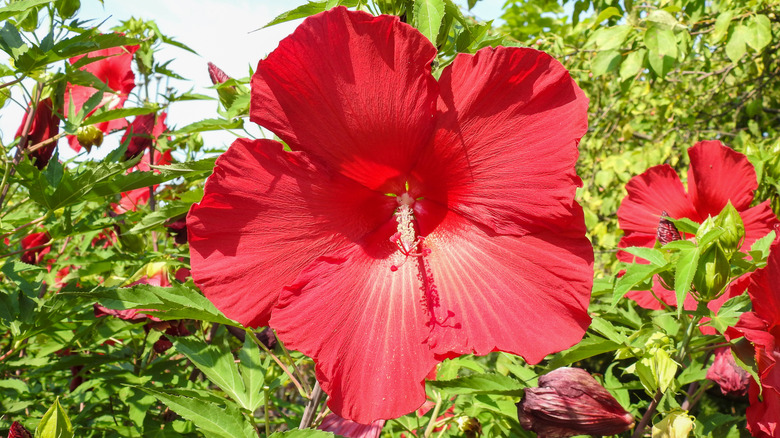
Rose mallow (Hibiscus moscheutos) is a North American native beloved for its dinner-plate-sized, tropical-feeling flowers that bloom from mid-summer into fall, then die back to the ground in winter. In late winter, you can cut back any dead stems in order to encourage new ones to grow. Its stems are woody, so be sure to have loppers among your garden tool set when you cut back your rose mallow plant.
Rose-of-Sharon
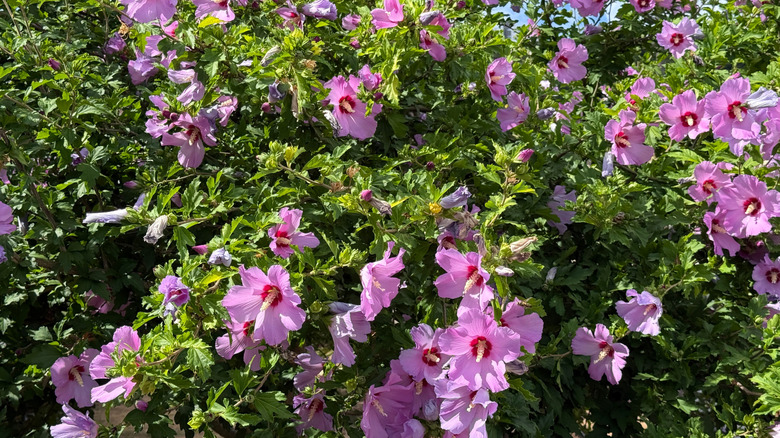
Rose-of-Sharon (Hibiscus syriacus) is a summer-blooming member of the mallow family, an Asian cousin of rose mallow. It can grow very large, so pruning it in late winter can help keep it in a desirable shape as well as promote new flowering. A light pruning is preferable, as a heavy pruning will result in fewer flowers the following year.
Snowberry
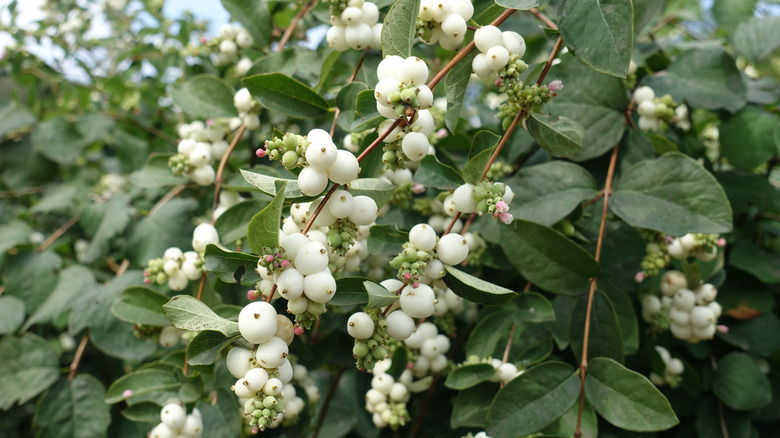
Snowberry (Symphoricarpos albus) is a North American native shrub that produces showy pink or white flowers that attract pollinators in summer, which turn into white berries that support birds and small mammals into the winter. It spreads by underground suckers, which can be cut back to the ground in late winter to prevent the plant from forming a dense thicket.
Smooth hydrangeas

Don't confuse your hydrangeas. Bigleaf hydrangeas (Hydrangea macrophylla) and oakleaf hydrangeas (Hydrangea quercifolia) produce flowers on last year's wood and should be pruned just after flowering. By contrast, smooth hydrangeas (Hydrangea arborescens) are a North American native that bloom on new wood and will respond well to a late winter pruning. A good prune will allow it to produce plenty of summer blooms from May to July, attracting songbirds, butterflies, and other pollinators.
Panicle hydrangeas
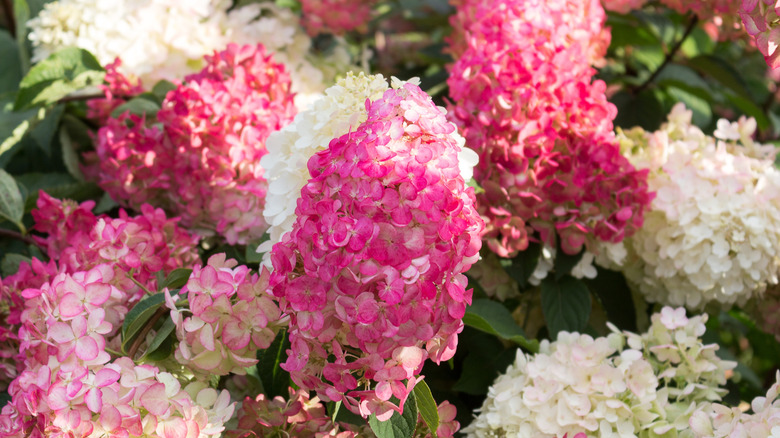
Like their smooth cousins, panicle hydrangeas (Hydrangea paniculata) bloom on new wood, in this case in mid to late summer, and are best pruned in late winter to early spring before they begin to leaf out. This is a very hardy variety of hydrangea, making it preferable to big-leaf hydrangeas, which are less winter-hardy. It can withstand a severe pruning to promote new growth.
Hardy fuchsia

True to its name, hardy fuchsia (Fuchsia magellanica) is a perennial that can survive North American winters down to -10 degrees Fahrenheit. Hardy fuchsias produce burgundy-red flowers in summer that bloom until the first frost. In colder climates, the plant will die back with frost, but if not, you can prune the stems to the ground so that new stems emerge from its hardy root system.
Russian sage
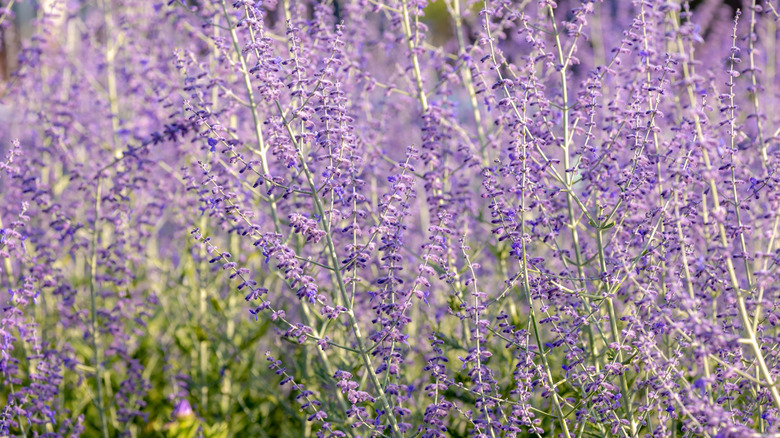
Russian sage (Salvia yangii) is a perennial shrub in the sage family from Southwest and Central Asia. Its tubular, fragrant flowers open on its many branches (or panicles) in late summer. Its hardy stems will survive a harsh winter, but leaving the stems on can reduce the amount of flowering. You can encourage new spring growth by cutting those stems down to several inches above the ground in late winter or early spring, just as new growth begins.
Japanese spiraea
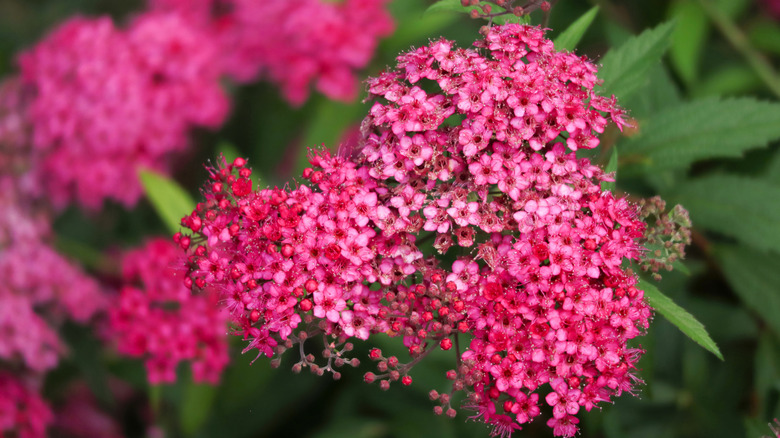
The aggressive spreading nature of Japanese spiraea (Spiraea japonica) means it is listed as invasive in some states, including Virginia, Georgia, Pennsylvania, New Jersey, and the Carolinas. But it can still be widely found in gardens in North America, grown for its pink summer flowers. It spreads both by seed and suckers, so pruning can help keep it under control. Prune it in late winter to propagate new growth, but prune it again just after it flowers to prevent seed development.
Butterfly bush
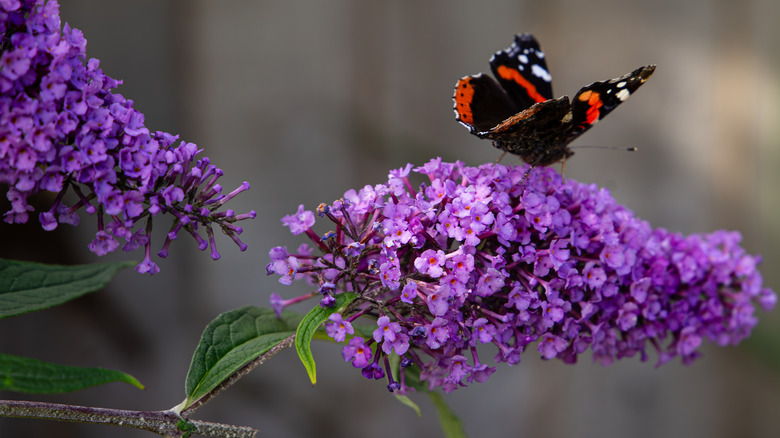
Butterfly bush (Buddleja davidii) is another widely grown shrub that produces beautiful summer blooms that attract butterflies and other pollinators, but the plant is considered invasive in some states in the western and eastern United States. Pruning it in late winter to early spring will both keep it under control and encourage more flowers. As with Japanese spiraea, you can prune it again after it flowers to prevent the dispersal of seeds.
New wood roses
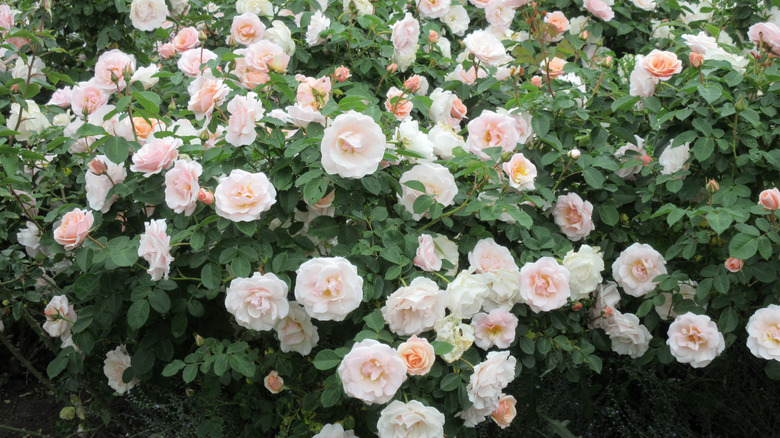
Some roses, such as many climbing roses, bloom on old wood that grows after blooming, so you should avoid cutting these roses back in the fall or winter. By contrast, hybrid tea roses, grandiflora roses, and floribunda roses bloom on new wood and should be pruned in late winter to early spring. Cut out dead canes that lack signs of green growth in them, as well as any branches damaged during the winter.
Crape myrtle
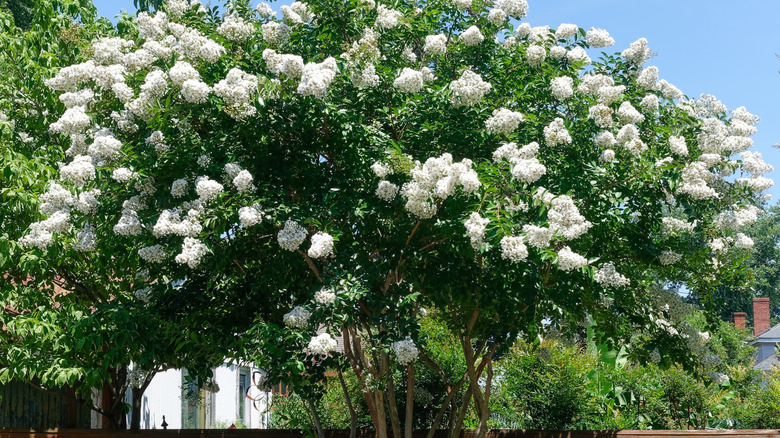
Crape myrtle (Lagerstroemia indica) produces stunningly colorful blooms that are at their best in the high summer heat from July to September, a time when most trees have completed their flowering period. In late winter or early spring, before the tree emerges from dormancy, begin by removing dead, damaged, or diseased branches. Pruning crossing inner branches can promote air circulation and reduce the threat of fungal diseases.
Chaste tree
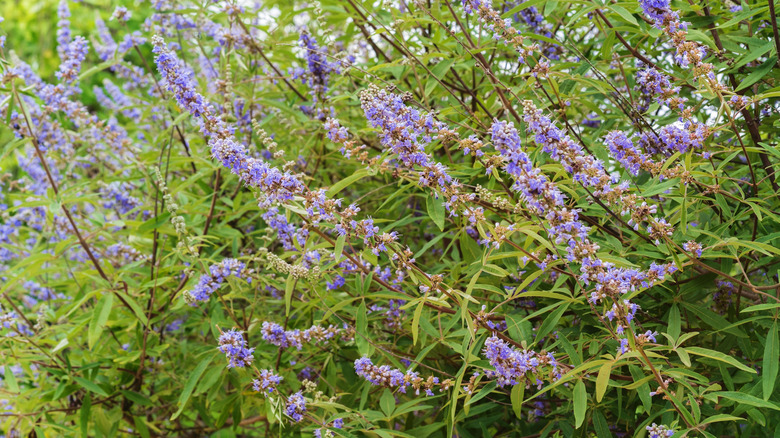
Like the crape myrtle, the chaste tree (Vitex agnus-castus) is a summer-long bloomer that keeps going when most other trees are long past their flowering stage, delighting beekeepers as well as gardeners. Its blue and violet spikes bloom on new growth, and it can tolerate a hard pruning in late winter. Pruning isn't required to keep it healthy, but since the tree can grow up to 15 feet tall, pruning can help keep it to a manageable size.