

Say Goodbye To Mice In Your Garden With The Help Of This Kitchen Herb
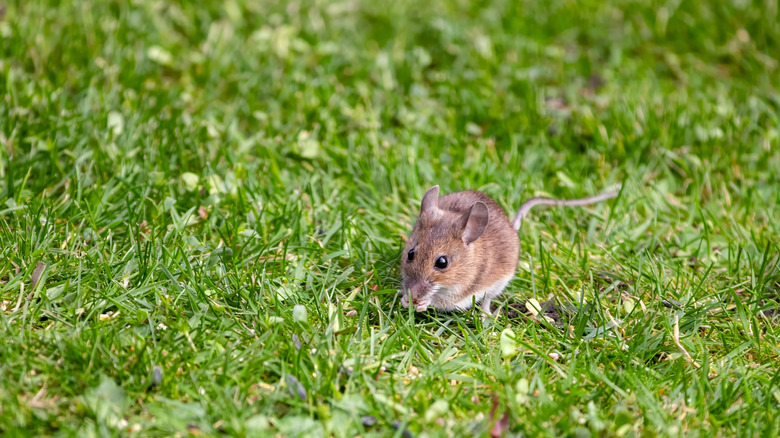
If you keep seeing mice in your shed, backyard, or garden, your first instinct might be to reach for some non-lethal traps or call an exterminator. However, you may not need to do anything so drastic. The secret to a mouse-free backyard is probably already sitting in your spice rack. Rosemary (Salvia rosmarinus) is more than just a delicious way to season your Sunday roast; it can be a natural deterrent for rodents. Why? Because mice rely heavily on smell to find food, navigate terrain, find mates, and avoid danger. In your garden, this stinky plant can act as a sensory no-entry sign and make your garden much less appealing. You might be able to use this fragrant evergreen shrub to reclaim your outdoor space from a mouse invasion without harming the local ecosystem, your pets, or your kids.
The reason this kitchen herb may be effective comes down to its chemical makeup. Rosemary has high levels of camphor; the strong smell of this compound may mask the scents mice use to navigate through life. Your little garden intruders may consider an area high-risk if they detect a strong, unpleasant smell like the scent produced by this large herb. Since their noses are so sensitive, the intense woody aroma of rosemary may overwhelm their senses. They won't be able to sniff out nearby predators or food sources, motivating them to leave the area. You get a natural defense system that smells wonderful to you and operates year-round, but keeps tiny intruders away. Plus, if you help your rosemary plants to thrive with one simple addition to the soil — sand, gravel, or perlite — they'll grow stronger and more fragrant each season.
Use rosemary as a mouse-proof barrier in your garden
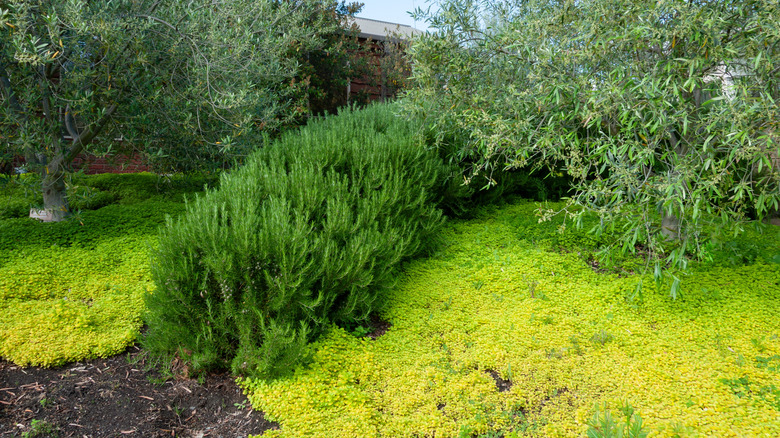
To get the most out of this herbal hero of a plant, be strategic about where you plant rosemary. Hands down the best method is to create a living perimeter around specific areas of your garden you want to protect from mice. If you have a veggie patch or prized flower bed full of greenery that mice find delicious, plant rosemary bushes closely together to form a low hedge around the perimeter. This will create a wall of scent that mice may be reluctant to cross. To improve results, run your hands through your rosemary's leaves or even smack the stems whenever you're working in the garden. This lightly bruises the foliage, releasing fresh bursts of potent scented oils into the air, refreshing your invisible shield. The herb grows best in USDA Hardiness Zones 8 to 10 in sites with full sun and very well-drained soil.
You might also be worried about mice entering your house from the garden. There are plenty of brilliant tips and tricks to keep mice out of your home, and rosemary is one such tool. You'll want to plant it in pots this time. You can place large containers of the fragrant herb near entry points, like porch steps, garage doors, or shed entrances. Since mice will hug building foundations when traveling, these pots can act as aromatic roadblocks. Plus, potted rosemary is easily transportable; move these portable protectors as needed. They're especially useful during colder months when rodents are at their most desperate to find somewhere warm to hole up for the season. While rosemary doesn't replace professional help for a major infestation, it may help deter a few curious mice that are considering permanent residency in your yard.