

12 Popular Ant-Repelling Methods & How To Use Them For The Best Results
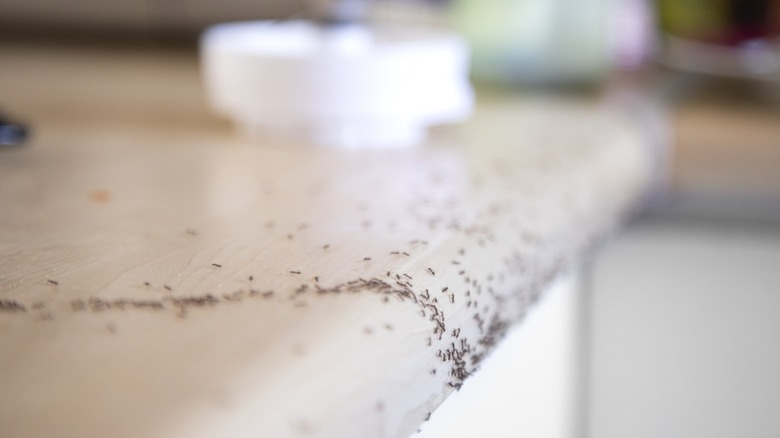
Out of the corner of your eye, there's a trail of little black dots moving along your kitchen floor. What do you reach for to get rid of these pesky ants? Depending on certain factors, including location, effectiveness, and toxicity, the answer might vary. Some of the most popular methods for repelling ants include more natural options like spraying white vinegar, laying down coffee grounds, and wiping down surfaces with soapy water.
Each method, especially natural deterrent methods, can and should be used in different ways for maximum effectiveness. The key to managing ant invaders may rely on understanding the best deterrent method for your current situation. The most effective method might vary depending on the location where the ants are a problem. For example, ants in small cracks might be best treated with citrus peel powder that can be sprinkled into the crevice, while ants wreaking havoc on your kitchen countertops would be more easily dealt with by wiping the surfaces with vinegar.
Deter ants naturally using lemon juice
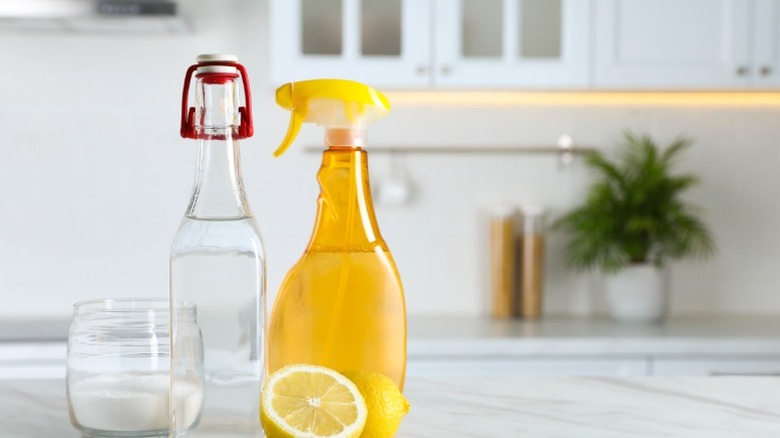
Acidic lemon juice diluted with water can repel ants when used as a spray. It's a non-toxic option for homes with small children and pets. Unfortunately, this mixture may only work in the short term. Reapplication may make this method less effective for certain areas. Lemon juice can also be mixed with an essential oil to create a more potent concoction to block ant trails. Use a half-and-half mixture of lemon juice and water.
Fruit peels are a short-term ant repellent
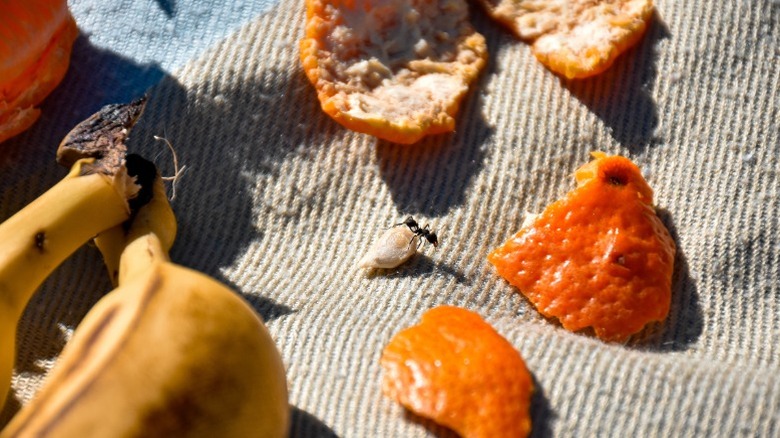
Save some of your kitchen scraps for a natural ant repellent. The peels from citrus fruits and cucumbers have strong scents that deter ants naturally. To use citrus peels to get rid of ants, create a powder from dried orange, lime, or lemon peels. Sprinkle this powder in cracks and voids where sprays cannot reach. Cucumber peels also work when placed near the entrance to your home, with ants avoiding this unappetizing peel. Keep in mind that cucumber peels might repel ants for a short time, but not for very long.
Reapply clove essential oil to deter ants
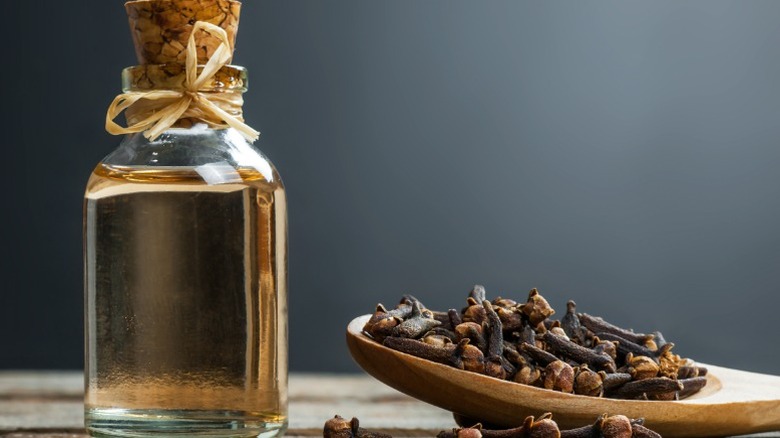
Clove oil helps repel ants because it contains eugenol, which is considered an insecticide and can kill insects, including ants, on contact. A few drops of clove oil can be mixed with a bottle of water to create a spray, which can then be applied around entry points in your home to prevent them from invading. Clove oil, as a natural insecticide, is not dangerous to use in your home. Its impact is short-lived, which means you will not harm pets by spraying it indoors. That also means for the best results, repelling ants requires frequent reapplication.
Coffee grounds repel ants in dry areas
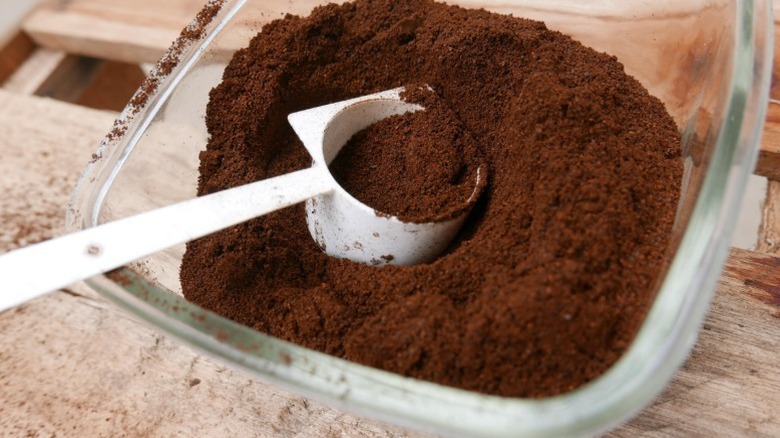
The strong odor of coffee grounds, combined with their acidic chemical makeup, can confuse ants by preventing them from finding a trail. For the best results, this repellent method can be spread in a 2-inch-thick line outdoors, around the base of your home. Be aware that as the scent from fresh coffee grounds dissipates, it loses potency as an ant repellent. You can reapply to make the best use of spent coffee grounds.
Confuse ants with a chalk barrier
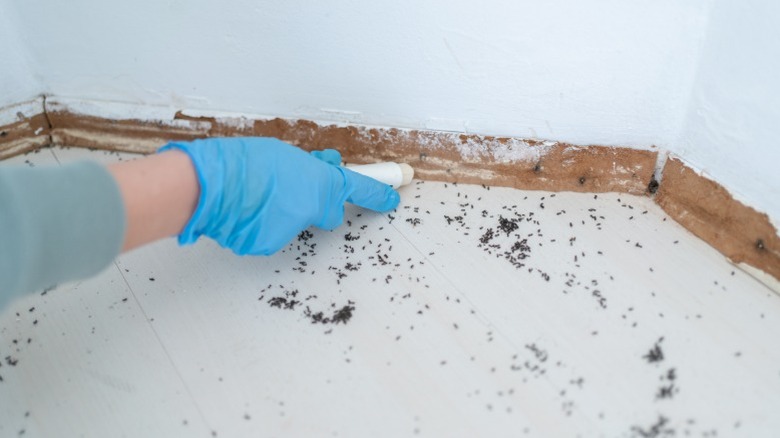
Chalk confuses ants by disrupting their scent trail, making it difficult for them to follow each other. As such, you can create a barrier against these pests by drawing a chalk line on the ground. The trick to using this deterrent successfully is frequent reapplications, which can help to prevent ant invasions over time. To do this for yourself, take simple sidewalk chalk and apply a barrier line around the entries to your home, including doors and windows.
Peppermint oil is a potent ant repellent
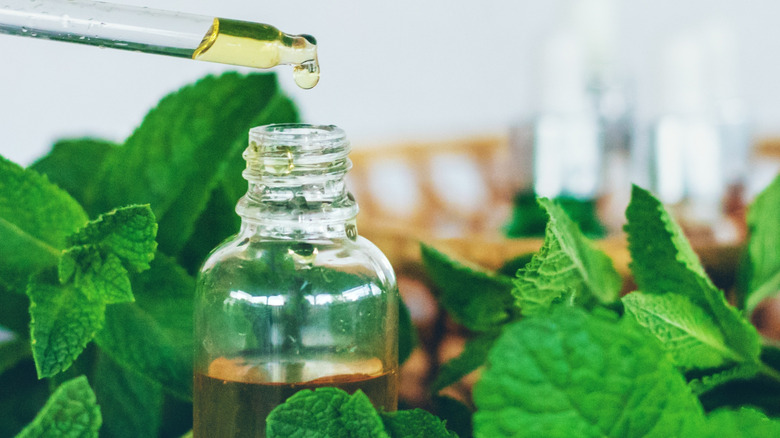
Peppermint oil is a pleasant-smelling and easy-to-use repellent for ant problems. Just a few drops work when mixed with a bottle of water to make a simple repellent spray. For the best results, spray it around entry points to your home to prevent these pests from intruding. You can also use this essential oil to naturally deter ants from invading kitchen cabinets. Large concentrations of peppermint oil can be toxic to dogs, cats, and other pets, so exercise caution when using this repellent at home.
Diatomaceous earth kills ants
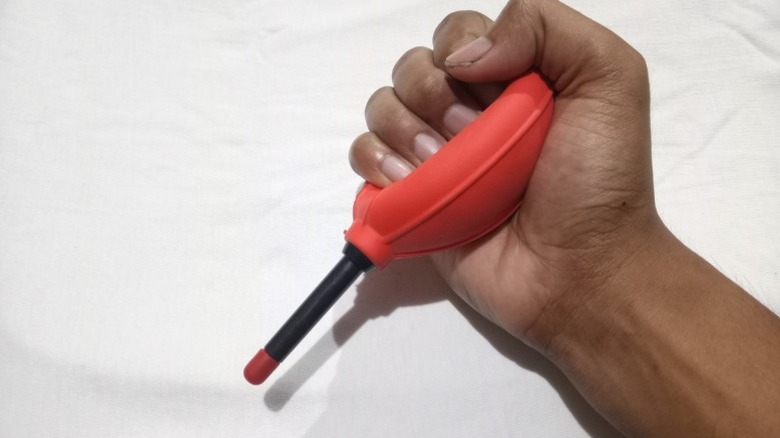
Diatomaceous earth, made from fossilized shells of ancient organisms, is a wide-ranging insect repellent. Diatomaceous earth might be your secret to controlling ants, as it is highly effective at killing these pests. The dust harms an ant's protective exoskeleton, causing it to become dehydrated and die. Applying it indoors, however, can be tricky. The little particles can irritate your lungs if you accidentally inhale them. Spraying it into cracks and entryway points of your home with a bulb duster can limit irritation. For the safest application, you should always use food-grade diatomaceous earth.
Wipe away ant trails with soapy water
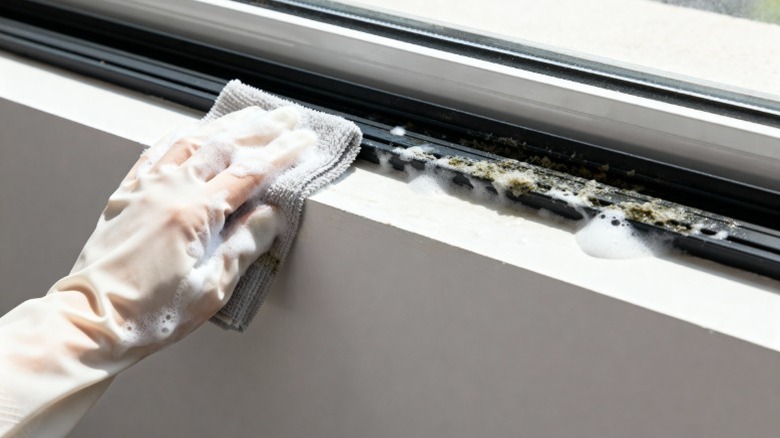
A little soapy water might be all you need to get rid of ant trails and stop these pests from invading your home. Use this tip on surfaces like kitchen counters, around pet food bowls, and other attractive areas. To completely solve your ant issue, you'll need to know where they are getting into your home to wash away their trail and stop them in their tracks. Soapy water can also kill ants on contact if you spray them directly. Unfortunately, this might repel them for a while, but it's rarely a long-term solution.
Sprinkle a little spice to ward off ants
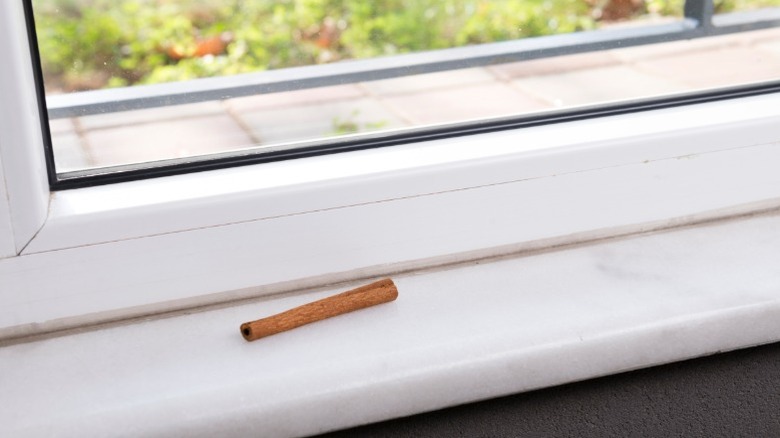
Cinnamon and chili pepper both have some repellent qualities when it comes to various species of ants that invade the home, as their strong aroma can temporarily disrupt ants' scent trails. Using spice powders like cinnamon and chili pepper is not complicated. Sprinkle them lightly near entry areas to your home to deter the pests from coming inside, though be warned, these spices can attract other insects. Cinnamon sticks may also be left on windowsills to deter ants with their strong odor.
Use vinegar every day to repel ants

A little white vinegar can go a long way. As an ant repellent, vinegar works to cover up old ant trails and deter future ants. Vinegar is a very safe choice to use as an ant repellent and can be used in places where pets or small children frequent without harmful effects. Dilute your vinegar using a mixture of one part vinegar to one part water, and wipe it over surfaces like cabinets, floors, and countertops. You can also try cleaning overlooked areas with vinegar to keep out ants, including baseboards, window sills, and behind trash cans.
Castile soap deters ants on baseboards
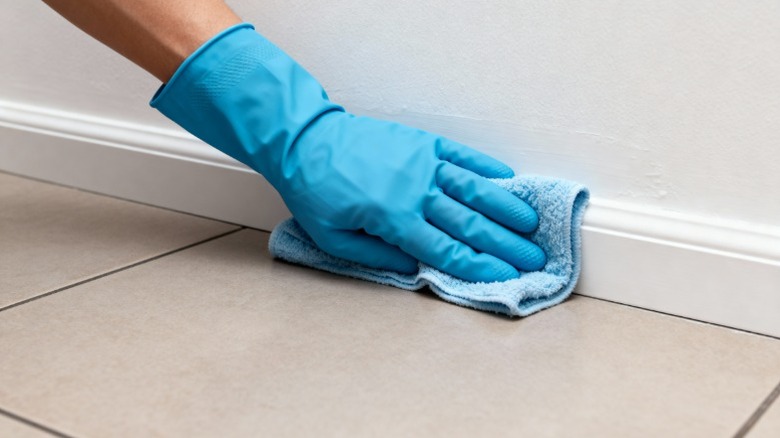
A mixture of ¼ cup crumbled castile soap, 1 quart water, and a few drops of essential oil can be used as a spray or to clean floors and deter ants. Alternatively, if you don't have a solid cake of castile soap, use two teaspoons of liquid castile soap in a gallon of water with around 20 drops of essential oils. Castile soap is safe for use around kids and pets, yet it dehydrates and kills bugs like ants. For best results, focus on cleaning or applying this solution to door frames, baseboards, and other areas on your home's perimeter to disrupt the path of foraging ants.
Use leftover citrus peels to deter ants
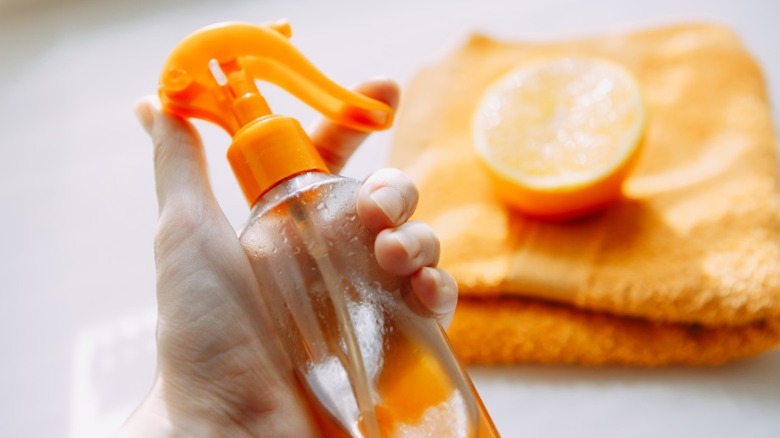
Save the peels of your citrus fruits to create a fragrant spray to ward off ants. Heat your peels in a pot of vinegar and let them sit overnight, then strain out the peels. Peppermint or eucalyptus oil can be added for extra impact. Ants dislike the strong scent of citrus, and the chemical properties in this spray can repel their activity. Citrus oils contain d-limonene, a toxic substance for ants. Regular spraying helps get rid of old food smells or residue that may attract foraging ants.