

12 Old-School Gardening Habits It's Time To Let Go Of
We may receive a commission on purchases made from links.
Many long-standing gardening habits most folks still do because it's just what they've always done, or because their parents did it that way, or they saw it on social media as a "forgotten hack." But really, those old-school habits are based on an obsession with neatness and formality, quick results, and keeping up with the neighbors. Today, there's much better research on soil health, proving our ancestors really did know what they were doing when working the land without chemical inputs. Plus, there's intensive and ongoing research about biodiversity, climate, soil health, and the importance of wildlife. And it turns out, many of these old-school habits or shortcuts actually do more harm than good and create more work and weaker plants over time.
As a permaculture specialist, I've always tried to work with nature, rather than against it. I also understand the importance of being willing to learn, change, and experiment. I'm a master gardener, and the more I learn, the more I experiment with what works for my particular garden, the healthier and more productive my plants become. Letting go of outdated routines and swapping in gentler, healthier, research-based practices gives you healthier beds and plants, a garden that's resilient and full of life, and a lighter overall workload.
Double-digging and rototilling beds every spring
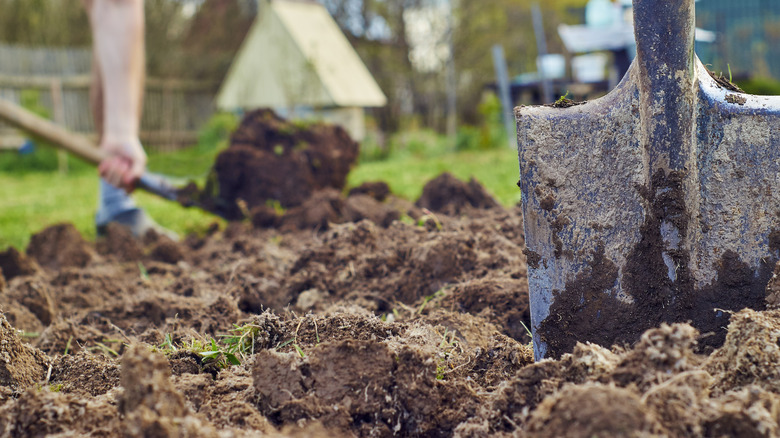
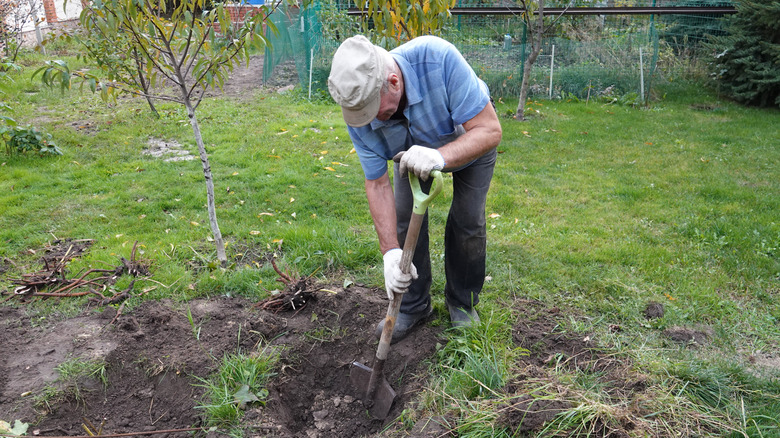
Double-digging and breaking out the rotovator every spring, and then rotovating or tilling again at the end of the season was something I saw my father do religiously every year, while my grandmother shook her head and tutted about harming the soil and all the living creatures it harbored. Plus, double-digging is back-breaking work. Even single-depth digging a whole bed is a tough ask. It involves digging down one to two spade depths to loosen soil, improve drainage, and remove weed roots. But what it really does is mess up soil structure, disrupt microscopic organisms and their processes, and harm all the useful creatures, like worms, that live and work in the soil. It also disrupts drainage channels and destroys fungal networks. Tilling is just as damaging, but tillers are marketed as a way to do the same deep digging faster and easier, and to give you a finer soil structure.
Ditch the digging and the tilling and go to a better, less physically demanding and soil-disrupting no-dig method. Focus on top dressing with layers of mulch and compost, and let time, worms, roots, and other soil organisms break them down and mix them in for you. And don't forget you can plant straight into a thin layer of compost and mulch while you're waiting for it to break down into the soil. Add leaf mold and well-rotted manure (never fresh) on top each fall, and let it decompose and improve your soil over winter. This is how you really improve soil health.
Raking and bagging every fallen leaf as waste
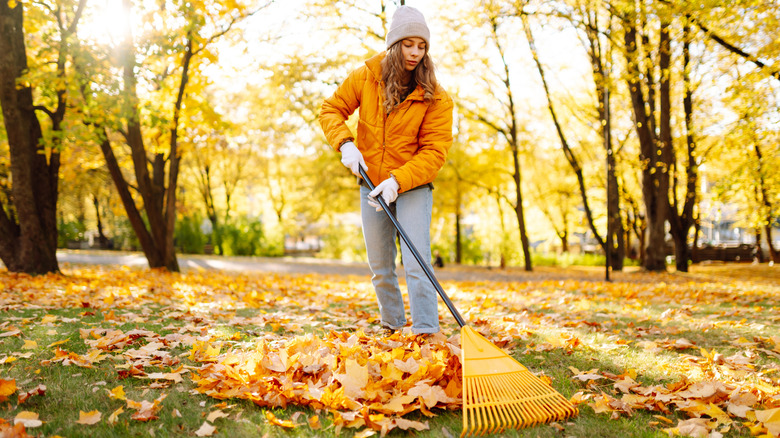
Raking every leaf off lawns and borders in fall and bagging them for collection or even burning them was every suburban homeowner's chore every fall, forever. The lawn had to be tidy and neat. There was a lot of pressure and advice to keep lawns clipped short and free of all debris. The same advice proclaimed borders should be stripped as bare as possible every fall as "good maintenance." This amounts to decades of advice to throw away or burn valuable, nutrient-rich leaf litter that your garden can actually use to nourish itself. This leaf litter also attracts useful overwintering insects and small mammals.
As leaves break down, they release nutrients and valuable organic matter back into the soil, replenishing nutrients and improving structure. Yes, you should rake or shred and spread thick mats of fallen leaves to they don't smother lawns or beds, but you should not strip every dead leaf from your yard. Whatever you rake from the lawn, spread it under perennial shrubs or around tree root zones. Add it to borders or hedges, or scoop it into a leaf mold pile that will eventually rot down into a rich, thick, crumbly absorbent mulch. Basically, only remove diseased leaves or leaves that are causing real problems.
Cutting every perennial down to the ground each fall
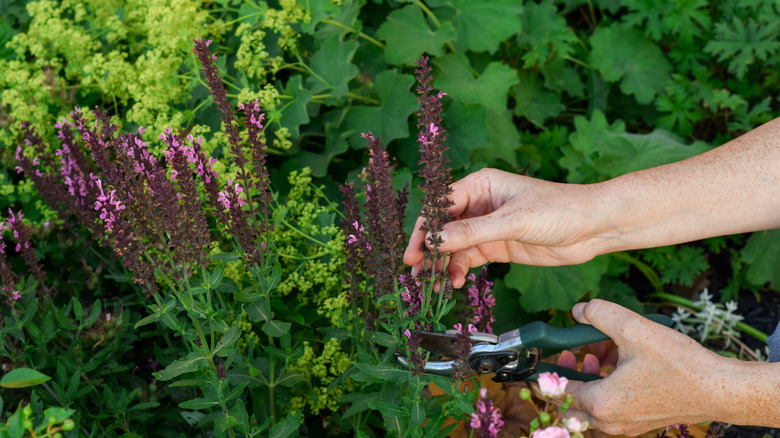
Back when everyone was stuffy and formal, and nature was something to be tamed and controlled, the advice was to blindly cut back all of your perennials as soon as they showed signs of being finished for the season. The first sign of bending stems and yellowing leaves, and gardeners across the country would rush out and hack them down, as if plants fulfilling their natural cycle and showing yellowed leaves was somehow deeply shameful to a homeowner. So the idea of "putting the garden to bed" was what everyone did, without realizing that dead stems were anything more than useless clutter, and it was one of the key gardening mistakes you can make in fall.
Now we recognize that doing this could harm overwintering pollinators, insects, and invertebrates that take shelter beneath stems and leaf litter. Plus, of course, seed heads from things like native grasses and coneflowers provide valuable food for birds and small mammals through winter, when other food sources are scarce. And we now understand that bare soil is prone to scouring winds, exposure, and runoff that leeches away nutrients and is more prone to frost damage. So, a better practice is to leave at least some hollow stems and seed heads until late spring. Firstly, you're providing food and habitat. Secondly, those tall stems catch falling leaves and trap snow, providing free and effective insulation over vulnerable perennial crowns.
Treating the lawn like a short, weed-free carpet
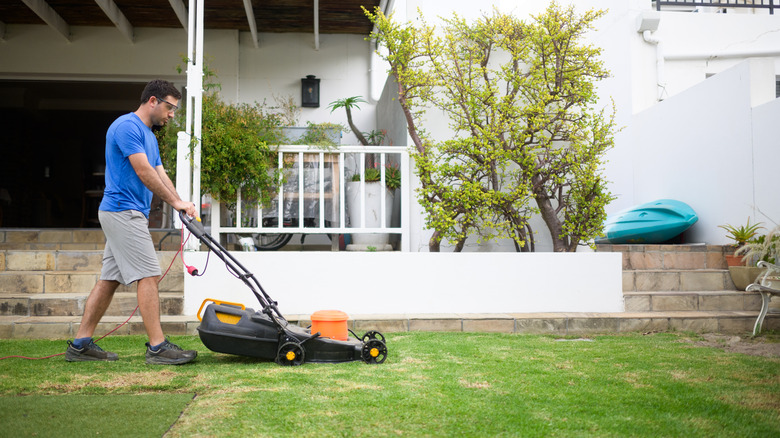
Old-school lawn care looks something like this. First, you scalp the lawn like it's a golf green at one of the most prestigious clubs in the country. Then, you spray copious amounts of herbicides to remove "weeds" like clover, daisy, and dandelion. Next come the regular and eternal fertilizer applications and constant watering to keep it looking green and lush. "Perfect" lawns are a weird traditional status symbol. These lawns actually aren't perfect. They are unhealthy, barren, devoid of life, and unable to sustain themselves. Scalped grass is stressed, and this stress coupled with overfeeding to keep it extra green, results in shallow, matted roots that can't access deeper layers of moisture and nutrients. Hence the need for constant feeding and watering.
Those weeds you're desperately trying to get rid of aren't weeds. They are valuable pollinator food, especially early in the season. Smart gardeners who want a self-sustaining lawn and like healthy soil and a lively, biodiverse garden actively plant bee-friendly lawn mixes that include clover, self-heal, and daisy seeds. Choose lawn seed (preferably a pollinator-friendly mix) that performs well in your area and with your soil conditions. And don't mow so low. Set your mower to 3 to 4 inches. This leaves enough height on the grass blades that they shade their own roots and are overall less stressed and can better compete with true weeds. Avoid the temptation to feed heavily. Instead, let nature work its magic and let the plants root themselves strongly and deeply. This way, the grass becomes more drought-tolerant and is able to access deeper nutrient reserves, so it requires less watering and little, if any, feeding. Plus, of course, you can use mown leaf litter as a fall lawn feed every year.
Blanket-spraying pesticides at the first sign of bugs
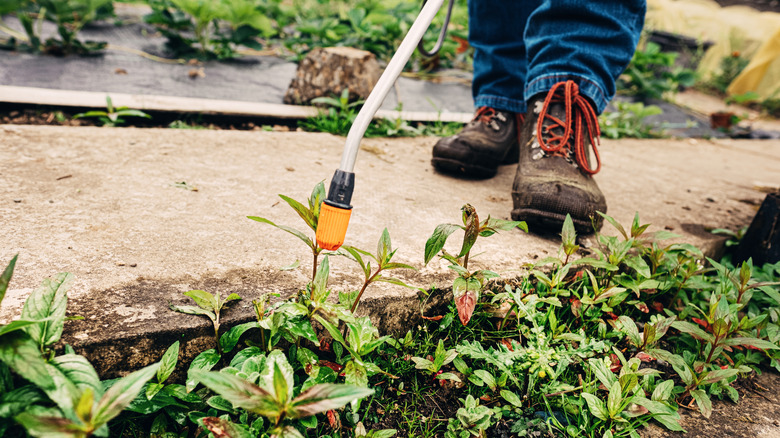
A common and sadly still pervasive habit is to blanket-spray pesticides at the first sign of any potential pests. Or, people simply do it whenever their calendar tells them to, whether there are any pests or not. And some people believe this is a good form of prevention. It isn't. It's devastating to biodiversity, pollutes the soil and the ground water, and is harmful to people, pets, and wildlife. And then there's the problem with rebounding. You spray a random pesticide to kill everything in sight, and then a couple of weeks later, you get a huge influx of pests with no predatory insects left to tackle them. So you use more pesticides. And the cycle continues. Broad spectrum insecticides or pesticides kill any insect they come into contact with, including predatory ones and pollinators. They shouldn't be used indiscriminately.
Never just randomly spray pesticide because you "always do" at a set point on the calendar. In the first instance, figure out if you really do have a substantial pest problem and what the pest is you're fighting. Then look at your options. There are usually plenty of less harmful ways to control pests than broad spectrum sprays. You can often use companion planting, deterrents, predators, and other natural methods of control successfully. Using natural controls maintains ecosystem balance and preserves biodiversity and your garden's food web.
Automatically adding peat to every bed and pot
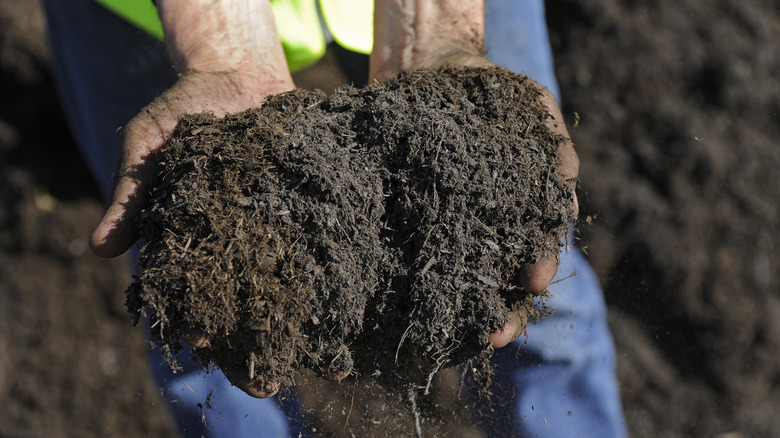
Peat is rich in nutrients and retains moisture, so it's understandable that it has been the go-to for potting mixes and soil improvement for decades. Peat is fairly cheap, easy to handle, and does get great results. But now we understand that peat is a finite resource that takes thousands of years to accumulate. And that it sequesters a disproportionately large amount of carbon. When peat is harvested, this carbon is released into the atmosphere, so peat harvesting is actively contributing to climate change.
There are other alternatives to peat that work just as well. I make my own seed starting mix with compost, coco coir (Coco Bliss 650-gram blocks are a good choice), and perlite, like Plantonix organic perlite. This is peat-free, natural, and cheap to make. And it gets me great results, as it retains moisture, drains well, is nutrient-rich, and has plenty of aeration, giving my plants the best start until they're ready to plant out in their final location. You can also buy peat-free potting mixes. To improve soil health in your garden beds, you don't need peat. You need rich, organic matter in the form of compost, well-rotted manure, leaf litter, or similar that break down over time and improve nutrient content and soil structure.
Relying on landscape fabric for long-term weed control
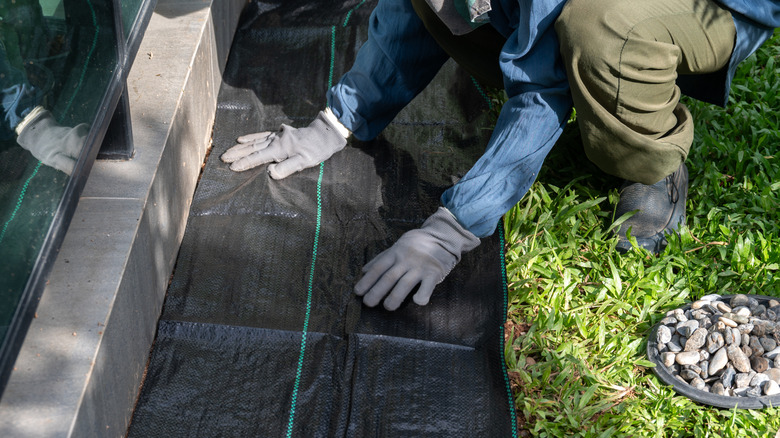
Laying woven or spun landscaping fabric over beds, then covering with mulch, is a very old-school technique that promises to be a form of permanent weed control. But it doesn't really work that way, and creates more problems than it solves. You can see the appeal of a product marketed as a one-time fix that eliminates the chore of weeding. Good-quality fabric does keep weeds at bay for a season or two, if you lay it correctly, but it doesn't last, as leaves and debris eventually get caught in the mulch or gravel you've laid on top, migrate to the fabric layer, and decompose into compost. Then weed seeds blow in or roots push up from below, and you'll soon find yourself weeding again. But, it's more challenging at that point because the roots are bound in the fabric layer. It's also very difficult to dig out as the fabric shreds.
There are so many mistakes you can make with landscape fabric, and the overall benefits just aren't worth it. Instead, weed the area you want to keep clear, then lay a thick layer of cardboard, and add a dense layer of mulch like wood chips over the top. Yes, you'll have to weed it eventually, but if you keep on top of it, it's not a difficult task, and you don't limit water, nutrient, or gas exchange in the soil.
Topping trees to keep them small and safe
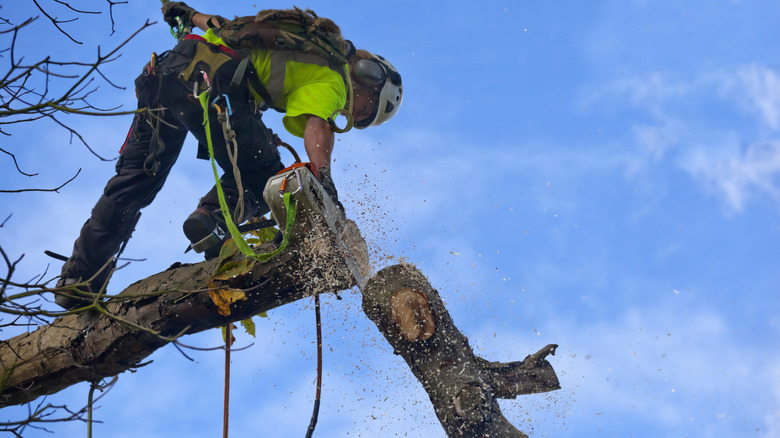
Topping trees used to be the recommended way to maintain trees at a reasonable height and overall size. The process involves simply lopping the top off or cutting back all the large limbs to short stubs. It's intended to reduce the overall size, height, and volume and stop a tree spreading too quickly. Topping is pushed as a cheap, easy way to "control" trees that get too big or too close to power lines. The problem is that topping causes large wounds that don't heal. Instead, rot and decay sets in and causes structural weakness and, eventually, the tree can die. Some regrowth sometimes occurs on a topped tree, but it's usually dense, upright shoots that aren't structurally sound, which makes these trees more dangerous and expensive to maintain over time.
You can, however, trim your trees without harming them. To reduce volume and height, hire a professional arborist to do structural and selective crown reduction instead of broad topping. A pro will make sure to keep branch collars and natural form in tact, and can reduce the crown without causing lasting damage. If you have a tree that's outgrown its space, such as being too close to the house, for example, instead of topping, you'd be better off doing a careful, staged removal and replanting with a more suitable species.
Reusing railroad ties and old creosote-treated timbers in beds
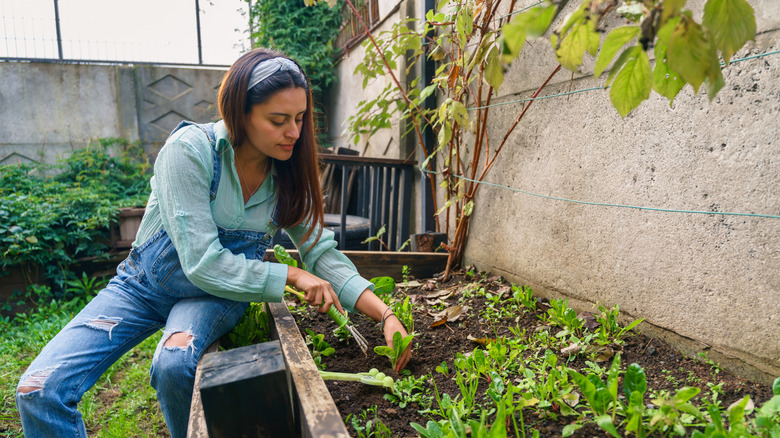
Reusing old railroad ties and reclaimed timber for raised beds has been popular for decades. And it surged in popularity with social media trends that pushed rustic outdoor decor and reclamation as an eco-friendly and budget-friendly way of building raised beds and border edging. These items can be a good, cheap, plentiful source of gardening materials, but so many are treated with creosote, which is a known carcinogen, or other preservatives that are equally as dangerous. These chemicals leech into the soil and are significant pollutants that can be dangerous to humans and animals, and definitely shouldn't be used anywhere near food crops.
Now that we know more about the dangers of the chemicals used to treat old wood, we can make better choices. Ideally, go for naturally durable wood like cedar and larch, which are both rot and pest-resistant without chemical intervention. You can also use masonry or galvanized metal edging. You'll need to check with your local guidance for allowable ways to dispose of creosote-treated timber.
Setting overhead sprinklers for late evening
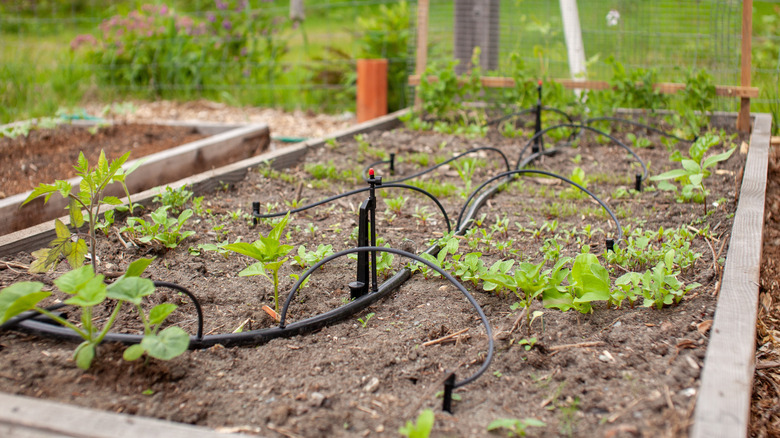
The old advice used to be to water in the evening when the temperatures were cooler. This makes sense in theory, as you can burn foliage by watering during the hotter parts of the day. However, watering at night, especially overhead, leaves foliage wet overnight. That makes the plants more attractive to slugs and more prone to pathogens, particularly fungal diseases, mildews, and leaf spots.
Switch to watering in the early morning instead. That gives plenty of time for the water to dry before nightfall. If you also water at the soil level instead of overhead, you'll avoid excessively wetting the foliage and causing burns during the midday heat. Water long and deep to encourage strong root growth and drought tolerance. Soaker hoses, like the Rocky Mountain Goods heavy-duty soaker hose, are brilliant for this.
Piling mulch into volcanoes around trunks
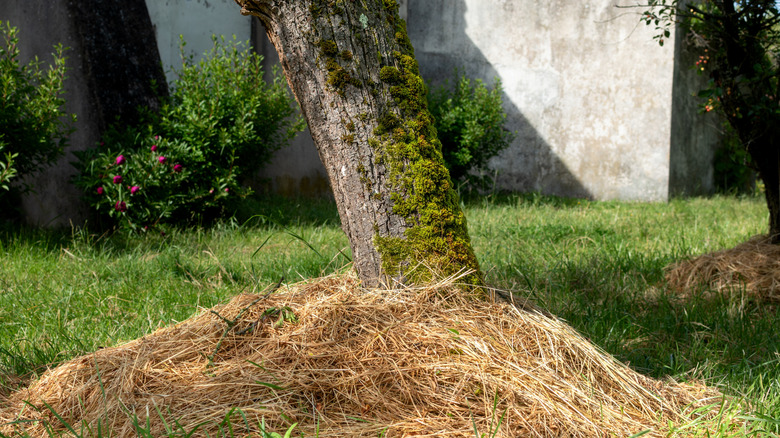
Piling mulch into a cone or volcano around the flare of a tree trunk, sometimes up to 12 inches deep, was common practice. The advice was that this practice would protect the tree from frost and keep weeds down, and the practice spread with a "more must be better" approach. But this process actually traps moisture against the trunk where disease and pests can take hold. Over-mulching like this can also suffocate the roots closest to the tree flare.
Mulch should actually be pulled back from the trunk by 2 to 4 inches. The flare should be visible and clear of mulch. You want an even layer of mulch of 2 to 4 inches that covers the whole root zone, in a donut shape. The root zone is approximately the same size as the canopy or drip line. You've got lots of mulch options, but rich compost or bark chips are good choices. You simply top them up every year or so, when it starts to thin out a little.
Filling borders with fast-spreading groundcovers to reduce weeding
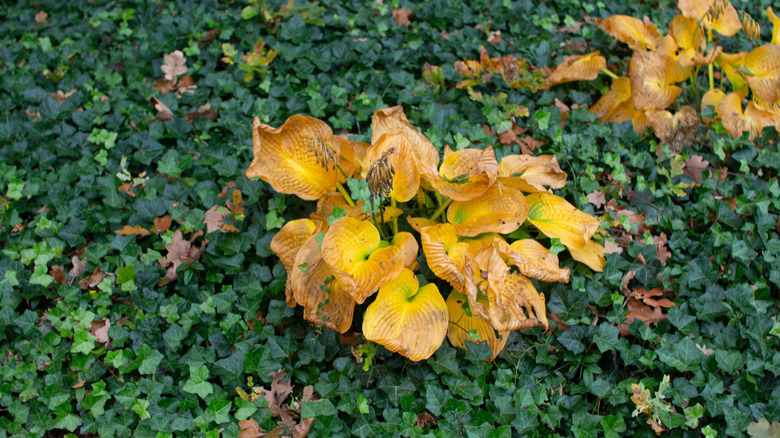
To quickly fill bare space, people used to, and sometimes still do, grow aggressive ground covers. Things like vincas (Catharanthus roseus) and English ivy (Hedera helix) or Japanese honeysuckle (Lonicera japonica) may seem like a good idea because they're easy to grow and they spread quickly. And they were marketed as low-maintenance ground cover and erosion control that would grow in almost any conditions. But many, like English ivy, are invasive across much of the United States, and others just grow so fast that they get out of control very quickly.
Before planting anything, check local and national invasive plant lists. Avoid species highlighted as invasive, near-invasive, or escapees. Choose clump-forming options, low-growing, non-invasive perennials, and easy-to-control groundcovers. Use edging, paths, and regular light trimming to keep groundcovers in check. I like creeping phlox (Phlox stolonifera) and creeping thyme (Thymus serpyllum) for ground covers, as they grow easily, are fairly simple to control, and they look lovely. Filling bare spots in borders is useful, because it helps stabilize soil, blocks out weeds, and limits soil exposure and runoff.