

Decluttering Pro Shares What You Should Do In 2026 To Be More Organized

If your goal is to be more organized in 2026, start by decluttering. Fewer belongings mean less to organize and manage, and more space for the things you actually use and love. However, this can be overwhelming when you think about all the stuff you have accumulated around the house over the years. Where do you even start? Maybe you've tried to declutter before but quickly rain into decision fatigue. Or perhaps you simply don't have the time or energy to tackle the whole house. The good news is that you don't need a lot of motivation or time to succeed in decluttering, at least according to Margo (@begoodtoyourselfbymargo8), a certified home organization and decluttering coach. In her recent TikTok video, she encourages homeowners to focus on three simple steps to get started: commit to removing one item a day, pause shopping for non-essentials, and tackle one room at a time in 10 to 15 minute windows.
These simple strategies can be game-changing when it comes to decluttering your home because they focus on small, manageable actions. Removing just one item a day helps sidestep decision fatigue, while taking a break from shopping slows the influx of new "stuff" to organize. Most importantly, focusing on one room at a time makes decluttering your entire home feel far less overwhelming, and working in 10 to 15 minute increments helps curb burnout. Here is a closer look at her tips and how to implement them.
How to remove one item a day to declutter your home
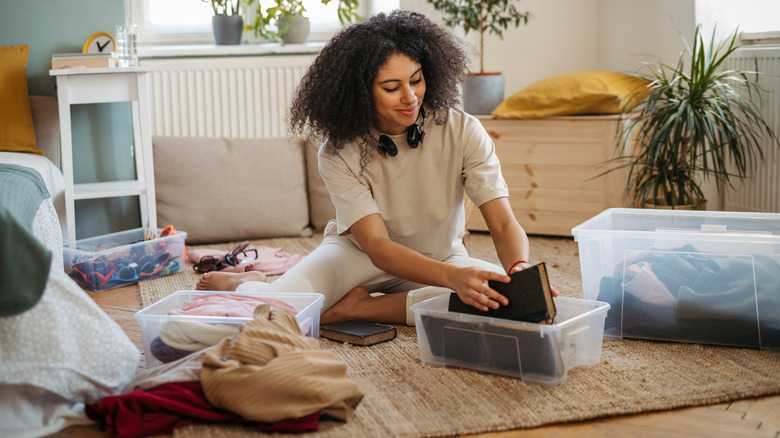
Margo's first tip for successfully decluttering your home is to get rid of one item a day using what she calls the "spot and toss" method. As you go about your day, if you see something you no longer want, need, or love, simply pitch it. Toss it in the trash if it's your dried out mascara or donate it if it's an old book you know you'll never read again. The goal is not to overthink it. This method relies on quick, instinctive decisions, helping you bypass guilt tied to the sunk cost fallacy, which is the tendency to hold onto things because of the money you spent on them. To ensure you keep the momentum going, keep a small cardboard box in each room to capture those items, allowing you to quickly toss them inside. At the end of the month, pack up those boxes and donate whatever is usable.
If the "spot and toss" approach doesn't resonate with you, there are other snappy methods you can try. For instance, one option is the "dot and ditch" method, which uses red dot stickers to declutter everything in your home. Simply place a sticker on things you feel unsure about and give yourself a deadline — such as a month — to use them. If you reach for the item within that timeframe, you can remove the dot. If not, it goes straight into the donation box.
Stop shopping in order to stay on track with decluttering
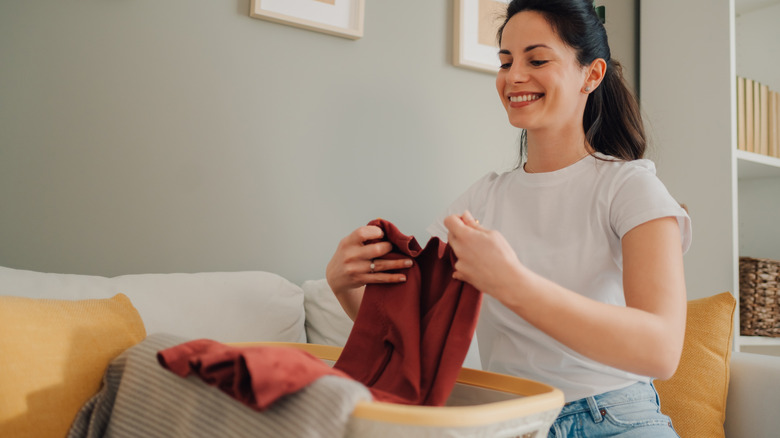
Another tip from the decluttering pro is to work through one room at a time, devoting just 10 to 15 minutes a session once or twice a week. This tip helps you declutter even when you're overwhelmed by a mess because it shrinks the task into manageable chunks. You don't need to tackle the entire room — just focus on a single messy dresser or one cluttered drawer. When your time is up, you're done. To build momentum, start with a space that needs minimal decluttering, such as a guest bedroom or hallway closet. These easier areas offer quick wins that can motivate you to move onto more challenging rooms.
However, in order for this micro-decluttering tip to work, you also need to follow her advice and pause shopping for 30 to 60 days. "One of the worst things you can do when you start to declutter is to start bringing more and more things in," said the decluttering coach. As you make tough decisions about what to let go of, adding new purchases only creates more items to manage and can undo your progress. If you have a hard time going on a spending freeze, download an app to help you, such as Euna. It tracks how long you've gone without making a purchase, lets you keep a list of items you want to buy eventually, and even helps you explore your emotions behind impulse purchases that are tempting you.