

11 Flowers To Start Growing In January For A Brimming Spring Garden
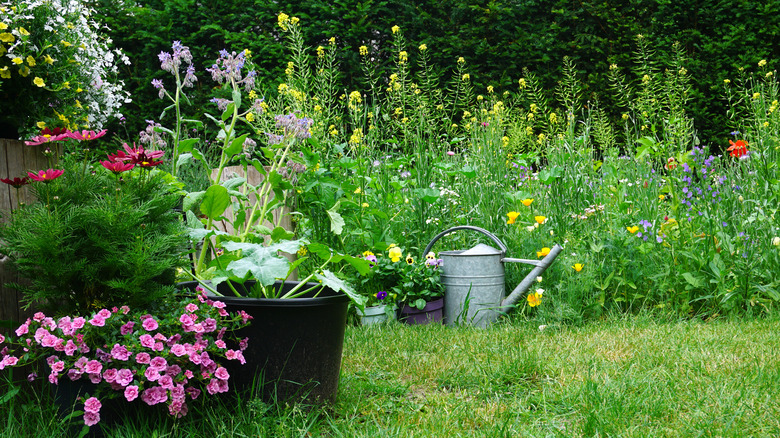
Believe it or not, January is a great time to plan for the growing seasons. While it's considered the dead of winter for most of the United States, some gardening tasks are still recommended around this time. It's an excellent opportunity to get a jump on plant cultivation, for one. There are a slew of plants you should start sowing in late winter. Planting flowers in January is particularly appealing because of the chance to lay the groundwork for early blooms. Columbine, spider flowers, and forget-me-nots are just a few flowers you should consider planting during this time.
It may seem counterintuitive to plant anything when the earth is still so barren from the cold winter weather, but it's actually a great time to either start seeds indoor or direct sow in ground. In fact, some plants actually require wet, cold weather to germinate. That's why savvy gardeners are already setting up seed sowing stations and direct sowing in January. While the majority of gardeners will have a bare plot come springtime, you can enjoy a yard filled with gorgeous spring flowers.
So, what will you need to sow flower seeds in January? If you have a sunny window all you'll need is soil, a seed tray, and flower seeds to sow seeds inside. You might want to consider growing lights and a heated propagator if you have less light to work with. To direct sow, all you need are your seeds.
Jasmine tobacco
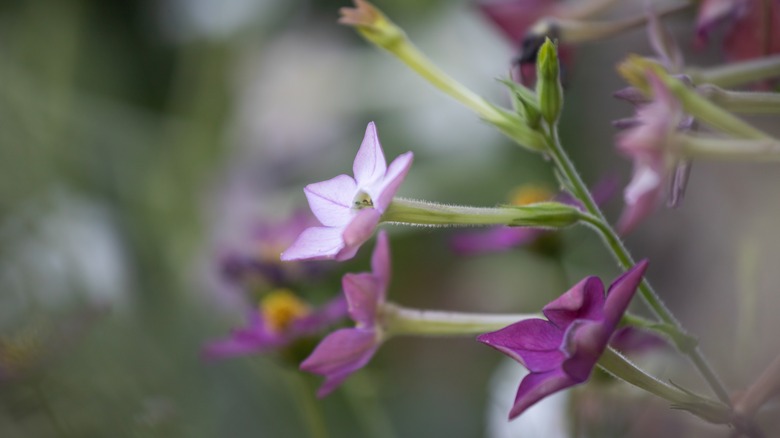
Jasmine tobacco (Nicotiana alata) features a fragrant, showy bloom that only opens at night to attract nocturnal pollinators. They're an excellent candidate for a moon garden. Planting them early gives you more time to enjoy their tube-like blooms. This flower is typically treated as an annual, but it's also hardy in zones 10 to 11. Sow jasmine tobacco seeds in a tray filled with seed starting mix uncovered so they can receive plenty of light. Place in a shallow tray of water to bottom-water the seeds. Transplant once the danger of frost has passed.
Poppies
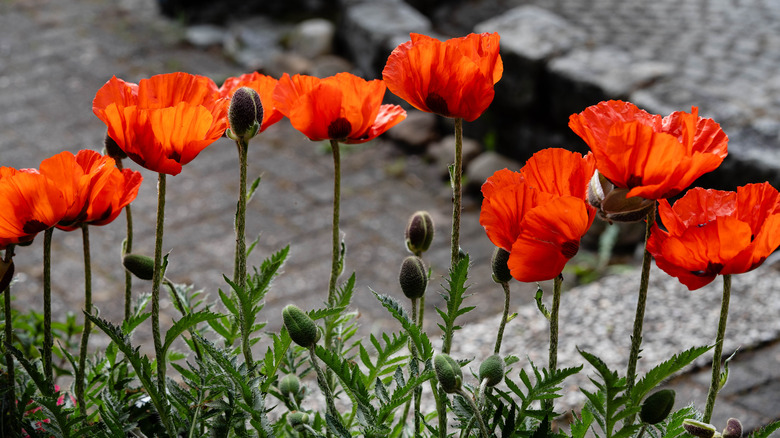
Common poppies (Papaver rhoeas) are the classic red and black blooms found peppering the countryside throughout North America. Poppies require something called a cold stratification period. When planted outside, the seeds will naturally experience this temperature change. When sowing your seeds indoors, you'll need to mimic this by placing them in the refrigerator for 14 to 30 days – all the more reason to start this process in January. Once this is complete, sprinkle your seeds directly on top of seed starting soil. Keep the soil moist by spritzing it lightly. Transplant once they reach 6 inches in height.
Tickseed
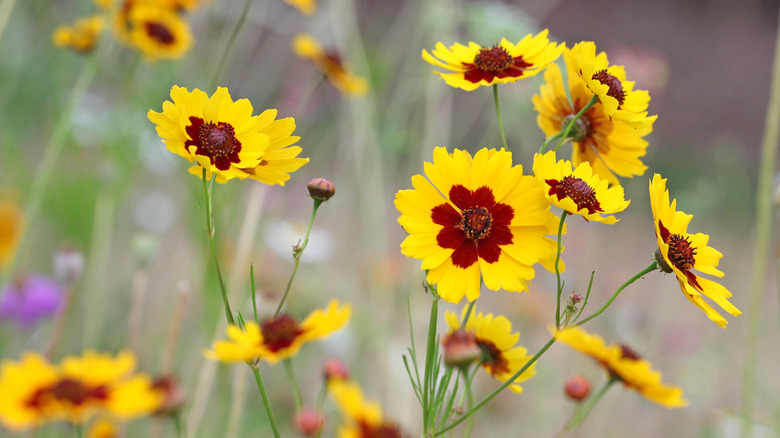
Tickseeds (Coreopsis spp.) are a perennial flower with a long blooming season. Varieties such as Coreopsis auriculata (lobed tickseed) bloom as early as spring. They are considered hardy in zones 3 to 9 but are also treated as annuals in some cases. These daisy-like flowers are low-maintenance and easy to grow from seed. To sow spring-blooming tickseed, use a container with a transparent lid to create a mini greenhouse. Create a drainage hold and fill the container with soil. Sprinkle seeds on the soil and place outside. You can transplant your seedlings when temperatures reach 65 to 70 degrees Fahrenheit.
Spider flower
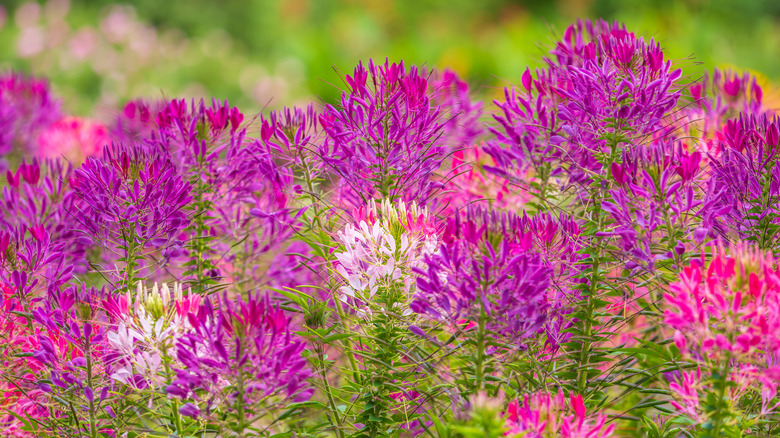
If you're a fan of unique blooms, consider sowing spider flower (Cleome hassleriana) seeds in January. This annual features a cluster of petals and the long, wispy stamens which inspired its common name. Spider flowers grow easily and generously produce seed pods at the end of their growing season. Since they tend to naturally self-seed, you'll need to mimic the natural overwintering process. Leave your seeds in the refrigerator for 7 to 14 days to undergo cold stratification. Gently press the prepared seeds into soil and leave them uncovered to germinate. Plant outside once the soil warms.
Larkspur
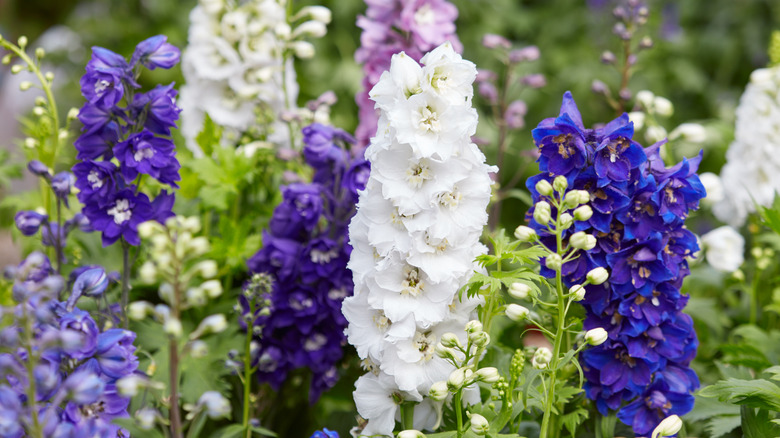
Larkspur (Consolida ajacis) is a generously blooming flower popular for adding vertical interest to cottage-style gardens. These resilient plants grow perennially from zones 2 to 11. Larkspurs are one of those plants that actually benefit from a period of cold, wet weather for germination. When you sow seeds in January, they tend to develop a stronger root system and grow more effectively in the spring and summer. To give your larkspur the best chance, you can create a mini greenhouse out of a plastic container with a transparent lid. Place outside and transplant after the last frost.
Daylilies
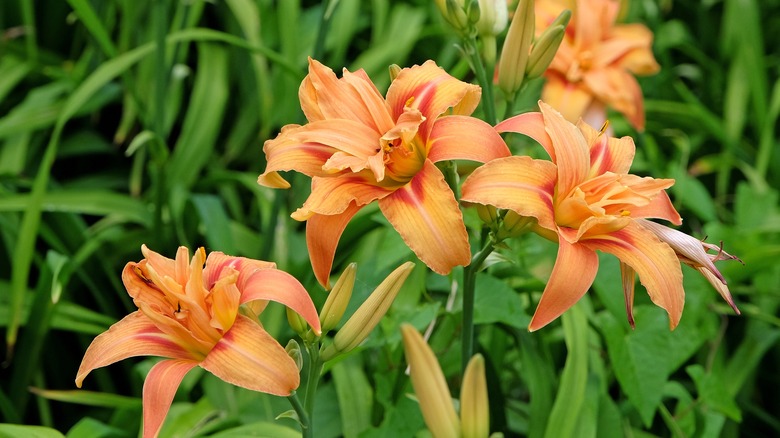
Daylilies (Hemerocallis spp.) produce a stunning bloom perfect for cut flower gardens. While these plants are considered hardy in zones 3 to 9, their bulbs can be lifted and stored for winter. However, January serves as a great time to lift and divide daylilies for propagation if the ground isn't frozen. Simply dig up your bulbs, gently divide, and plant them in the ground. You can also plant new bulbs you purchased at this time. Just remember to avoid doing so if you're in a region where the ground is still water logged or too frozen to work.
Columbines
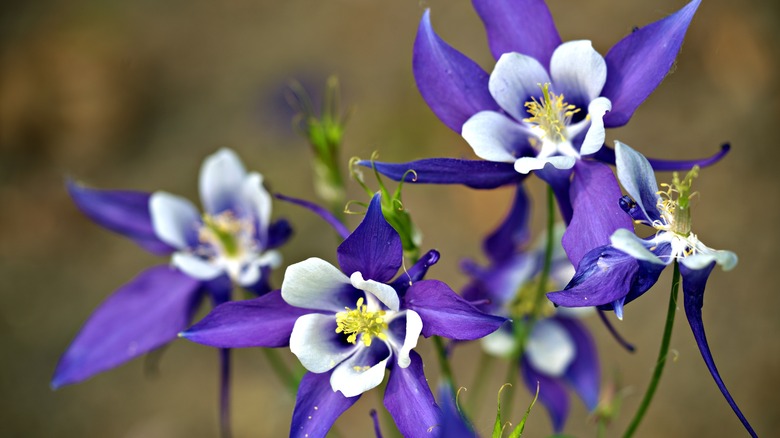
Columbines (Aquilegia spp.) are a beloved mountain wildflower featuring a bell-like bloom framed by star-shaped petals. This perennial flower is hardy in zones 3 to 9. It's a great candidate for January planting since it requires cold stratification for 3 to 4 weeks in a cool, moist environment. After your seeds are stratified, you can press them into some soil and place your containers somewhere they will remain at 65 to 85 degrees. You can transplant your columbines outside after the danger of frost has passed.
Calendula
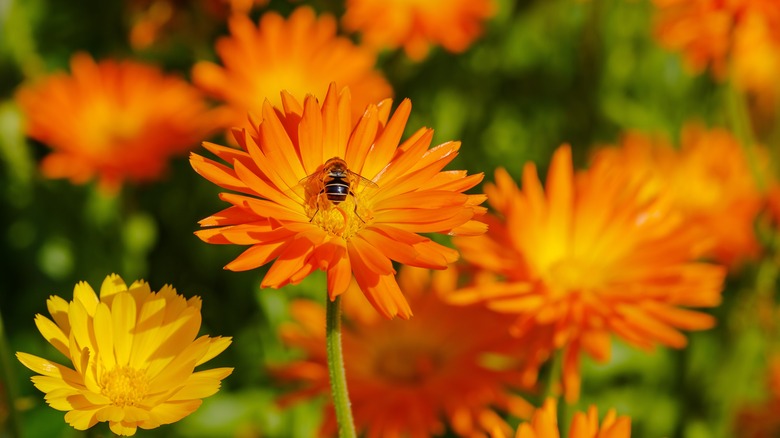
Praised for their attractive, orange-yellow blooms as well as their medicinal and culinary properties, calendula (Calendula officinalis) are popular with home gardeners. This annual herb is considered easy to grow and can bloom continuously from spring to summer if you diligently deadhead spent flowers. While these plants are easy to sow directly in your garden, if you want to enjoy their blooms earlier you can start your seeds indoors in January. It takes two months for blooms to appear so you'll be well ahead of schedule if you start earlier.
Forget-me-nots
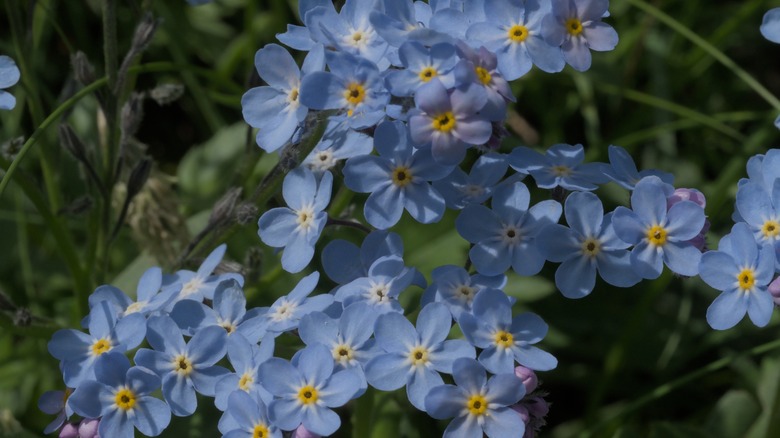
Forget-me-nots (Myosotis sylvatica) are an herbaceous perennial featuring delicate, blue-purple blooms. They're hardy in zones 3 to 8 but are still often treated as annuals. Start your seeds indoors by covering them with seed starting mix. Keep the soil moist. You should notice seedlings in a week or two. Once the weather is consistently warm, take your seedlings outside to harden off and transplant once they have two to three true leaves. They can be aggressive self-sowers so be sure to deadhead before blooms go to seed to control their spread. Keep in mind, forget-me-nots are considered invasive in some regions.
Pansies
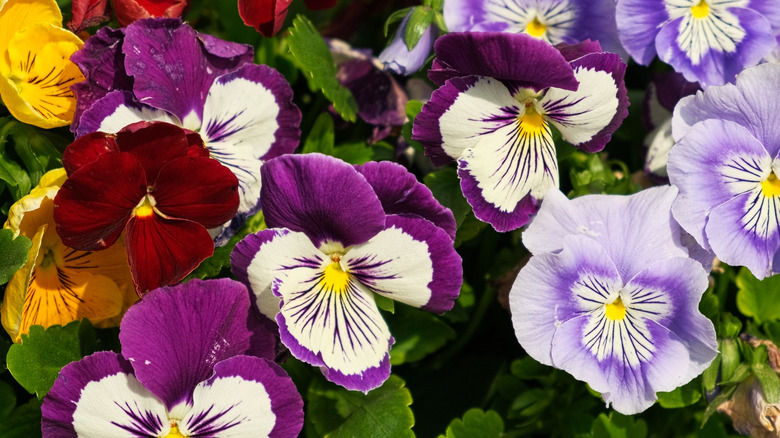
Pansies (Viola x wittrockiana) are a resilient, heart-shaped bloom popular in many gardens. They are often treated as annuals but they actually grow perennially from zones 3 to 8. If you don't already have pansies in your garden, you should consider starting them indoors in January so they're ready to plant outside in early spring. These seeds prefer complete darkness, so make sure you cover them completely with soil. You might even want to cover it with something like cardboard until you notice the first sign of sprouts. Transplant your pansies outside as soon as the soil is workable.
Daffodils
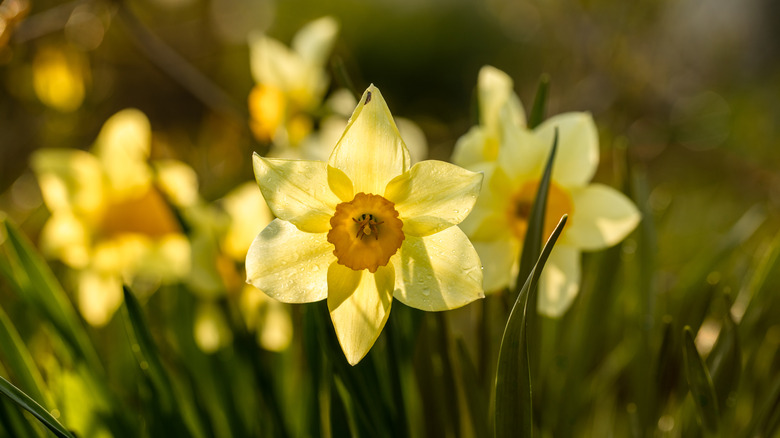
Synonymous with the start of spring, daffodils (Narcissus spp.) feature a vibrant, trumpet-shaped bloom. They grow perennially in zones 3 to 9, coming back year after year to mark the start of the growing season. January is an excellent time to plant daffodil bulbs to enjoy for the coming spring. The cold temperatures help reduce the risk of fungal diseases often brought on by wet, tepid soil in the fall. Be sure to plant your bulb down two or three times as deep as its height. For instance, a 2 inch bulb should be buried 6 inches deep.